

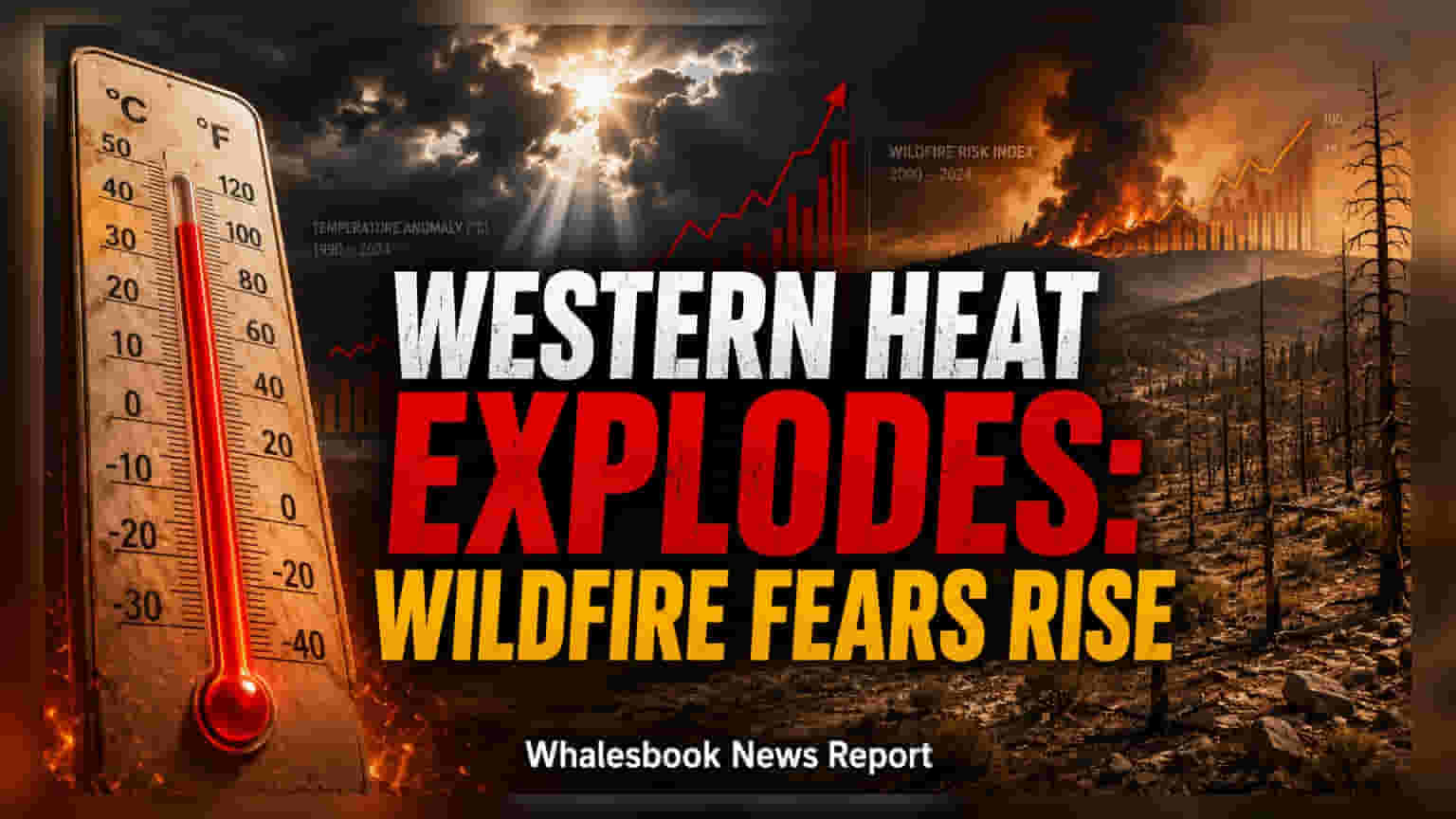
A severe heat dome across the Western United States is driving temperatures toward record highs, heightening wildfire risks from Arizona to Montana. Washington state has declared a state of emergency as officials battle multiple fires and ban outdoor burning. The event is fueled by extreme weather patterns, including one of the strongest recorded El Niño events.
A significant heat dome is currently affecting the Western United States, pushing temperatures to dangerous levels and creating high-risk conditions for wildfires. The atmospheric phenomenon, caused by a persistent high-pressure ridge, is trapping extreme heat across a vast region stretching from Arizona to Montana. This weather pattern prevents cooler air from circulating, leading to prolonged exposure to intense heat for both residents and infrastructure.
Impact on Regional Infrastructure and Resources
Major cities including Phoenix and Las Vegas are experiencing temperatures near or exceeding 115°F (46°C). In California, El Centro is tracking potential record highs of 118°F (48°C), while parts of Montana face temperatures up to 104°F (40°C). The severity of this heat wave is compounded by exceptionally high overnight temperatures, which prevent essential cooling periods. This strain has forced community cooling centers and shelters to extend operations and increase capacity to manage the surge in daily visitors seeking relief.
Escalating Wildfire Risks and Emergency Measures
Beyond immediate health concerns, the combination of extreme heat, low humidity, and dry vegetation has triggered widespread wildfire alerts. The US Forest Service has issued warnings for Southern California and the Pacific Northwest, where severe drought conditions are accelerating fire spread. In Washington, Governor Bob Ferguson has declared a state of emergency to mobilize resources for fire suppression efforts. Agricultural and outdoor burning has been strictly prohibited across the state through September to minimize new ignition sources. Currently, Eastern Washington is managing over 808 square kilometers of active fire damage across 12 major sites, a situation mirrored in Eastern Oregon.
Climate and Meteorological Context
Scientific consensus attributes the rising frequency and intensity of such extreme weather events to long-term climatic shifts. Additionally, the current weather cycle is significantly influenced by a powerful El Niño—a recurring phenomenon characterized by warmer-than-average sea surface temperatures in the Pacific. Meteorological data suggests this year's El Niño is among the strongest on record, acting as a primary driver for the elevated temperatures. For residents and businesses in these regions, the primary monitorable will be the duration of the heat dome and its impact on water resources, power grid stability, and containment efforts for active wildfire zones as emergency teams continue to manage the unfolding crisis.