

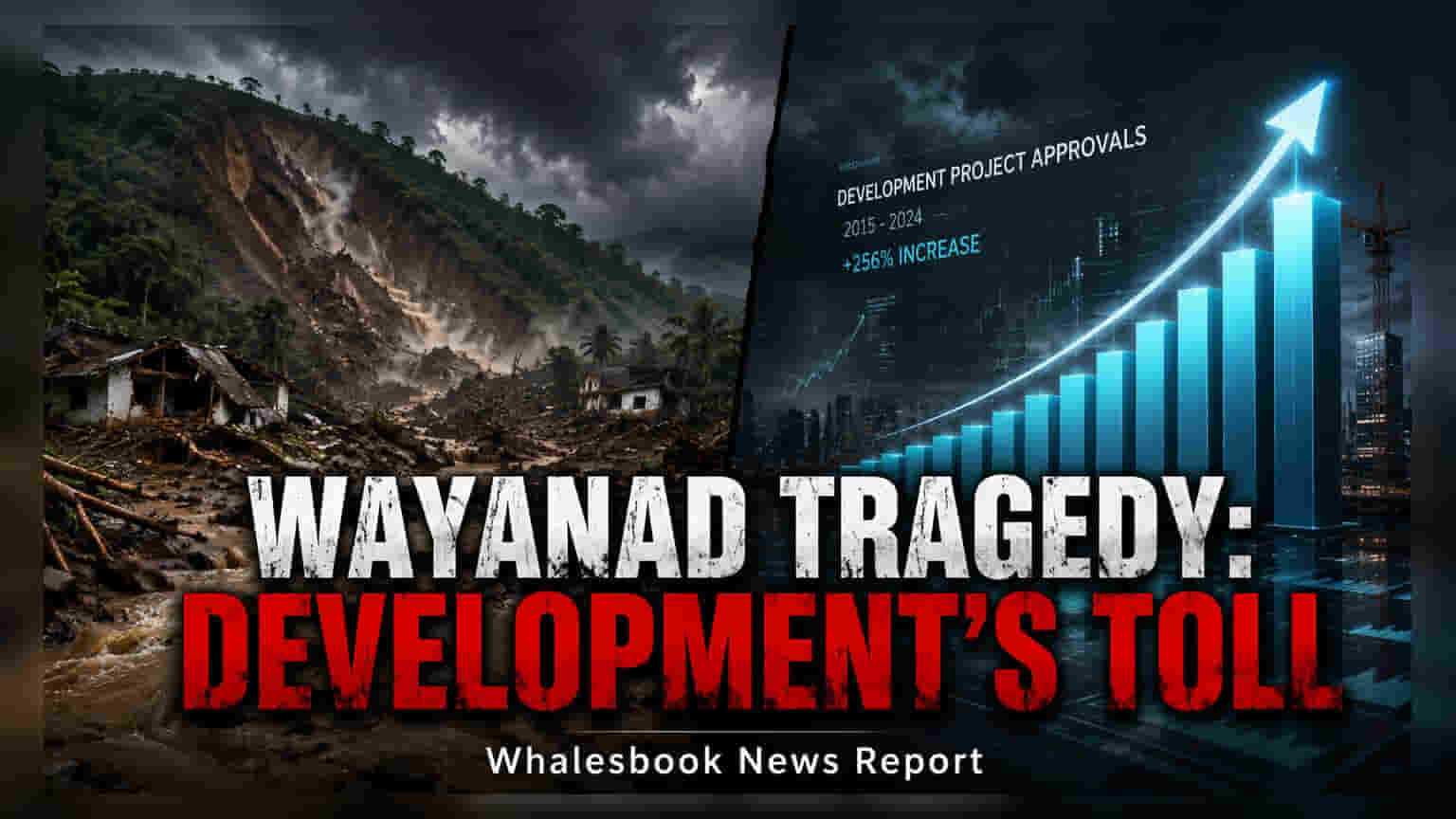
The recent landslide in Wayanad has intensified concerns regarding the impact of infrastructure and quarrying projects in the ecologically sensitive Western Ghats. This disaster, occurring amidst recurring climate-related events, highlights the tension between regional development goals and environmental safety standards. Investors and policymakers are now re-evaluating the sustainability and regulatory risks associated with large-scale projects in such vulnerable zones.
The tragic landslide in Wayanad on July 7 has brought the environmental and regulatory challenges of the Western Ghats into sharp focus. For stakeholders and investors, this event serves as a stark reminder of how geography and ecological sensitivity can fundamentally alter the feasibility and risk profile of infrastructure development in the region. The disaster has prompted fresh scrutiny of ongoing and future projects, including road widening, tunneling, and commercial quarrying, which are often essential for regional connectivity and economic growth.
Regulatory Scrutiny and Past Warnings
The Western Ghats, a UNESCO World Heritage site, have long been the subject of intense debate regarding the limits of human intervention. Expert committees, such as the Madhav Gadgil-led Western Ghats Ecology Expert Panel and the subsequent K. Kasturirangan committee, have historically provided frameworks for balancing development with environmental preservation. The Gadgil report, in particular, emphasized stringent restrictions on mining and major construction in sensitive zones. However, the partial implementation of these recommendations continues to be a point of friction. The current situation suggests that future projects may face more rigorous environmental impact assessments, potentially leading to higher compliance costs, stricter scrutiny from regulatory bodies, or even the reassessment of project timelines for developers operating in these high-risk areas.
Impact on Regional Infrastructure
Infrastructure development in Kerala, particularly in hilly terrains, is increasingly prone to operational delays and cost overruns due to extreme weather patterns. As rainfall intensity increases, the risk of project disruption grows, impacting both state-led and private construction initiatives. Projects such as tunnel construction and hill-cutting, while vital for boosting tourism and transportation in areas like Munnar and Wayanad, are now being viewed through a lens of increased long-term liability. The cost of environmental mitigation, waste management, and slope stabilization is likely to become a more significant component of future project budgets.
Investors monitoring this sector should observe how these ecological concerns influence state policies. The transition toward more sustainable construction methodologies and the possible imposition of stricter carrying-capacity limits on tourism and infrastructure could reshape the investment landscape in the region. The primary monitorable for the market will be any shift in state-level regulatory approvals for new projects and how existing developers manage the increased pressure to meet stringent, and potentially evolving, safety and environmental standards. The ability of companies to execute projects while adhering to these necessary ecological guardrails will be critical to their long-term financial viability in this sensitive geography.