

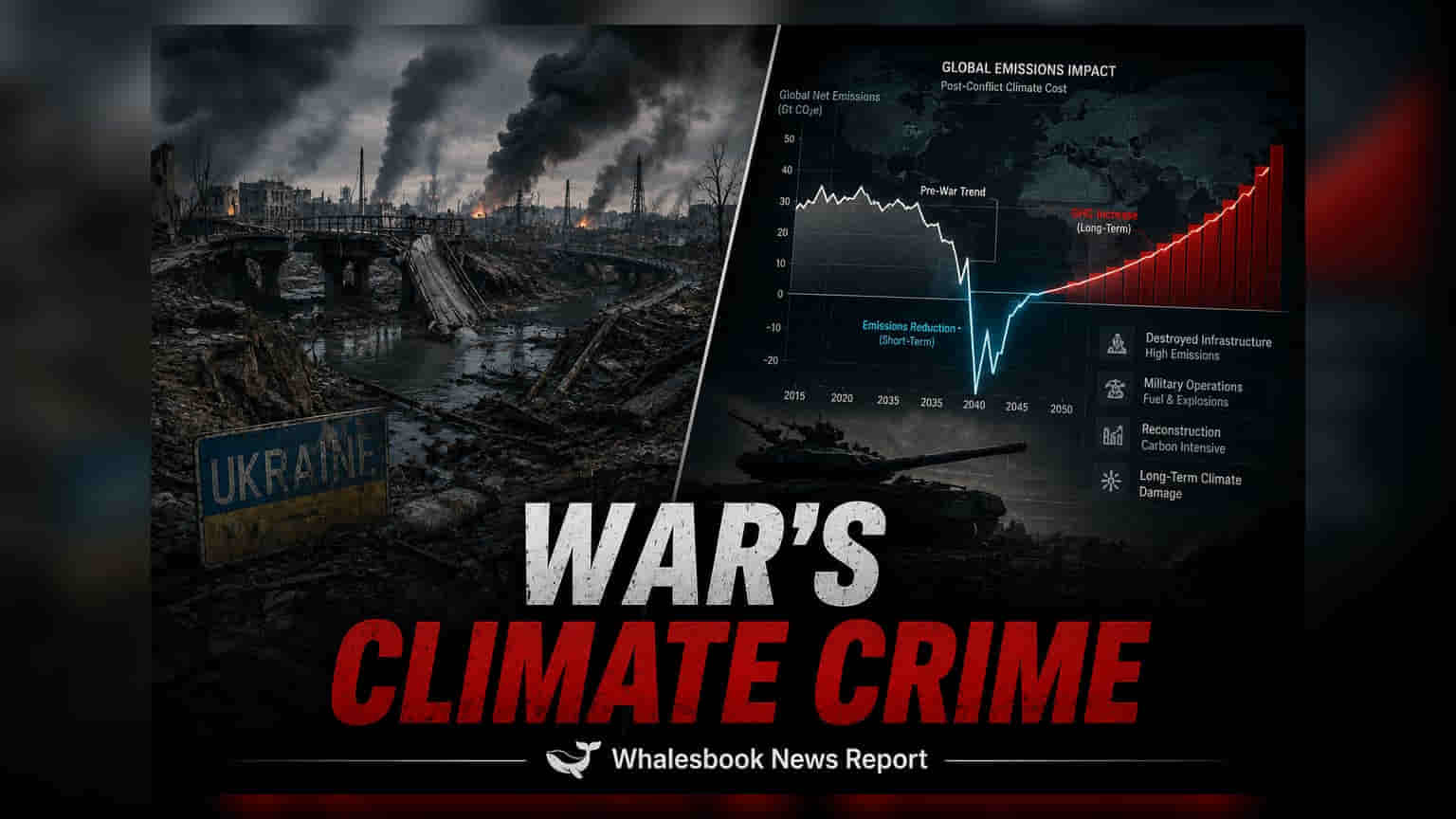
A new report estimates that the war in Ukraine has generated 311 million tonnes of greenhouse gas emissions. The study documents over 11,000 instances of environmental harm, highlighting the massive ecological impact of modern warfare. This data underscores growing concerns regarding transborder environmental damage and the current lack of international legal frameworks to hold perpetrators accountable for ecocide.
The conflict in Ukraine has caused severe environmental degradation, with recent data highlighting an unprecedented ecological toll. According to a report by the Initiative of Greenhouse Gas Accounting of War, the ongoing hostilities have resulted in approximately 311 million tonnes of additional greenhouse gas emissions. This figure, while difficult to calculate precisely due to the active nature of the conflict, marks what researchers describe as one of the most significant environmental losses in modern European history.
Documenting Environmental Damage and Liability
Ukrainian government officials have reported at least 11,000 documented instances of environmental harm directly linked to the conflict. These damages range from large-scale industrial pollution and forest fires to the destruction of critical infrastructure that releases hazardous materials into the air, soil, and water. While these numbers are significant, experts point to a persistent challenge in international law: the lack of a clear, universally accepted definition of ecocide. This regulatory gap makes it difficult to hold parties accountable for the long-term environmental consequences of military activities.
Transborder Repercussions and Future Risks
The environmental consequences of the war extend well beyond Ukraine’s borders. Scientists and environmental policy experts are increasingly concerned about transborder impacts, as pollutants and climate-altering gases travel across international boundaries. The situation has reignited debates about the weaponization of ecology in warfare, a practice with historical precedents, such as the use of chemical defoliants during the Vietnam War. For international observers and policymakers, a key monitorable remains the potential for future international treaties to address environmental accountability in conflict zones. Investors in sectors sensitive to environmental regulations and global carbon pricing may track how these findings influence future discussions on carbon liability and international environmental standards, especially as global focus shifts toward stricter ESG reporting and climate damage accountability.