

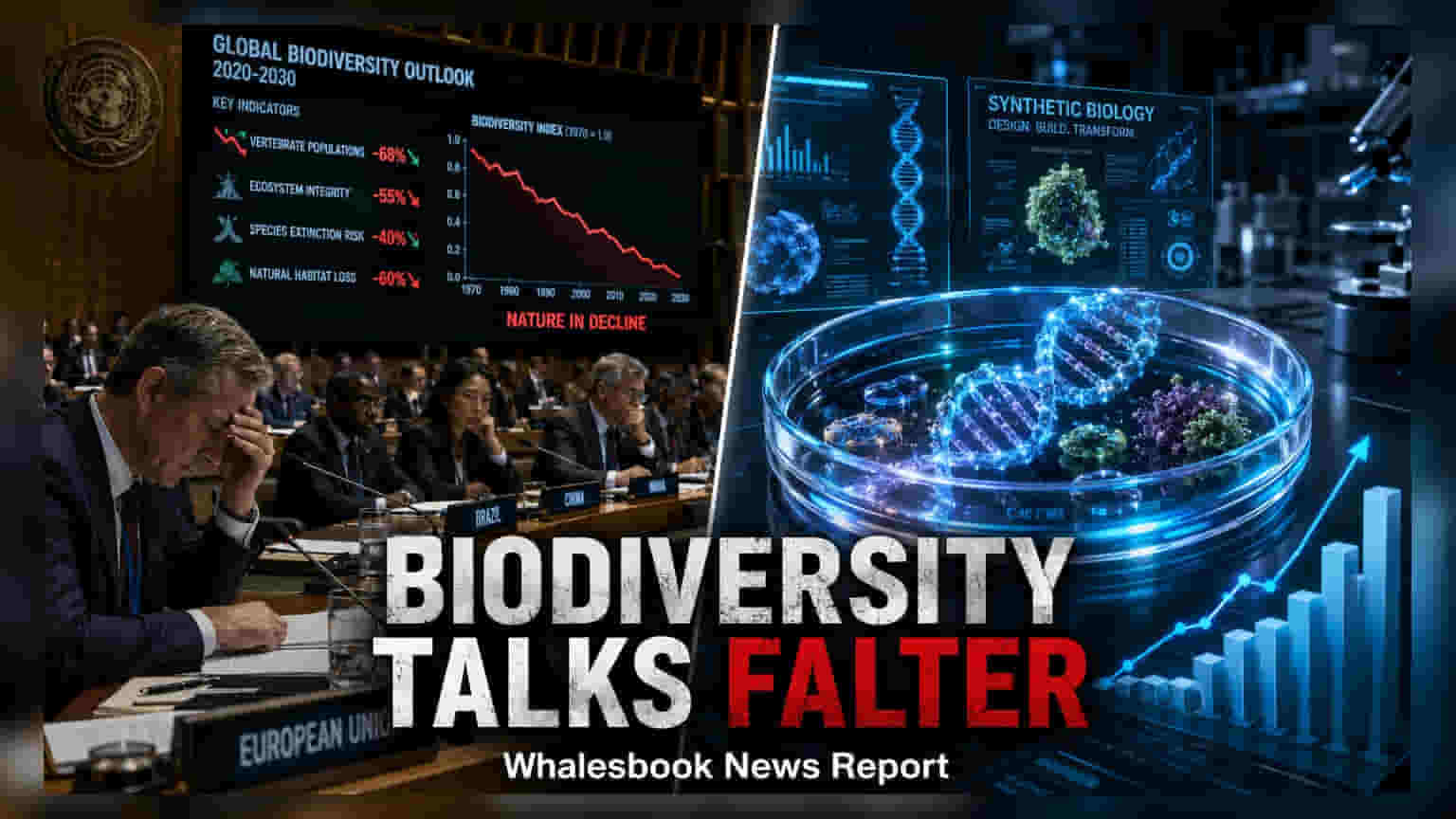
The UN's SBSTTA 28 meeting in Nairobi concluded with progress on global biodiversity goals but failed to resolve disputes over synthetic biology regulation. Disagreements center on equitable technology sharing and ecological safety, setting a tense stage for the upcoming COP17 summit.
The Subsidiary Body on Scientific, Technical and Technological Advice (SBSTTA 28) concluded its session in Nairobi on August 1, 2026, leaving major questions unresolved regarding the governance of synthetic biology. This meeting served as a vital preparatory step for the upcoming COP17 biodiversity summit scheduled to take place in Yerevan, Armenia. While delegates successfully navigated several technical aspects of the Kunming-Montreal Global Biodiversity Framework, the regulation of genetic engineering technologies remained a significant point of friction.
The Kunming-Montreal framework, adopted in 2022, serves as the global blueprint for nature conservation with 23 specific targets set for 2030. However, recent data from 129 countries indicates that global efforts are currently behind schedule. Experts identified gaps in international funding and limited technology transfers as the primary obstacles preventing developing nations from meeting these conservation targets.
Synthetic Biology Governance Challenges
The central debate at the Nairobi meeting involved the rapid advancement of synthetic biology, which involves creating new biological parts or modified organisms. Supporters highlight the field's potential for sustainable manufacturing and ecological restoration. In contrast, opponents raised concerns regarding the potential for irreversible environmental damage and the current lack of a global regulatory framework to monitor these outcomes.
A major hurdle for negotiations was the issue of equitable benefit-sharing. Many developing nations expressed concerns that current patent landscapes and research capabilities are concentrated within a small group of affluent countries and multinational corporations. They have called for mandatory mechanisms to ensure fair access to these scientific advancements, arguing that they should not be disproportionately exposed to environmental risks without gaining the associated technological benefits.
Next Steps Before COP17
Negotiations on a thematic action plan for synthetic biology ended without a consensus on whether to establish new specialized expert bodies to oversee the technology. These unresolved documents and recommendations are now being forwarded to the Subsidiary Body on Implementation (SBI-7), which is currently meeting in Nairobi. The discussions there will be crucial in shaping the formal agenda for COP17. Investors and stakeholders in sectors like biotechnology, pharmaceuticals, and industrial agriculture may monitor these developments, as any future global regulations could significantly alter licensing, research, and patent requirements for genetic engineering technologies worldwide.