

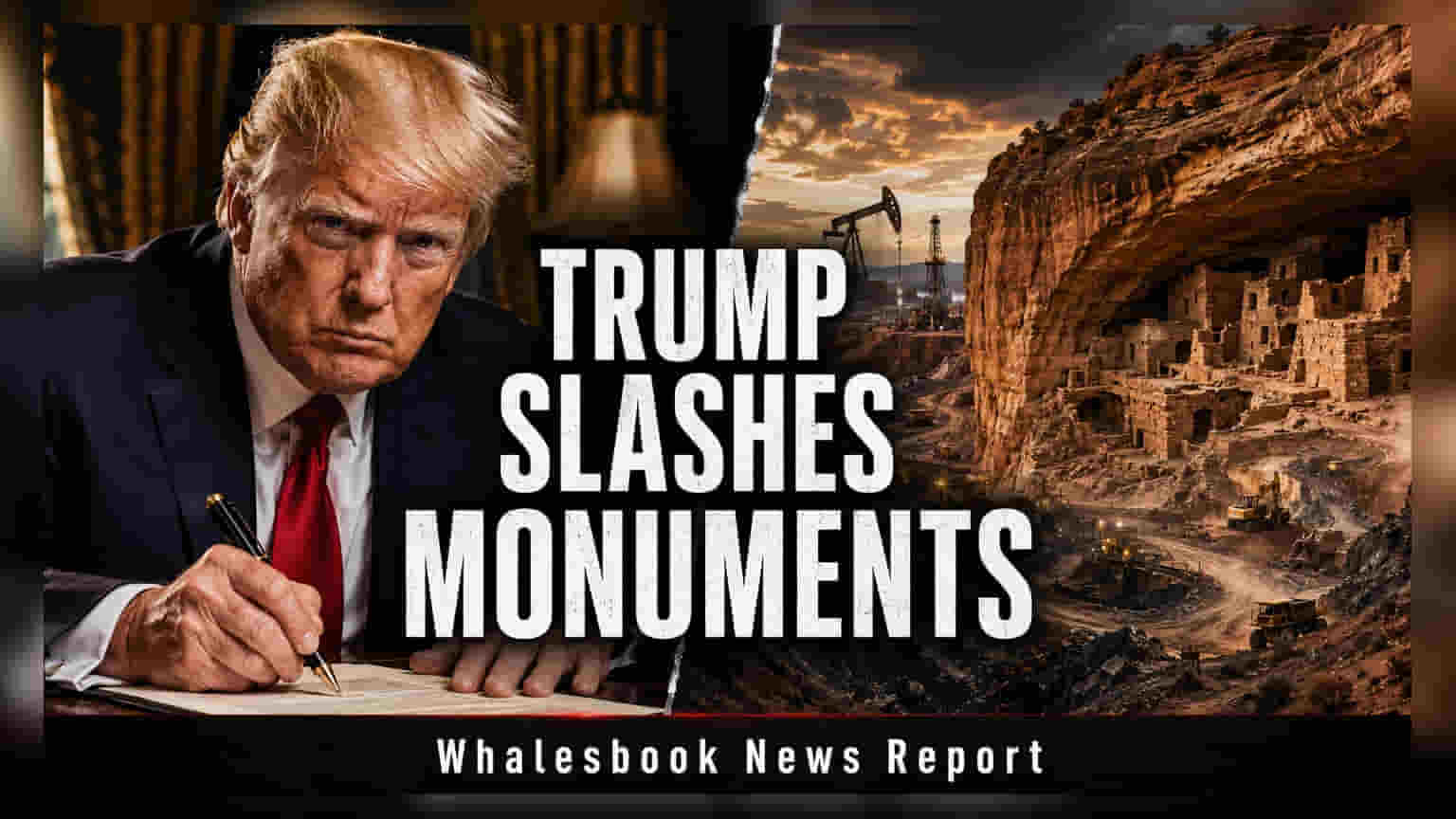
President Donald Trump has significantly reduced the size of Utah's Bears Ears and Grand Staircase-Escalante national monuments. This change removes federal protections from millions of acres, potentially allowing for new mining and energy extraction activities on lands previously restricted. The move has triggered immediate legal and political challenges regarding federal land management and environmental policy.
President Donald Trump has officially reduced the boundaries of two major national monuments in Utah: Bears Ears and Grand Staircase-Escalante. By rolling back these designations, the administration aims to lift federal restrictions that currently prevent industrial activities such as coal and uranium mining on these sites. The decision affects over 3.2 million acres of land that were previously protected under the Antiquities Act.
Industrial Impact on Protected Lands
The core of this policy shift is the effort to expand domestic resource extraction. For years, the federal government had barred new drilling and mining projects in these areas to preserve historical, cultural, and archaeological sites. Proponents of the reduction argue that these protections were too restrictive and hindered access to valuable mineral reserves. By shrinking the monuments, the administration seeks to facilitate commercial development on federal territory, which may interest companies in the energy and mining sectors that have previously been unable to operate in these regions.
Tribal and Environmental Opposition
The move faces significant opposition from several Native American tribes, including the Navajo, Hopi, Zuni, and Ute. Bears Ears, in particular, was established following a historic request from a coalition of these tribes to protect ancestral lands they consider sacred. Critics, including environmental advocacy groups, argue that the reduction prioritizes short-term economic gains from mining over the long-term preservation of historical sites and natural ecosystems. The potential for resource extraction has also sparked concerns about land degradation and the loss of cultural heritage.
Regulatory and Legal Challenges
The authority of a president to decrease the size of national monuments previously established by predecessors is a complex legal issue. While the 1906 Antiquities Act grants presidents the power to designate these areas, it does not explicitly define the limits of a president’s authority to revoke or reduce them. Because of this ambiguity, the decision is expected to lead to prolonged litigation in the United States court system. Investors following the mining and energy sectors may monitor these court proceedings closely, as the ultimate availability of these lands for development will depend on the judicial interpretation of presidential powers under the Antiquities Act.
Beyond legal battles, the policy shift highlights a broader tension between federal land management and state-level control in the Western United States. The next major update for stakeholders will be the status of legal injunctions that could freeze new mining permits while the case moves through the courts, as well as any subsequent federal announcements regarding the opening of specific tracts for leasing.