

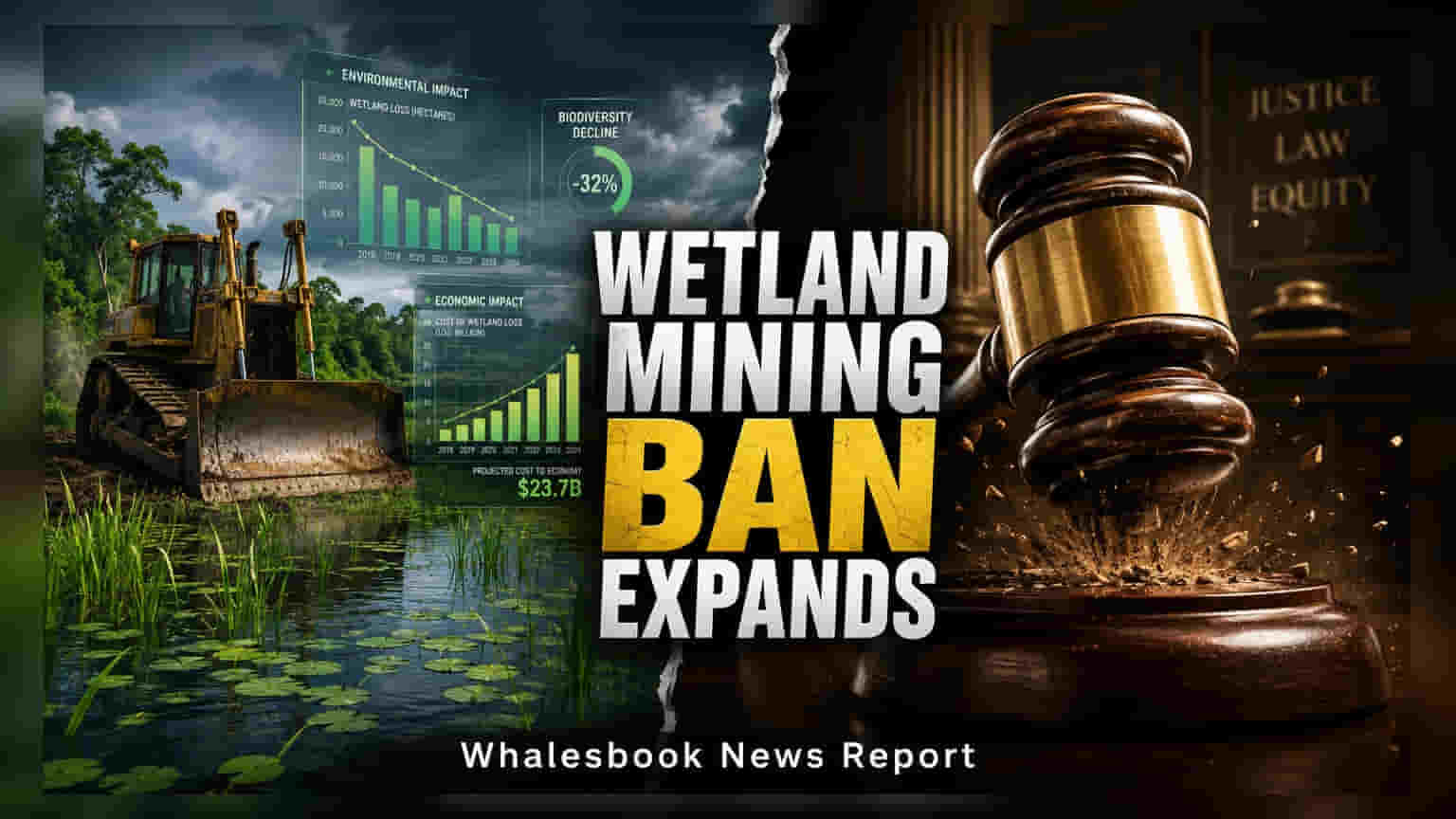
The Supreme Court has mandated a 10-kilometer mining buffer zone around all wetland conservation reserves nationwide. This ruling aims to ensure uniform environmental protection across India, impacting mining operations located near such areas. Investors should track future directives from the National Board of Wildlife or the Ministry of Environment to assess potential operational risks for companies in the mining and infrastructure sectors.
The Supreme Court on Tuesday clarified that a 10-kilometer buffer zone prohibiting mining activities, originally applied to the Asan wetland conservation reserve in Uttarakhand, will now extend to all similar protected areas across India. The bench, led by Chief Justice of India Surya Kant, emphasized that the objective is to maintain national parity in wetland conservation efforts.
Impact on Regional Mining Projects
The court’s ruling emerged from a legal dispute involving the State of Himachal Pradesh, which had questioned whether the restrictions applied within its borders. While the state argued that wetland reserves differ from national parks and sanctuaries—and therefore should not necessarily require external buffer zones—the apex court held that the same environmental standards should govern the entire Himalayan terrain. Justice Joymalya Bagchi noted that the regulatory requirements applied to Asan will now serve as a governing standard for community and wetland conservation reserves nationwide.
This decision carries implications for mining companies and developers operating near protected wetlands. If an expert committee determines that a reserve exists within a specific state's jurisdiction, mining permits in the surrounding 10-kilometer area will likely face strict scrutiny or prohibition. This could restrict access to mineral deposits in previously permitted zones or delay ongoing projects that fall within these newly designated buffer regions.
Factual Verification and Next Steps
To manage the implementation, the Supreme Court has directed the standing committee of the National Board of Wildlife and the Ministry of Environment, Forests and Climate Change to conduct factual assessments. Authorities will verify the exact locations of these wetland reserves to determine where the 10-kilometer mining ban must be strictly enforced.
For investors, the primary monitorable is the upcoming report from the expert committee. Companies with mining leases or infrastructure projects in proximity to wetland conservation areas may face heightened regulatory hurdles. Investors should track specific company disclosures regarding project site locations and any potential impact on mining output or capital spending plans as the government implements this environmental policy. If the committee confirms a wetland reserve's location within a mining area, companies may need to secure alternative sites or face operational suspensions.