

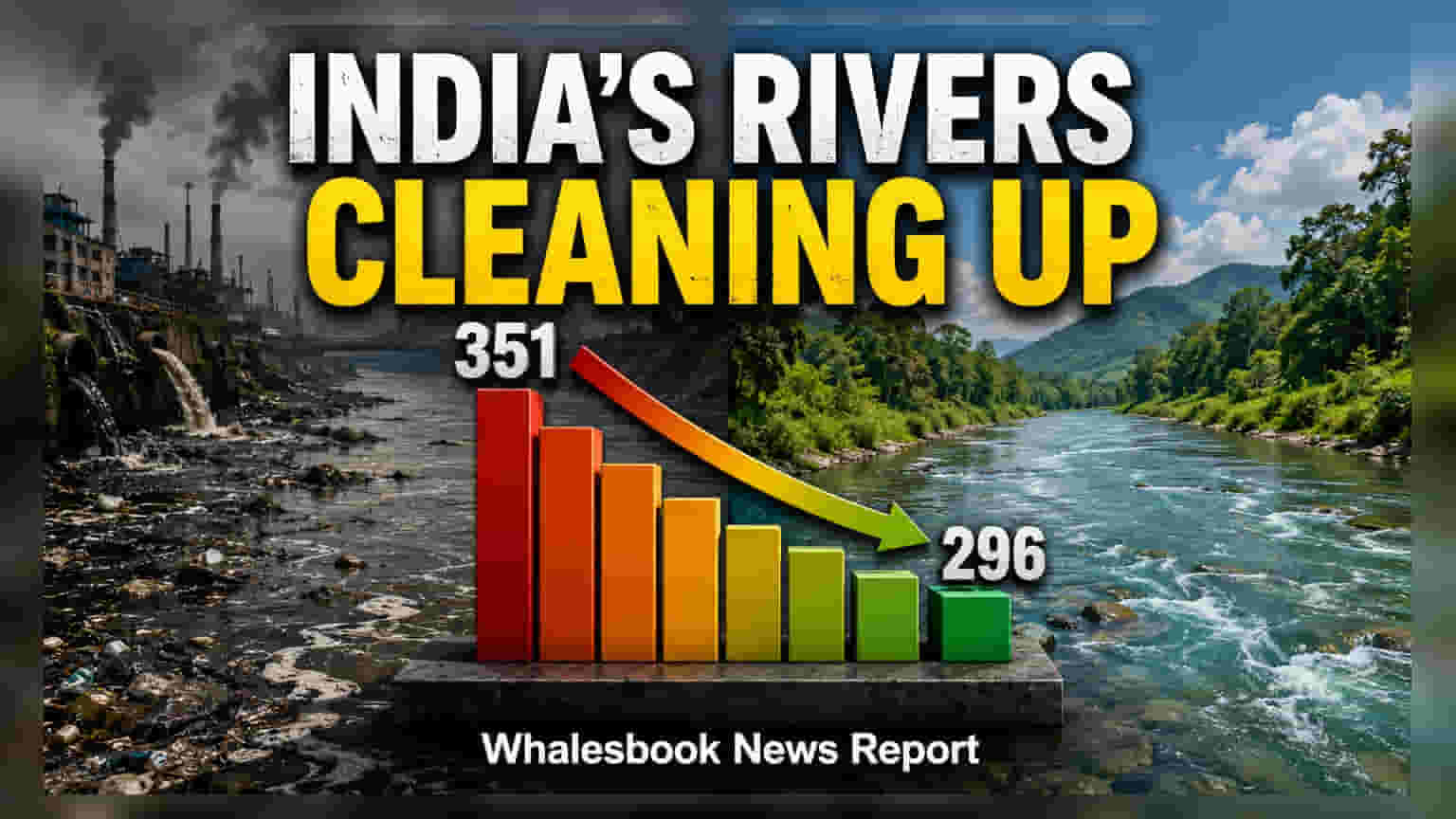
India's polluted river stretches have fallen to 296 in 2025, down from 351 in 2018. The reduction, measured by biochemical oxygen demand, highlights the impact of government-led river cleaning initiatives. However, persistent issues with untreated sewage and industrial waste remain key challenges for environmental infrastructure companies.
Detailed Coverage
The number of polluted river stretches across India has seen a steady decline, falling to 296 in 2025 from the 351 stretches reported in 2018. According to the latest assessment by the Central Pollution Control Board, this progress was further supported by a reduction from 311 stretches recorded in 2022. The government confirmed these figures in the Rajya Sabha, using biochemical oxygen demand—a measure of organic pollution—as the primary indicator for tracking river health.
Investment in Pollution Abatement
The central government continues to channel significant capital into water quality infrastructure. To date, Rs 11,332 crore has been spent specifically on the Namami Gange program, alongside Rs 1,888 crore allocated to the National River Conservation Plan. These funds are used for the development of sewage treatment plants and the implementation of pollution abatement infrastructure. Monitoring remains extensive, with water quality currently tracked through a network of 2,265 stations across the country under the National Water Quality Monitoring Programme.
Persistent Challenges for the Sector
While the reduction in polluted stretches suggests positive progress, industrial and urban waste management remains a complex hurdle. The government identified the discharge of untreated or partially treated sewage from urban centers, industrial effluents, and solid waste dumping as the primary factors still contributing to river contamination. Furthermore, agricultural runoff presents a non-point source of pollution that is often harder to manage and treat.
For investors monitoring the environment and water treatment sector, the ongoing focus on river cleanup signifies a continued demand for water treatment technology and infrastructure construction. Companies involved in building and maintaining sewage treatment plants and effluent treatment systems are direct participants in these government-backed programs. However, the operational success of these projects often depends on long-term government funding cycles and the ability of local urban bodies to effectively maintain and operate the infrastructure once it is commissioned.
Moving forward, investors may track the progress of municipal waste management policies and further budgetary allocations in upcoming Union Budgets. The effectiveness of these efforts will depend on whether future infrastructure can keep pace with rapid urbanization and industrial expansion, which continue to generate wastewater that must be processed before reaching water bodies.