

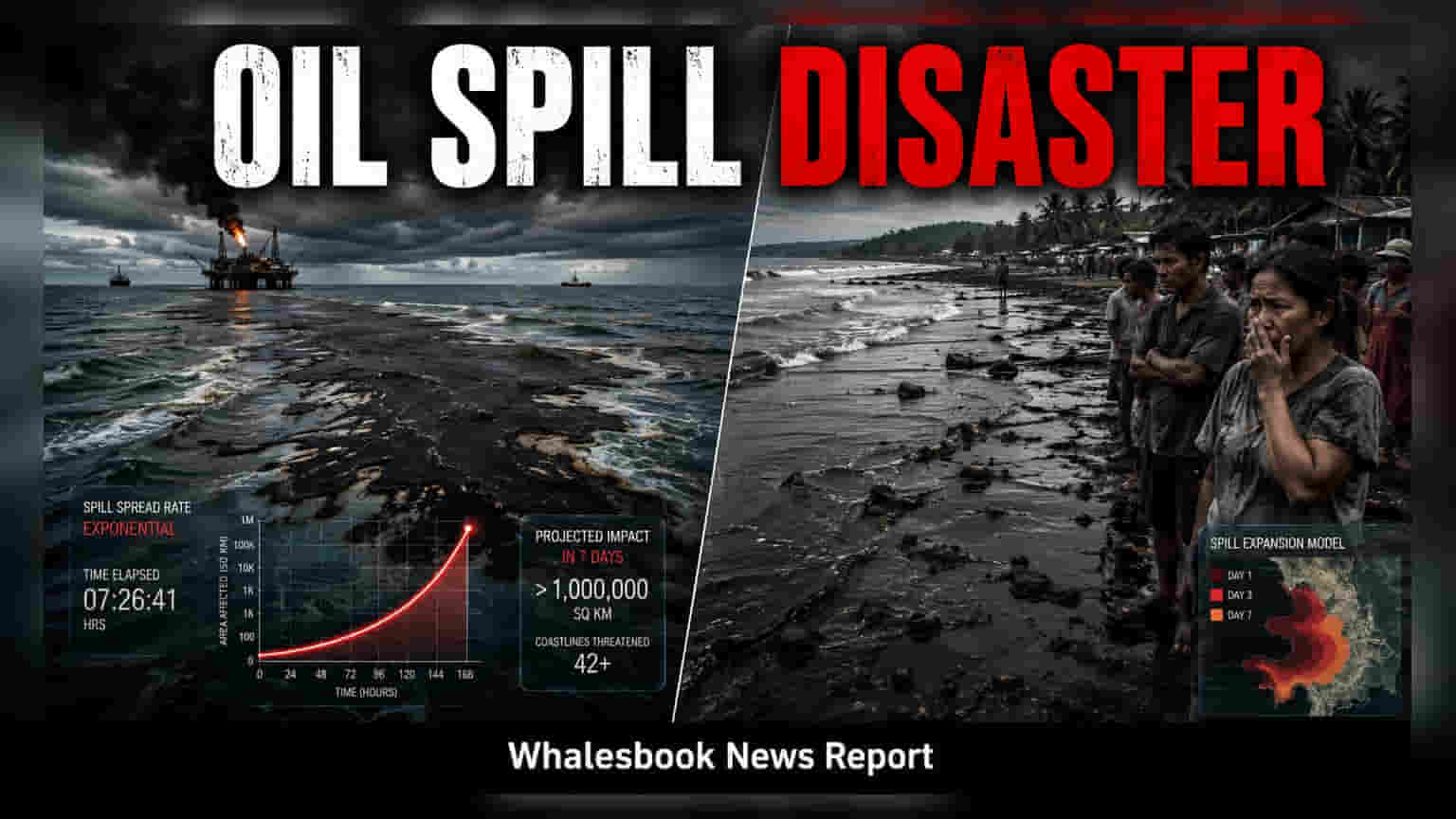
A massive oil spill from the sanctioned tanker Caroline Bezengi has reached mainland Oman, threatening protected marine ecosystems. The incident reveals a growing financial risk in the shipping sector, as standard international insurance funds have refused to cover the cleanup, citing the vessel's status as part of a sanctioned 'shadow fleet.'
The environmental situation off the coast of Oman has worsened as an oil slick from the grounded tanker Caroline Bezengi has reached the mainland. The spill, estimated to cover over 2,000 square kilometers, is currently impacting the Ras Madrakah region. This area includes protected marine habitats, such as those for sea turtles and whales, which are now at risk of long-term damage.
The vessel, a Cameroon-flagged ship, has been stranded off the Al Hallaniyat archipelago since June 2026 following an explosion. It is widely identified by maritime analysts as part of a 'shadow fleet'—a collection of ships that operate outside standard international regulations to transport sanctioned oil. Because of this status, the tanker lacks standard insurance coverage from reputable global providers, creating a significant problem for containment and cleanup operations.
From a financial perspective, the incident highlights a major gap in how environmental disasters are handled when non-compliant ships are involved. The International Oil Pollution Compensation (IOPC) Funds, which typically pay for oil spill cleanups, have indicated they will not cover the costs. The funds have classified the incident as an 'act of war,' a designation that effectively removes the liability for insurers. This leaves the financial burden of the cleanup and environmental restoration largely on the local authorities, rather than on the ship owners or insurers as would happen in a standard shipping accident.
The broader shipping and maritime insurance sector is monitoring this incident closely. As the use of shadow fleets continues in global trade, accidents of this nature create high costs for the countries where they occur. This event may lead to increased pressure on governments and international bodies to enforce stricter monitoring of such vessels. Investors in the shipping and logistics sector may note that regulatory environments in the Indian Ocean region could tighten as countries seek to prevent similar liability issues from affecting their coastlines.
Looking ahead, the focus remains on the cleanup efforts, which are currently being hampered by monsoon conditions. The next critical updates will be the progression of the containment, the potential impact on local fisheries and tourism, and any new policy measures from regional authorities aimed at regulating the transit of non-insured vessels through the Indian Ocean shipping lanes.