

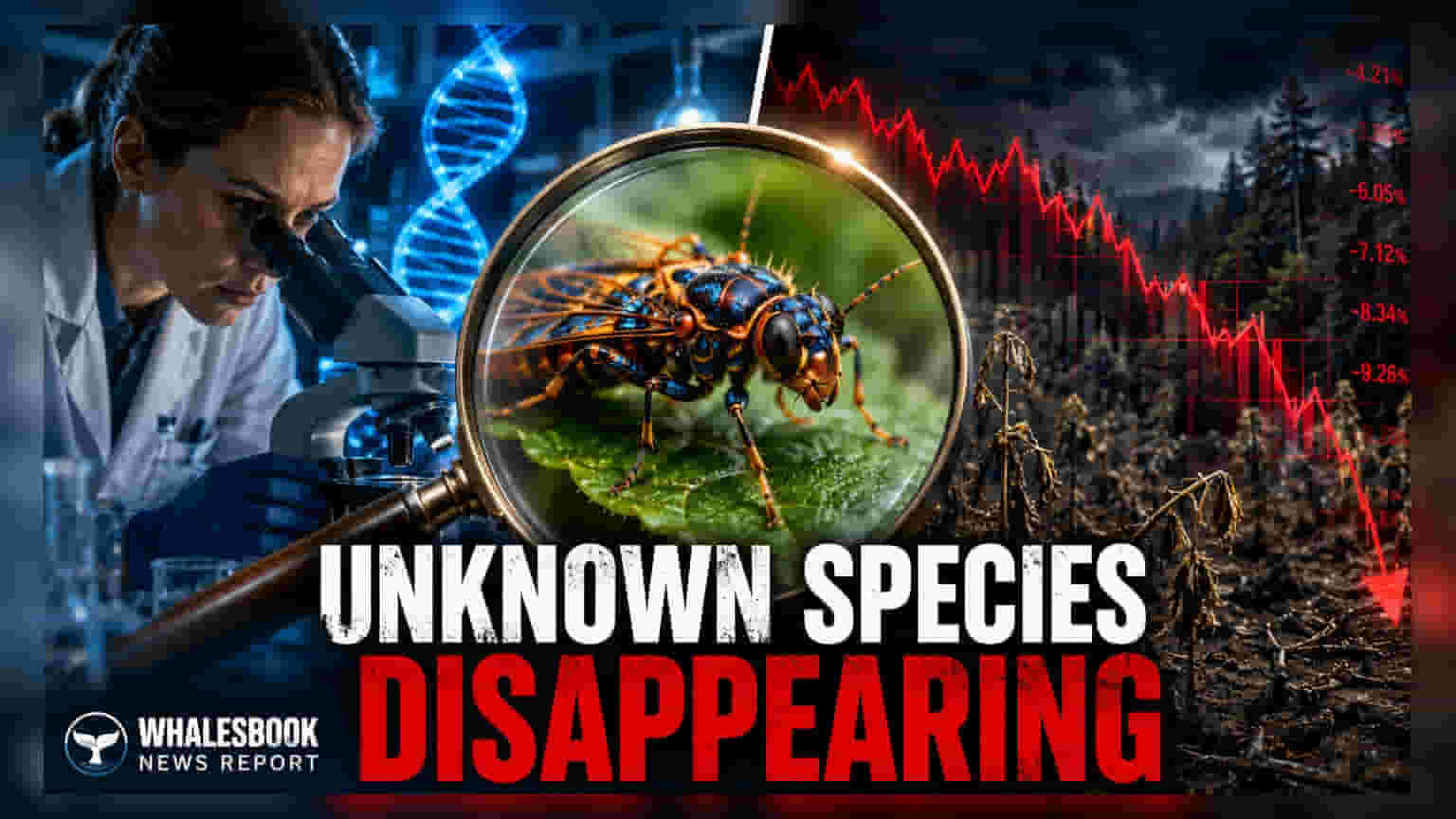
A recent study published in the journal Science estimates there are up to 20.3 million insect species globally, far exceeding earlier expectations. This research highlights massive hidden biodiversity, pointing to a critical need for conservation as insect populations face rapid global declines caused by human activity.
A new scientific study has significantly revised the estimated number of insect species on Earth, suggesting that the planet may host between 14.2 million and 20.3 million distinct species. This discovery, published in the journal Science, far surpasses the previous long-standing estimate of approximately 6 million species. With only about 1.2 million species formally documented by scientists to date, this research indicates that the vast majority of insect life remains undiscovered.
Research Methods and Findings in Costa Rica
The study relied on intensive data collection within the Area de Conservacion Guanacaste (ACG) in northwestern Costa Rica. Spanning 169,000 hectares, this reserve serves as a diverse habitat including dry, cloud, and rainforests. Researchers deployed specialized tent-like structures known as Malaise traps to collect flying insects. Through this process, the team gathered approximately 1.63 million tropical insects. By using DNA barcoding—a technique that uses specific DNA sequences to distinguish between species—researchers identified 53,945 insect species from the core area of the reserve alone.
The team focused heavily on Microgastrinae, a group of parasitoid wasps that interact closely with caterpillars. By studying these wasps and extrapolating data based on tree species diversity within the reserve, the researchers developed their new global population estimates. The methodology represents a significant shift in how biodiversity is measured, as it moves away from traditional counting methods to statistical modeling based on well-surveyed regional data.
Conservation Challenges and Economic Context
While this research highlights the richness of global biodiversity, it also presents a stark warning regarding the future of these populations. The authors emphasize that insect populations are currently facing an unprecedented decline globally due to human-led activities, including habitat loss, pollution, and climate change.
For investors and policymakers, this data underscores the growing importance of biodiversity conservation as a component of environmental, social, and governance (ESG) reporting. As global awareness of environmental degradation rises, companies in agriculture, chemical manufacturing, and land development face increasing scrutiny regarding their impact on ecosystems. The loss of insect biodiversity is not merely an environmental concern but carries significant economic risks for global food systems, as insects are essential for pollination, pest control, and soil health. The next critical update for observers will be how these findings influence future environmental regulations and whether global conservation strategies are updated to reflect the reality of these vastly higher biodiversity estimates.