

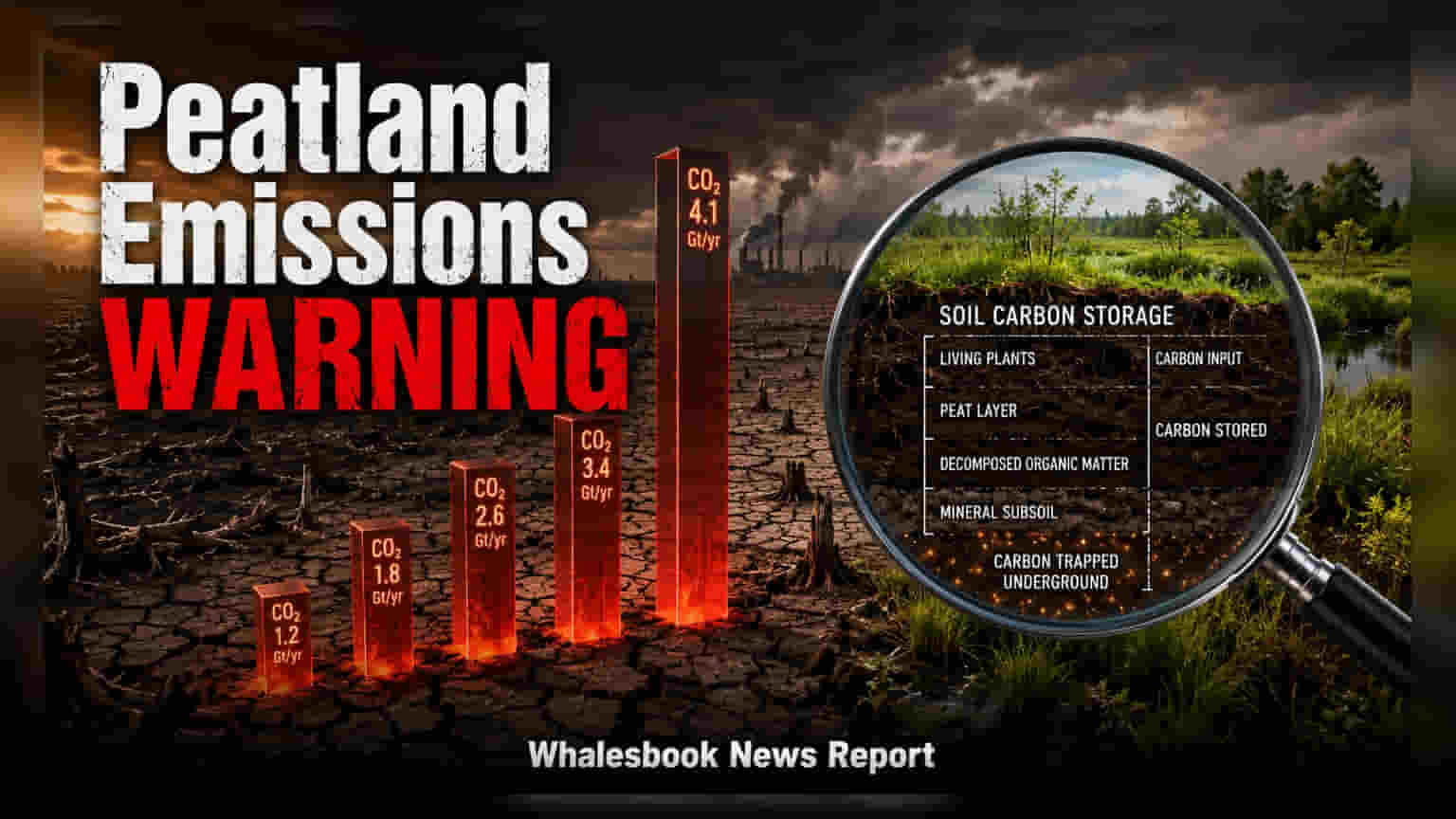
The Food and Agriculture Organization (FAO) released updated greenhouse gas emission factors for peatlands on July 31, 2026. This data update helps countries better track carbon emissions from managed soils. For investors, this shift highlights the growing focus on environmental data transparency, which may influence future climate-related compliance requirements for companies in the agriculture, forestry, and land-use sectors.
The Food and Agriculture Organization of the United Nations (FAO) has published new data guidelines to improve how countries measure greenhouse gas emissions from peatlands and organic soils. Released on July 31, 2026, the update provides revised emission factors—the standard values used to estimate the release of gases like carbon dioxide and methane when these lands are drained or used for commercial activities.
Impact on Climate Reporting and Policy
Peatlands are natural carbon stores, holding nearly twice as much carbon as all the world's forests combined. However, when these areas are drained for development or farming, they release large amounts of stored carbon into the atmosphere. By providing more accurate measurement tools, the FAO aims to help nations create better climate strategies. For the corporate sector, these standardized metrics could eventually lead to stricter reporting requirements for businesses operating in areas with significant peatland holdings, particularly in regions like Southeast Asia where data collection is most advanced.
Expanding the Data Evidence Base
This update is part of the Peat-Emit project, a joint effort between the FAO and the UK Centre for Ecology and Hydrology. The team analyzed 560 new data points related to emissions and carbon removal, significantly expanding the information available since the 2013 IPCC Wetlands Supplement. This new research provides a much clearer picture of emission trends across Asia, Africa, and Latin America. Increased transparency in this area is a step toward global standardization of how environmental impact is calculated.
Challenges in Data and Monitoring
While the new factors provide more clarity, the report notes that large knowledge gaps still exist. Information is still heavily concentrated in Southeast Asia, with much less data available for managed or restored peatlands in other parts of the world. Furthermore, measuring specific gases like methane and nitrous oxide remains difficult. The FAO has emphasized the need for long-term investment in field measurements and monitoring technology to fill these gaps.
For market participants, the persistent need for better monitoring suggests that demand for environmental consulting, specialized carbon-tracking technology, and verified sustainability services may grow. As global standards for climate reporting become more precise, companies that rely on high-intensity land use will need to track these regulatory updates closely, as they could impact future operational costs or lead to new environmental compliance hurdles.