

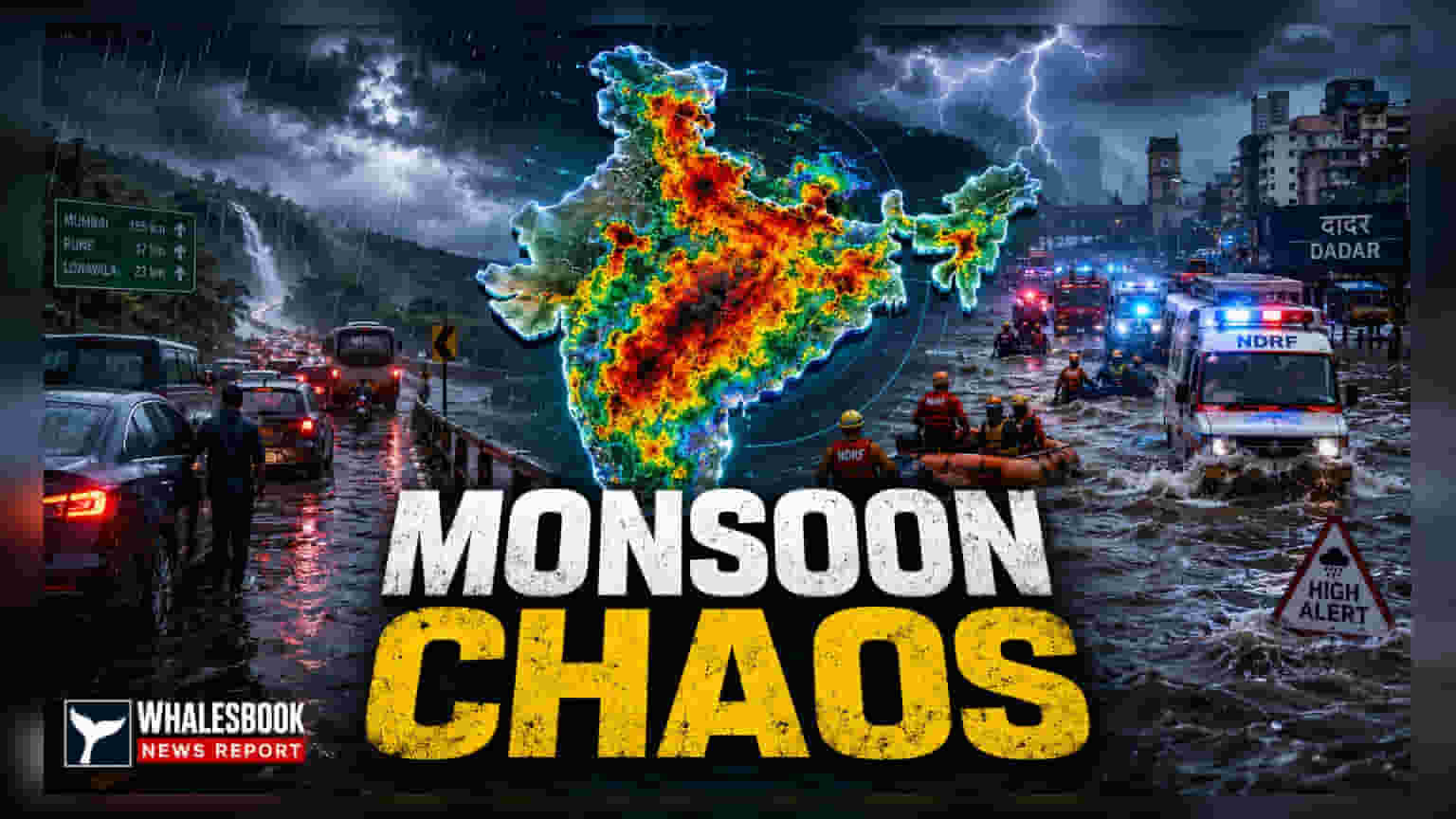
The India Meteorological Department has issued red and orange alerts for Maharashtra, Gujarat, and several other states as the southwest monsoon intensifies. Widespread heavy rainfall is causing transport disruptions and waterlogging in key urban regions. Investors should track how these weather-related logistics delays and potential agricultural impacts affect regional economic activity and supply chain efficiency.
The southwest monsoon has strengthened significantly, triggering a series of severe weather alerts from the India Meteorological Department across major Indian states. Coastal and central regions, particularly Maharashtra and Gujarat, are currently facing the most intense rainfall, which has resulted in waterlogging and temporary disruptions to transport corridors, including the Mumbai-Pune Expressway.
Impact on Regional Logistics and Infrastructure
Continuous downpours are creating logistical challenges that can affect business operations and supply chain movement. While the monsoon is essential for India’s agricultural cycle and reservoir levels, the current intensity has led to localized transport delays and reduced visibility. For businesses operating in these regions, the risk involves potential slowdowns in last-mile delivery, workforce attendance, and raw material movement. Urban centers in Konkan, Goa, and Vidarbha are under red and orange alerts, indicating that heavy precipitation may continue to affect daily commerce and infrastructure stability in the coming days.
Monsoon Progression and Sector Risks
Beyond the western states, the weather system is moving toward Haryana, Punjab, and Rajasthan. The India Meteorological Department has noted that a low-pressure area over eastern Madhya Pradesh is driving these showers. While the moisture is beneficial for the kharif sowing season, excessive rain in short durations often raises concerns about crop damage or delayed harvesting cycles in vulnerable zones. Additionally, the forecast of rough seas with wind speeds reaching 70 kmph necessitates caution for port operations and coastal logistics, as fishermen have been advised to avoid offshore activity.
Monitoring Weather-Related Economic Triggers
For investors and market observers, the primary monitorable is the duration and severity of the rainfall, as it dictates the level of disruption to regional industrial activity and agricultural output. Prolonged infrastructure bottlenecks in key industrial hubs could exert temporary pressure on production timelines for manufacturing companies. Furthermore, while the current alerts are focused on logistical risks, the overall moisture distribution remains a critical factor for the rural economy, which impacts consumption demand in subsequent quarters. Investors may follow official updates regarding the progression of this weather system and its impact on regional transport and power infrastructure to gauge any material effect on local business performance.