

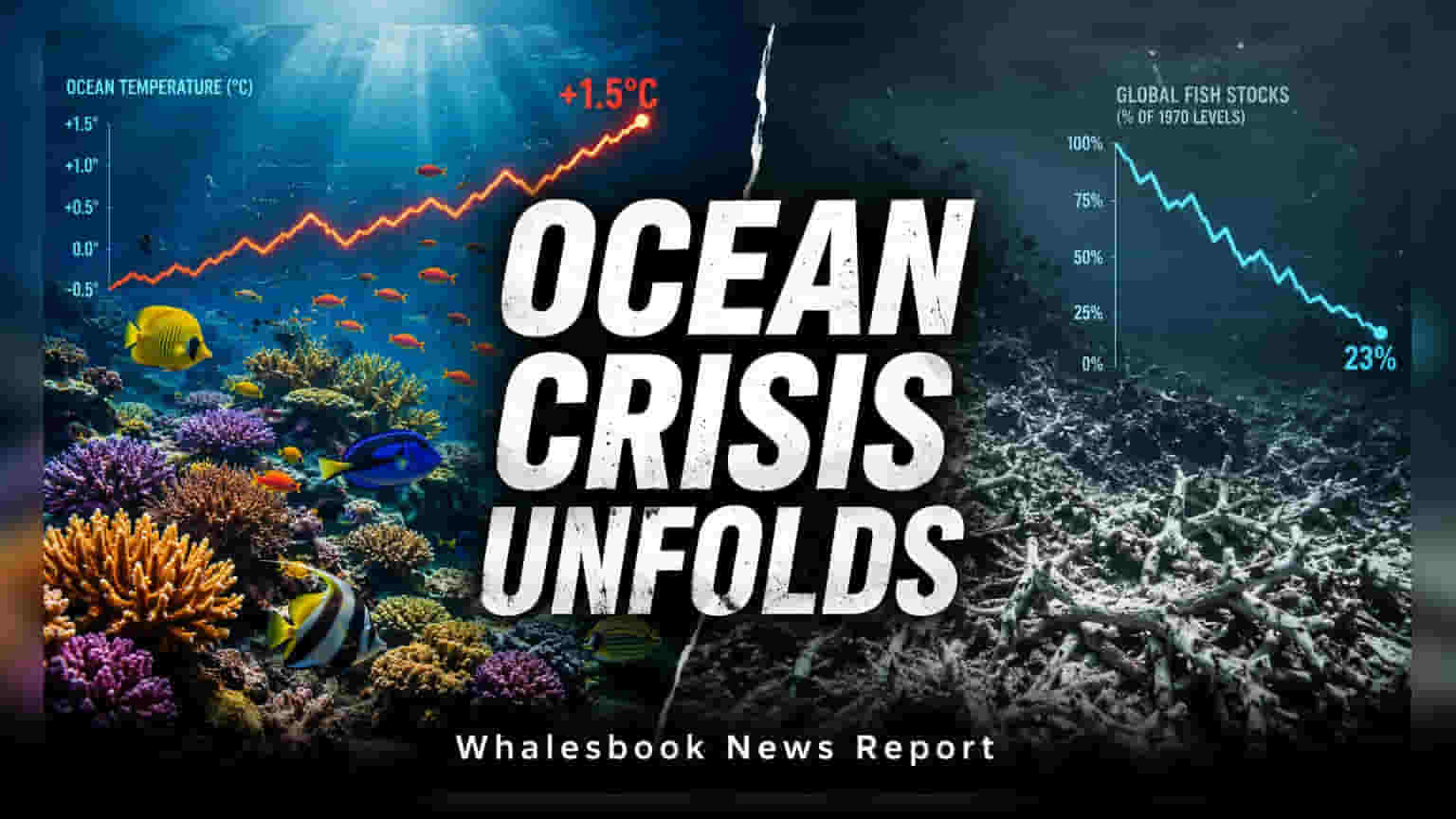
Global ocean temperatures reached record highs in 2026, triggering severe marine heatwaves that disrupt marine ecosystems. These events pose significant risks to commercial fisheries, aquaculture, and coastal tourism, potentially impacting food supply chains and regional economies. Investors and policymakers are monitoring these developments as they can lead to increased volatility in food prices and operational risks for maritime industries.
The global ocean landscape is experiencing a significant climate shift, with marine heatwaves (MHWs) becoming more frequent and severe throughout 2026. These events, defined as periods of at least five consecutive days where sea surface temperatures significantly exceed historical averages, are disrupting marine life on a massive scale. For the business and investment community, these environmental anomalies are moving beyond ecological concerns to become factors that influence supply chains, food security, and regional economic stability.
Economic and Industry Impact
The direct impact of these heatwaves is felt most acutely in sectors reliant on ocean resources, specifically commercial fisheries and aquaculture. When sea temperatures rise beyond sustainable limits, fish stocks often migrate to cooler waters or suffer mortality, directly affecting catch volumes. This creates potential supply chain volatility, which can influence seafood prices and impact the margins of companies operating within the aquaculture and marine food processing sectors. Additionally, the degradation of coastal infrastructure and the decline in biodiversity threaten the tourism industry, which remains a vital revenue stream for many coastal economies.
Risks in the Indian Context
For Indian markets and regional economies, the situation in the Arabian Sea is a specific area of focus. Research from scientific bodies, including the Indian National Centre for Ocean Information Services (INCOIS), has documented increasing thermal stress in this region. The Arabian Sea is critical for India's domestic fishing industry and maritime trade. Continued warming and the development of heatwaves in these waters can alter migration patterns of commercially important fish species, creating uncertainty for harvest projections and the livelihoods of communities dependent on these resources.
Broader Financial and Operational Risks
Beyond the immediate impact on fisheries, marine heatwaves present broader financial risks. The insurance sector, particularly concerning coastal properties and maritime assets, faces increased exposure to damage linked to intensified storm systems that are often fueled by warmer oceans. Furthermore, public health concerns arising from harmful algal blooms—often associated with warmer waters—can lead to the contamination of seafood, resulting in regulatory hurdles and potential losses for the export-oriented food processing industry. As global climate agencies monitor the developing El Niño event expected to peak in late 2026, the potential for intensified thermal stress in the Indian Ocean and Pacific remains a key factor.
Future Monitorables for Investors
Investors in sectors exposed to marine resources, such as food processing, aquaculture, and maritime infrastructure, are increasingly tracking the frequency and location of these events. The ability of companies to implement adaptive management strategies, such as diversifying sourcing locations or investing in heat-tolerant aquaculture technologies, will be a key differentiator in managing long-term operational risk. The primary monitorables for the coming quarters will be climate data updates from organizations like the World Meteorological Organization, which provide insight into ocean temperature trends and their subsequent impact on commodity availability and supply chain reliability.