 Whalesbook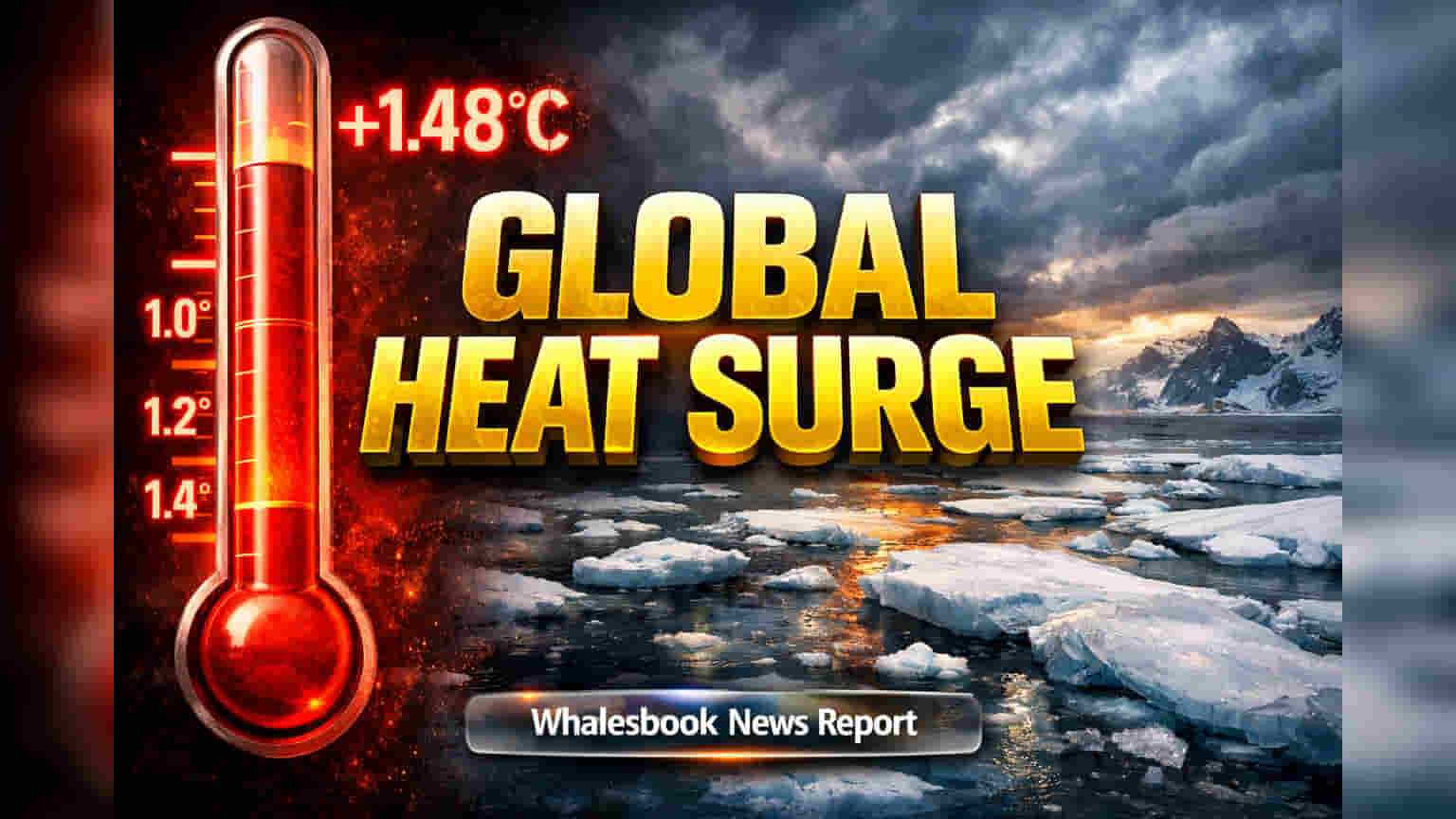


March 2026 Climate Data: A Sobering Economic Warning
Global temperatures in March 2026 showed significant warming, hitting 1.48 degrees Celsius above the pre-industrial average (1850-1900). This made it the fourth warmest March on record. Ocean temperatures were the second warmest globally for the month, suggesting a likely shift toward El Niño conditions. Alongside these trends, Arctic sea ice extent hit its lowest for March, 5.7% below the 1991-2020 average. These combined factors raise concerns for economic stability and global trade.
Warming Oceans and Arctic Melt Fuel Economic Risk
Warmer oceans can disrupt marine life, affecting fisheries and related industries, and contribute to more severe weather events. A potential El Niño could lead to widespread agricultural disruptions and changes in energy demand, creating uncertainty for commodity markets and inflation forecasts. The record low Arctic sea ice, while possibly opening new shipping routes, also signals profound environmental shifts that can alter weather patterns globally. This impacts crop yields and increases extreme weather frequency.
El Niño's Economic Shadow and Coastal Threats
Historically, El Niño events have caused major economic impacts, including crop failures, altered rainfall affecting hydropower, and shifts in energy demand. Rising sea surface temperatures also contribute to sea-level rise, threatening coastal infrastructure and increasing insurance costs. The Arctic melt is viewed through an economic lens, with potential for new resource extraction and shipping lanes bringing both opportunity and geopolitical risk. Analysts are watching how these climate shifts might worsen existing inflation or create new supply chain bottlenecks.
Supply Chains and Sectors Under Climate Pressure
Global supply chains, already strained by recent geopolitical events, are vulnerable to climate-driven weather extremes. Regions experiencing warmer temperatures, such as parts of Eastern Europe, the US, and Asia, could see impacts on agriculture and water resources. Conversely, colder conditions in areas like Alaska and Canada might affect energy demand. The insurance sector faces rising claims from extreme weather, while tourism and coastal real estate are exposed to long-term risks. These climate anomalies act as a persistent negative shock to global economic growth.
Adapting to Climate Shocks: A Business Imperative
Economic forecasts now increasingly include climate resilience and adaptation as key to sustainable growth. The March 2026 data serves as a clear reminder for businesses and policymakers to review their risks, invest in adaptive technologies, and build more robust supply chains. Experts believe proactive measures to reduce climate change impacts will be vital to avoid more severe economic consequences ahead.