

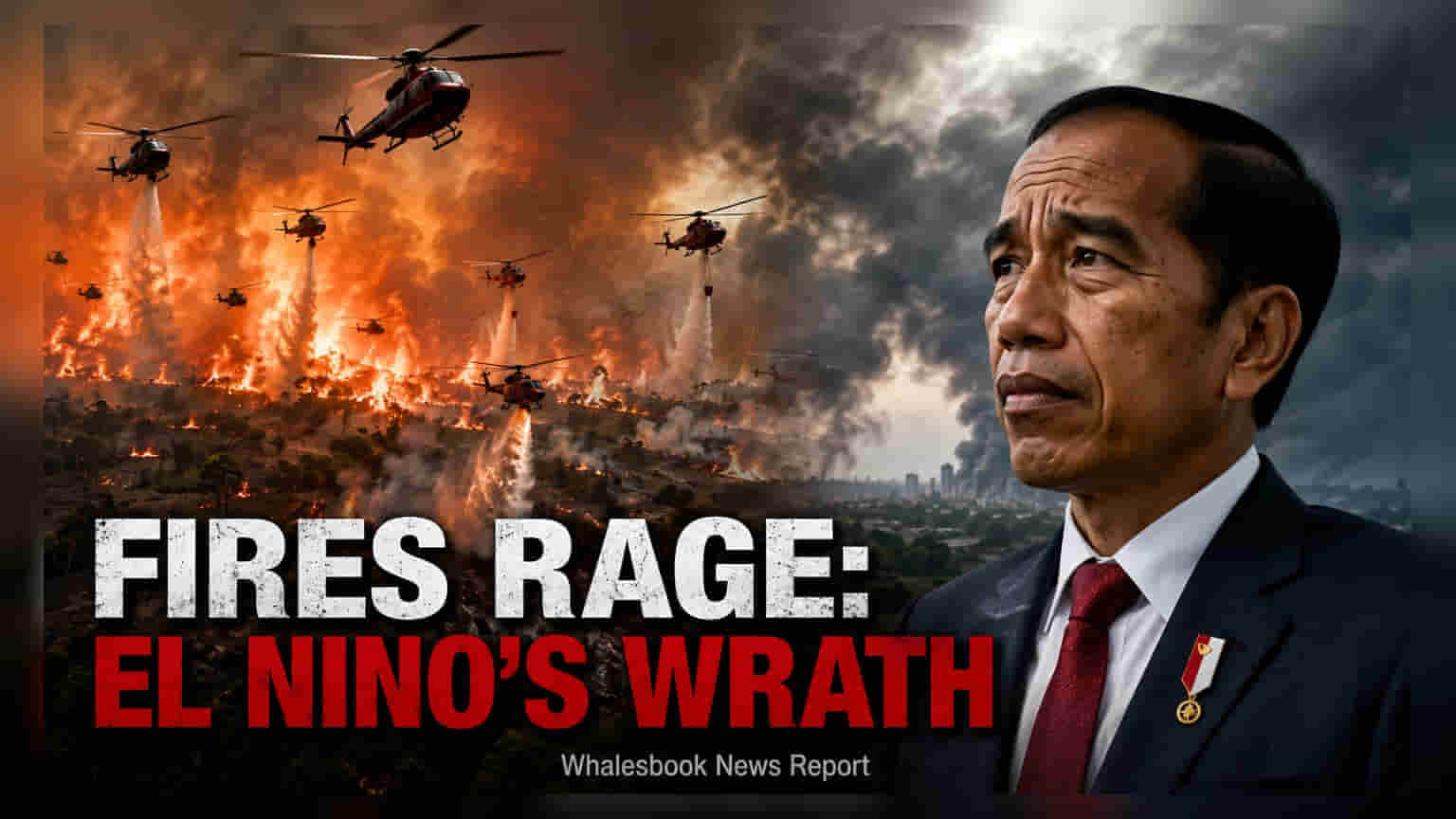
Indonesia has mobilized 43 helicopters to fight massive wildfires that have consumed over 107,000 hectares of land. The surge in fires, fueled by El Nino, threatens significant palm oil plantations in Sumatra, raising concerns about potential supply chain disruptions. Indian investors may monitor the impact on edible oil imports and commodity price volatility as the dry season continues through September.
Indonesia is scaling up its emergency response to combat widespread wildfires that have scorched more than 107,000 hectares across the nation as of August 10, 2026. The government has dispatched 43 helicopters and hundreds of personnel to tackle the flames, which are spreading rapidly due to a severe dry season intensified by the El Nino weather pattern.
Impact on Palm Oil Supply
For investors, the most critical economic concern lies in the Sumatra region, a major hub for palm oil production. Fires have ignited in several peatland areas, including districts where palm oil plantations are located. Indonesia is the world’s largest producer of palm oil, and any significant damage to these plantations or disruption in harvest logistics can influence global edible oil prices. Because India is one of the largest importers of Indonesian palm oil, supply constraints or a drop in output could lead to price volatility, potentially affecting food inflation trends within the country.
Challenges in Containment
The fire-fighting operations are facing significant hurdles due to the nature of the terrain and weather. In Sumatra, deep peat soil—which is rich in organic material—is highly flammable and difficult to extinguish, often leading to underground fires that persist for weeks. Furthermore, unfavorable weather conditions have made cloud-seeding attempts ineffective. Authorities report a lack of rain-bearing clouds, forcing total reliance on aerial water bombing and ground teams. The strong winds associated with the ongoing dry season are also complicating efforts to prevent the fire from reaching more plantation areas.
Regional and Environmental Risks
Beyond the immediate agricultural impact, the fires have resulted in thick haze, raising environmental and health concerns across the region. Neighboring countries, including Malaysia and Singapore, are closely monitoring the situation as smoke drifts across borders. This has historically led to trade friction and calls for stricter environmental standards on agricultural practices. Investors should note that increased regulatory scrutiny regarding land-clearing practices could lead to operational delays or higher compliance costs for firms operating in the sector.
What Investors Should Track Next
The peak of the dry season is forecast to last through September, meaning the threat to agricultural output remains active. Key monitorables for market participants include any government-mandated export restrictions on palm oil, significant fluctuations in international commodity prices, and weather updates that might signal an end to the extreme dryness. Sustained fire activity could result in short-term supply chain bottlenecks, impacting the cost structure for Indian companies heavily dependent on palm oil imports.