

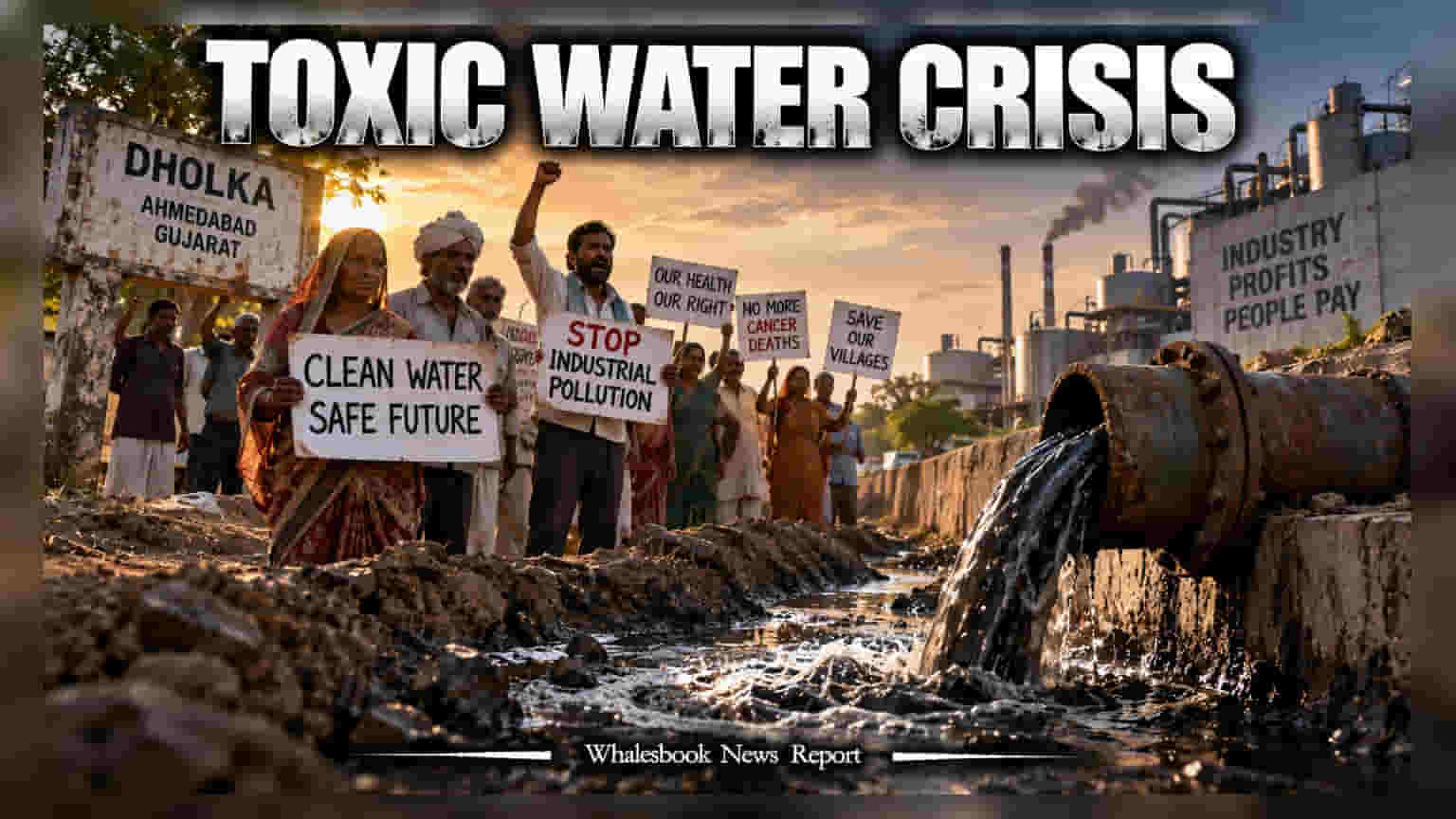
Residents in Dholka, Gujarat, are protesting against alleged groundwater contamination, leading the Gujarat Pollution Control Board to issue compliance notices to five local industrial units. The situation brings regulatory and operational risks to the fore for the involved companies, including the listed entity Concord Biotech.
Residents from five villages in the Dholka taluka of Ahmedabad are currently protesting against what they describe as a long-term public health crisis. The local community alleges that for the past 15 years, industrial effluent discharge from nearby factories has contaminated their groundwater, leading to severe health issues and, they claim, 54 cancer-related deaths over the last seven years. The protestors have been demanding accountability and action against the industries they hold responsible for this environmental damage.
In response to the mounting public pressure and the ongoing demonstrations, the Gujarat Pollution Control Board (GPCB) has initiated regulatory action. The board has issued formal notices to five industrial units operating in the region: Cadila Pharmaceuticals, Concord Biotech, Jima Tex, Dharamchand Ultra Chem, and Vasa Pharma. These companies have been directed to provide proof of their compliance with environmental norms, specifically regarding how they handle and dispose of industrial wastewater. This is a standard regulatory step taken to verify if the units are operating within the safety limits set by environmental laws.
For investors, particularly those tracking the listed entities involved, this situation highlights the importance of environmental, social, and governance (ESG) factors. Concord Biotech is a publicly listed company, and investors often monitor how such businesses handle environmental compliance. When a company faces allegations regarding pollution or receives notices from a state pollution control board, the primary risks include potential legal penalties, increased scrutiny from authorities, and the possibility of temporary operational disruptions if the manufacturing units are found to be non-compliant with effluent disposal standards.
Environmental compliance is an ongoing operational requirement for manufacturing companies. If the authorities find that a facility has failed to meet these standards, it may be ordered to halt operations until it installs or upgrades the necessary treatment systems. Such shutdowns can lead to production delays, impact revenue, and result in additional capital spending to fix the compliance gaps. Furthermore, significant negative publicity or public health allegations can lead to reputational damage, which may affect the company’s standing with stakeholders and the local community.
Investors should look for future company filings or official announcements regarding these GPCB notices. The next key update will be the response from these companies to the pollution control board and any subsequent verification report from the government. Understanding whether these facilities are fully compliant or if they require corrective action is essential for assessing the operational impact of this situation.