

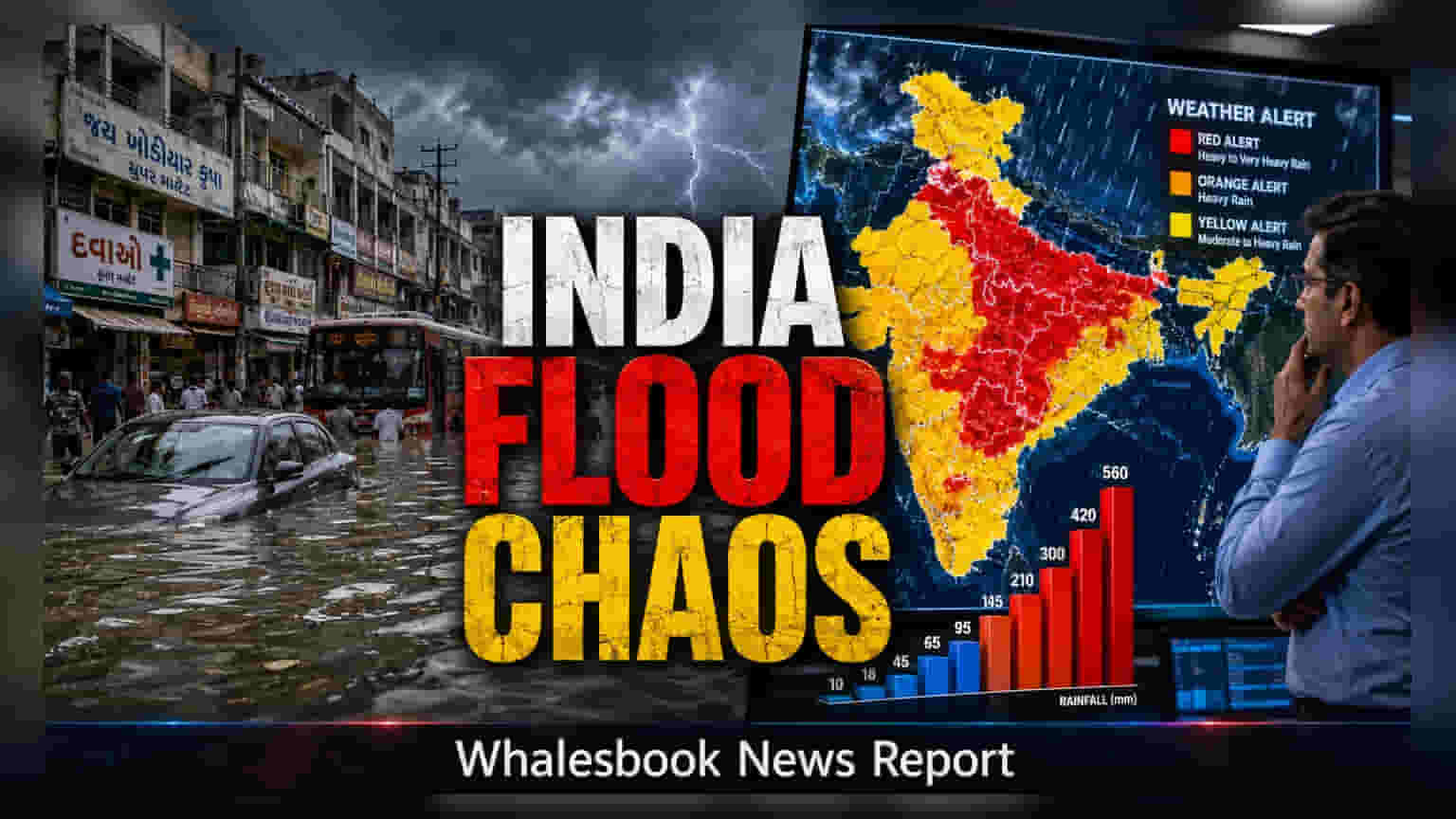
The India Meteorological Department has issued a Red Alert for Gujarat, with forecasts of over 204.5 mm of rainfall potentially causing flash floods. Investors may track potential disruptions to logistics, manufacturing, and agricultural activities in the region. Other parts of Western and Southern India are also under high-alert warnings as the monsoon intensifies.
The India Meteorological Department (IMD) has issued a Red Alert for Gujarat, citing an intense monsoon spell expected to bring over 204.5 mm of rainfall. This weather event raises significant risks of flash floods and waterlogging, which could impact economic activity across the state. With 13 districts currently on high alert, authorities have deployed disaster response teams to manage potential infrastructure damage and service disruptions.
Potential Impact on Industry and Logistics
For Indian investors, the primary concern lies in how these weather conditions affect business continuity. Gujarat is a major hub for chemicals, pharmaceuticals, textiles, and refining industries. Severe weather often leads to supply chain bottlenecks, temporary shutdowns at manufacturing plants, and delays in the movement of goods via road and rail. Companies with large assets in low-lying areas or those reliant on continuous power and transport logistics may face localized operational pressure.
Beyond Gujarat, the ongoing monsoon intensity in coastal Karnataka, Konkan, Goa, and Kerala adds to the broader risk of infrastructure-related disruptions. Landslides in hilly areas and urban flooding in major centers can impact regional commerce and local demand, which are factors often reflected in the performance of sectors like logistics, insurance, and regional banking.
Sector and Regional Outlook
While the monsoon is vital for India’s agricultural sector, excessive rainfall in a short period can lead to crop damage, particularly in regions preparing for seasonal harvests. The IMD’s forecast of heavy rain across Northern and Eastern states, including Punjab, Haryana, and Bihar, suggests that agricultural output will depend heavily on whether the rainfall remains within manageable levels.
Historically, while extreme weather events cause short-term volatility in local business operations, they do not necessarily reflect long-term structural issues for major listed entities. However, investors may monitor company statements for updates regarding project delays, site closures, or damages to infrastructure. The current weather system is expected to persist through the weekend, making it a critical period for assessing the resilience of operations in the affected regions. Next updates from local disaster management authorities and company filings regarding any material impact on business sites will be the key monitorables for stakeholders.