

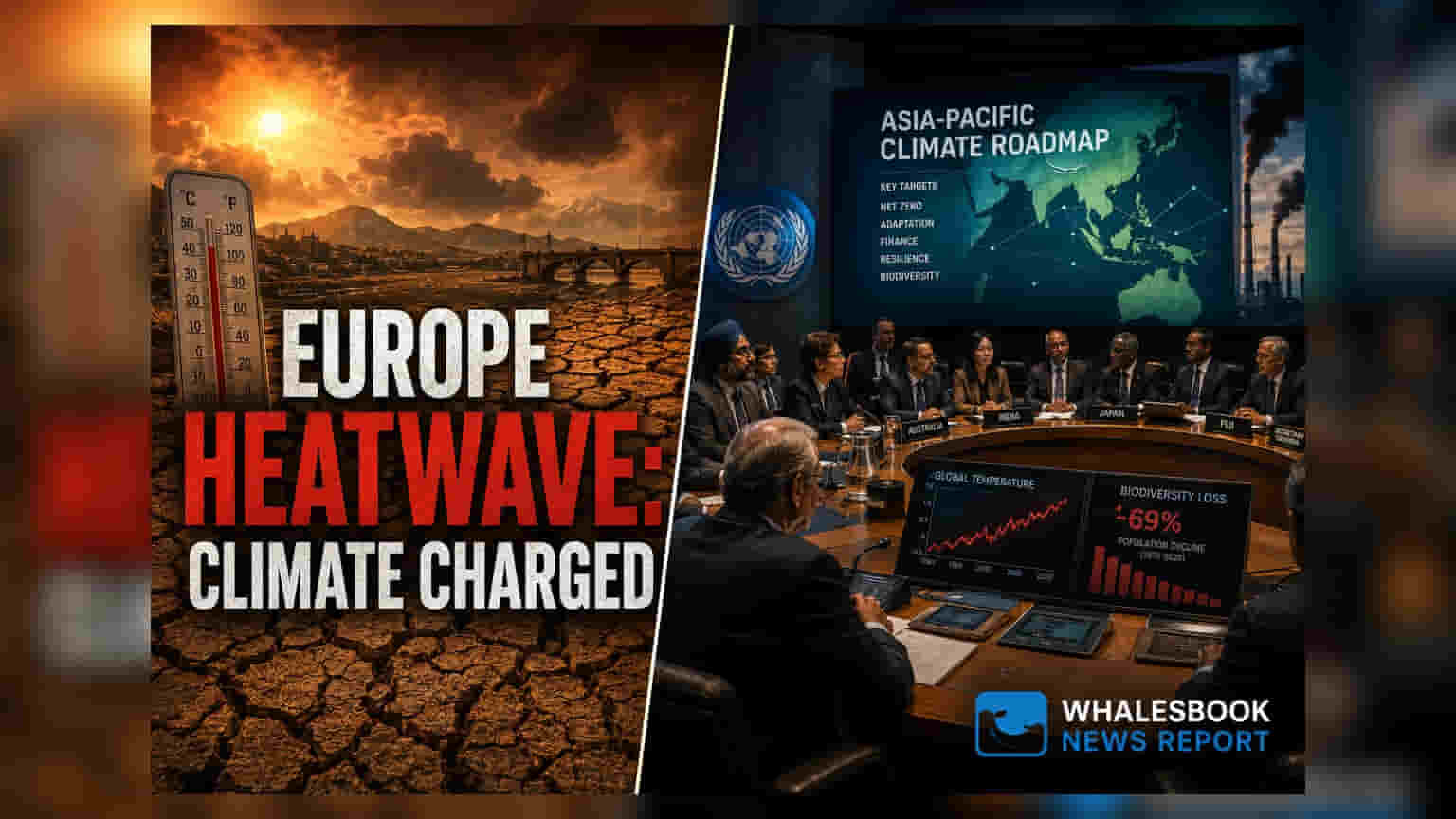
A June 2026 European heatwave intensified by 2.5°C due to climate change has placed $15.6 trillion in economic assets and 327 million people at risk. The extreme event caused widespread infrastructure strain, highlighting growing environmental pressures that global policy frameworks are now attempting to address.
What Happened
Recent analysis indicates that human-induced climate change made the June 2026 western European heatwave up to 2.5°C hotter than historical averages. This extreme weather event, driven by a persistent high-pressure 'heat dome' atmospheric pattern, pushed temperatures 5°C to 12°C above seasonal norms across countries like France, Germany, Spain, and the UK. With $15.6 trillion in economic activity exposed, the crisis has highlighted the vulnerability of critical infrastructure and public health systems in developed economies to rapidly changing climate conditions.
Economic and Infrastructure Impact
The heatwave forced immediate operational changes across major European economies. In France, schools were closed to protect students, while German railway operators warned of travel disruptions caused by tracks buckling under record temperatures. Hospitals reported severe operational strain as they managed increased patient inflows, and national electricity grids faced significant pressure from the surge in cooling demand. Beyond immediate public service disruptions, the event serves as a stress test for how European industrial assets and supply chains perform under extreme heat, which can lead to factory shutdowns, reduced labor productivity, and logistical bottlenecks.
Regional Policy Responses
As Europe manages the immediate aftermath, Asia-Pacific nations have simultaneously adopted a new regional roadmap to address the interconnected crises of climate change, biodiversity loss, and pollution. The 'Ministerial Declaration on Environment and Development in Asia and the Pacific 2026' seeks to align financial and institutional policies to combat these environmental pressures collectively. This shift reflects a growing realization among global policymakers that environmental risks—such as the heatwave in Europe or the stalled monsoon in South Asia—are not isolated events but systemic challenges that require coordinated, cross-border investment and policy action.
Risks and Environmental Pressures
The economic exposure analysis by ClimaMeter identifies approximately $13.4 trillion in assets in areas experiencing extreme heat. The World Health Organization has linked over 1,300 excess deaths to the immediate aftermath of the heatwave, raising concerns about the long-term cost of healthcare and social security impacts. Furthermore, experts emphasize that without shifts in how infrastructure is designed and maintained, future extreme weather events could cause even greater financial loss, impacting insurance markets, urban planning budgets, and corporate operating margins in affected regions.
What Investors Should Track
Investors may monitor how national governments and corporations adjust their capital spending on climate-resilient infrastructure. Key monitorables include potential regulatory changes in energy grid management, upgrades to transportation networks to withstand higher temperature volatility, and the growing demand for climate-adjusted risk disclosures from large corporations. Additionally, tracking how the Asia-Pacific regional environmental roadmap influences future green financing and policy directives may provide insight into global shifts in sustainability-linked investment priorities.