

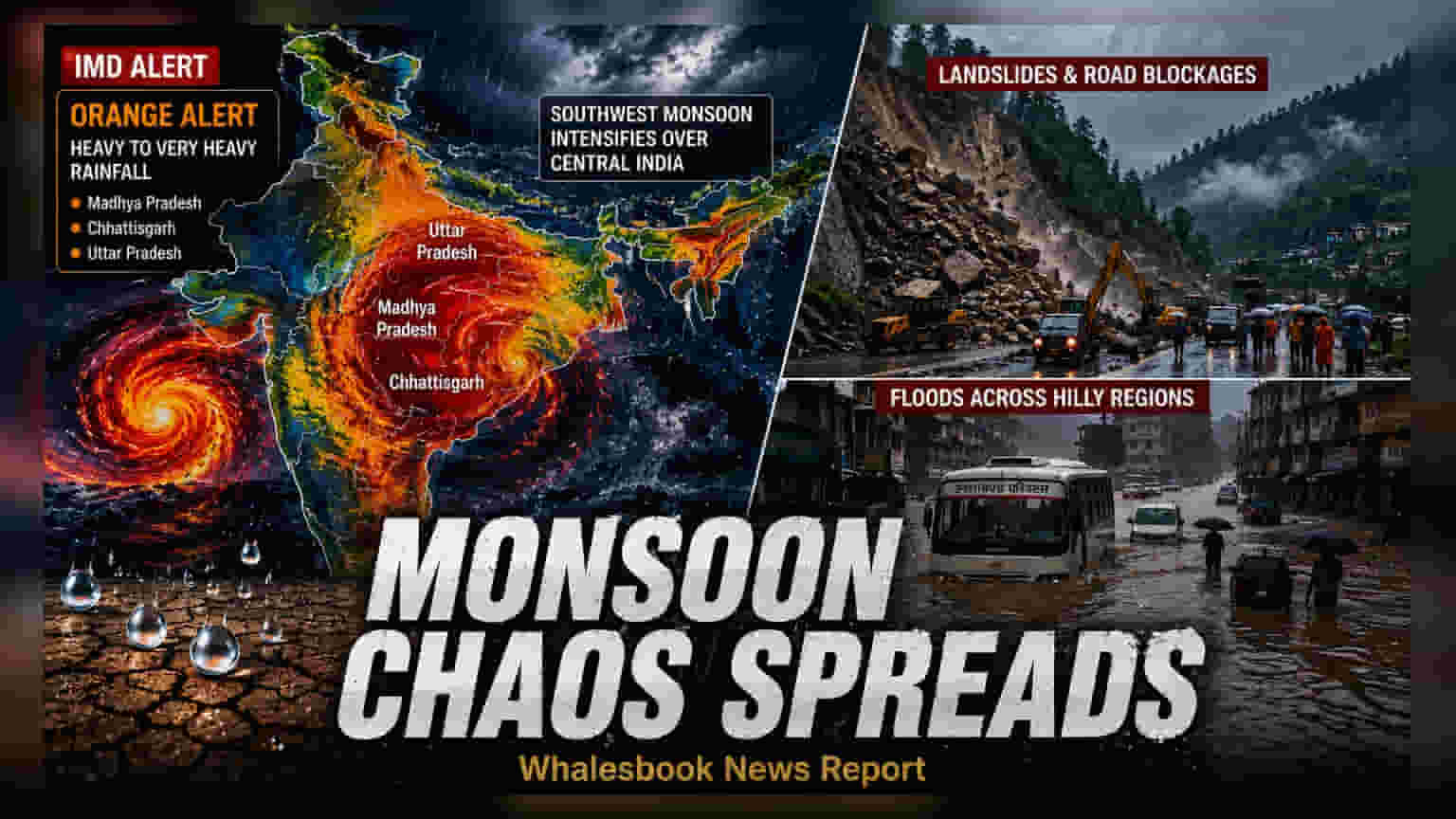
The India Meteorological Department has issued heavy rainfall alerts for Madhya Pradesh, Chhattisgarh, and Uttar Pradesh. Investors are monitoring the impact on agricultural output and rural consumption, while landslide risks in the Himalayan region may disrupt local infrastructure and supply chains.
The India Meteorological Department (IMD) has issued orange alerts for heavy to very heavy rainfall across Madhya Pradesh, Chhattisgarh, and parts of Uttar Pradesh as the southwest monsoon intensifies in Central India. While consistent rainfall is generally vital for agricultural productivity and reservoir levels, the current intensity brings specific implications for various economic sectors that market participants track closely.
Impact on Rural Demand and Agriculture
For investors, monsoon trends are a primary indicator of rural economic health. Sufficient and well-distributed rainfall typically supports Kharif crop production, which in turn boosts rural income and consumer spending. Companies in the FMCG, automobile, and fertilizer sectors often look for favorable monsoon data to gauge potential demand in rural markets for the coming quarters. However, extreme weather events, such as excessive rainfall that causes flooding, can lead to crop damage. This poses a risk of supply shortages, which can create inflationary pressure on food prices.
Infrastructure and Logistics Risks
In the Himalayan regions, including Uttarakhand, Himachal Pradesh, and Jammu & Kashmir, persistent rainfall has significantly increased the risk of landslides and road blockages. For businesses with operations, distribution networks, or supply chains passing through these mountainous areas, such disruptions can cause logistical delays and increase operational costs. While these issues are often localized, they highlight the infrastructure challenges that can affect regional commerce and tourism activities during the peak monsoon season.
Macroeconomic Context
The 2026 monsoon season has been under observation due to its erratic distribution across various states. Financial observers and policymakers monitor these weather patterns as a macroeconomic risk factor because they influence diverse areas, ranging from power generation efficiency in hydroelectric dams to consumer inflation indices. Erratic weather often forces authorities to manage potential food supply issues, which can influence broader economic policy decisions.
Monitoring Future Updates
Investors should track reports on crop damage and any government or local authority actions to mitigate infrastructure damage. The most important monitorable over the coming weeks will be the final impact of these weather patterns on harvest yields and food inflation. These factors will likely influence corporate earnings performance in the agricultural, food processing, and consumer goods sectors in the upcoming quarters.