

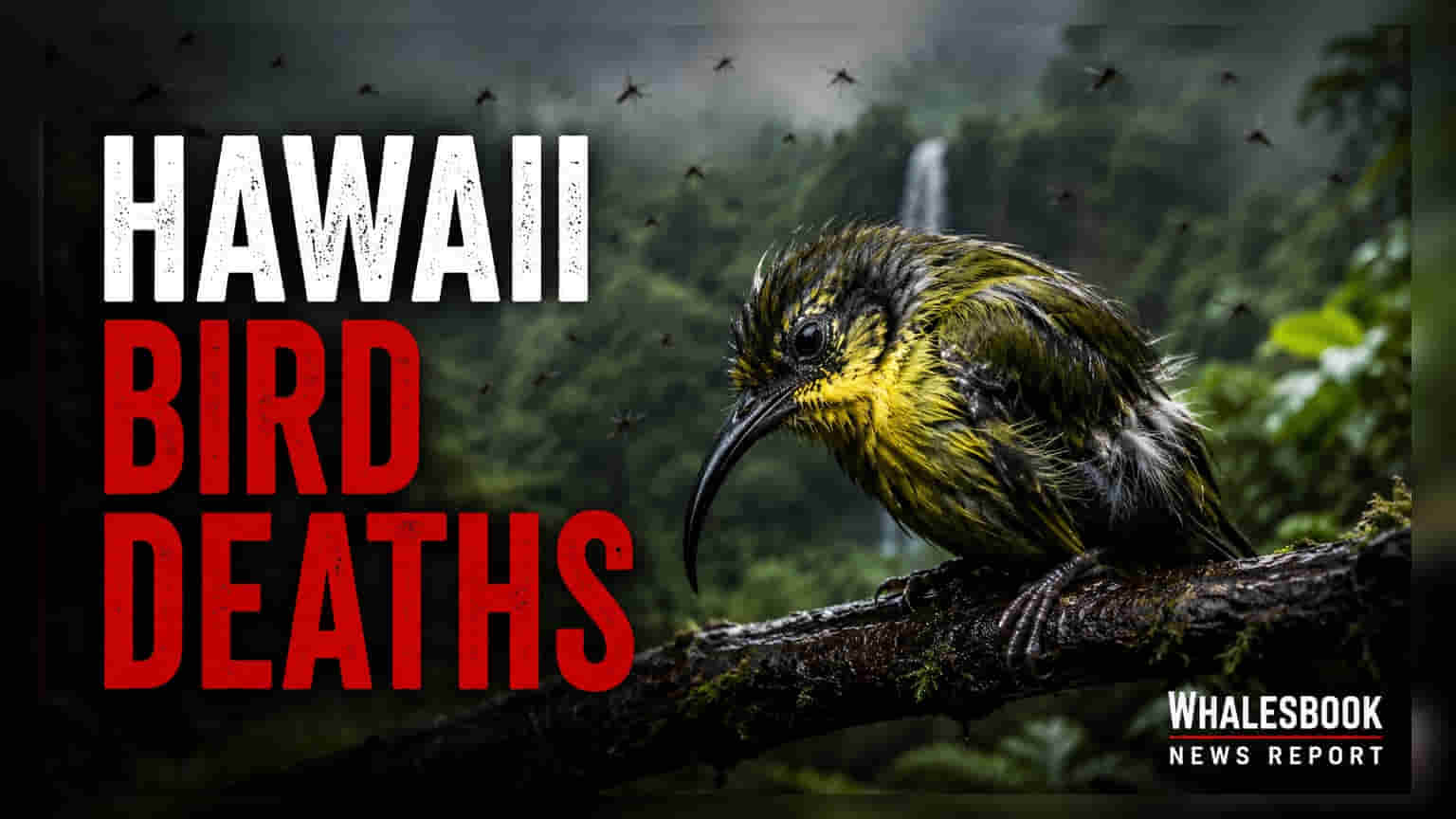
A severe avian malaria outbreak is causing mass extinctions among native Hawaiian honeycreepers, driven by climate change and invasive mosquitoes. While the crisis is currently centered in the Pacific, similar research into avian parasites in India’s Western Ghats suggests a looming need for increased biodiversity monitoring and ecological vigilance.
What Happened
A widespread avian malaria epidemic is devastating native bird populations across the Hawaiian Islands, pushing several species toward extinction. A recent study found the parasite present in 63 out of 64 surveyed sites across Kauai, Oahu, Maui, and Hawaii islands. The disease, transmitted by the non-native southern house mosquito (Culex quinquefasciatus), has caused the number of native Hawaiian honeycreeper species to plummet from 55 to just 17. The epidemic is largely driven by climate change, which has allowed mosquitoes to reach previously safe, high-altitude habitats where native birds once thrived without immunity.
The Mechanism Of The Crisis
The crisis in Hawaii demonstrates how a single invasive species can destabilize an entire ecosystem. When the southern house mosquito was introduced in 1826, native birds, which had evolved in isolation for millions of years, lacked natural immunity to the malaria parasites the insects carried. The current research highlights that the disease is now so pervasive that even birds that survive the initial infection continue to carry and spread the parasite, creating a cycle of transmission that makes containment extremely difficult. As warming temperatures allow mosquitoes to penetrate deeper into mountain refuges, native species are running out of 'safe zones' to escape the infection.
Relevance To India’s Western Ghats
While the Hawaii crisis is a cautionary tale of environmental vulnerability, scientific attention is also turning to India’s Western Ghats. Known for its 'Shola Sky Islands'—isolated, high-altitude montane forests—this region is a critical site for studying bird-parasite dynamics. Researchers in India have been monitoring avian haemosporidian parasites such as Plasmodium, Hepatocystis, and Theileria. Unlike the Hawaiian situation, where mosquitoes are the primary vector, the Western Ghats face a more complex epidemiological landscape involving diverse insect vectors like biting midges and black flies.
Why This Matters For Biodiversity And ESG
For Indian stakeholders, this situation underscores the importance of ecological monitoring. As environmental, social, and governance (ESG) reporting standards become more stringent for corporations, the impact of climate change on biodiversity is increasingly recognized as a material business risk. The degradation of sensitive habitats like the Western Ghats—often where infrastructure or developmental projects operate—can lead to long-term ecological instability. Proactive monitoring of wildlife health is becoming a necessary component of responsible land use and environmental management, particularly in regions with high endemism.
What Stakeholders Can Track
Moving forward, the primary areas to monitor include the advancement of vector-control technologies, such as the use of Wolbachia-infected mosquitoes currently being tested in Hawaii to curb populations. Additionally, continued longitudinal studies on avian health in the Western Ghats will be vital for understanding how climate-driven shifts in disease prevalence could impact India’s own biodiversity. Public and private sector focus on environmental data transparency and conservation funding will be the key indicators of how well regions prepare for similar ecological pressures.