 Whalesbook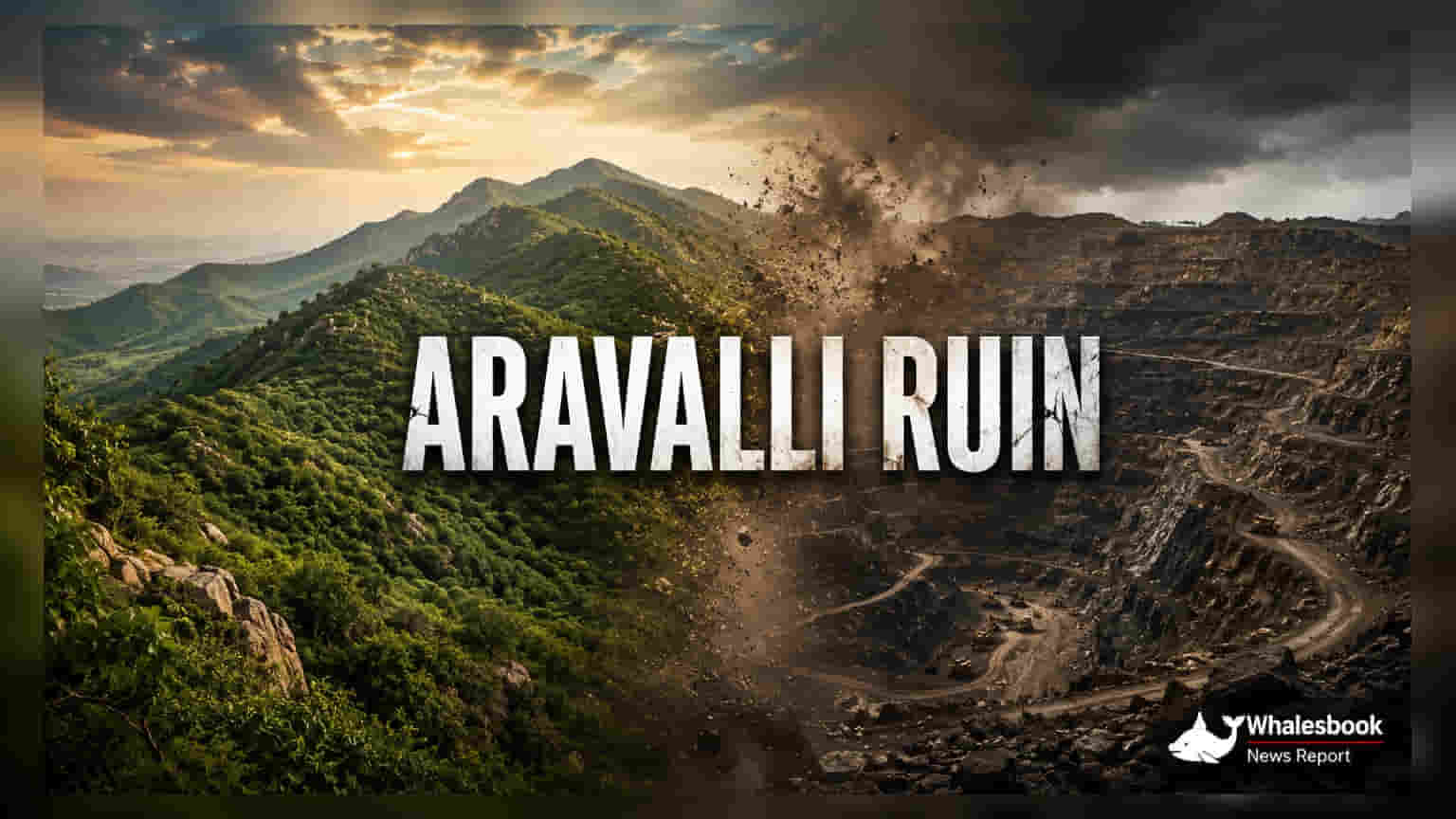


The Valuation of Ecological Erosion
The degradation of the Aravalli range has moved beyond a local conservation issue, evolving into a structural risk for the northern Indian economy. While urban centers depend on the extraction of gneiss and granite to sustain rapid infrastructure expansion, the hidden cost manifests in the irreversible loss of a primary geological barrier against the Thar Desert. The economic displacement of this natural shield risks increasing the heat load on the National Capital Region, where the impact on labor productivity and energy demand during peak summer months is becoming increasingly quantifiable.
Discrepancies in Regulatory Oversight
The gap between government assessments and independent audits suggests a profound deficiency in land-use surveillance. While the Ministry of Environment, Forest and Climate Change maintains that less than 0.2 percent of the range is subject to active mining, the discrepancy highlighted by the Comptroller and Auditor General underscores a pattern of lease-boundary non-compliance. Data indicates that over one-third of surveyed operations consistently operate outside legal mandates. This administrative failure suggests that current moratoriums on new licenses may be largely performative, failing to address the illegal extraction occurring under existing, loosely verified leases.
The Forensic Bear Case
The institutional approach to the Aravalli crisis faces mounting scrutiny regarding the efficacy of existing enforcement mechanisms. The primary risk factor involves the persistence of 'legacy leases'—agreements grandfathered into the regulatory framework that evade modern environmental scrutiny. Furthermore, the correlation between mining-related particulate matter and the rising incidence of silicosis represents an unpriced liability for state healthcare systems. From an investment perspective, the continued reliance on extractive industries in this sensitive zone creates a volatile operating environment where sudden, mandatory closures or litigation-driven shutdowns could disrupt regional supply chains for construction materials. The absence of a unified, technology-driven monitoring system for illegal quarrying implies that the actual environmental footprint is likely significantly larger than even current judicial committee reports suggest.
Future Outlook and Policy Implications
Market participants tracking regional construction and infrastructure stocks should note the increasing likelihood of stricter judicial mandates that may supersede government-issued mining leases. As climate resilience becomes a metric for urban planning and credit ratings, the focus will likely shift toward sustainable material sourcing and the enforcement of environmental safeguards. If the current trajectory of deforestation and terrain modification continues, the transformation of the Gangetic plains into a dust-prone arid zone remains a credible threat, forcing a transition toward more stringent, albeit costly, regulatory compliance for the mining sector.