

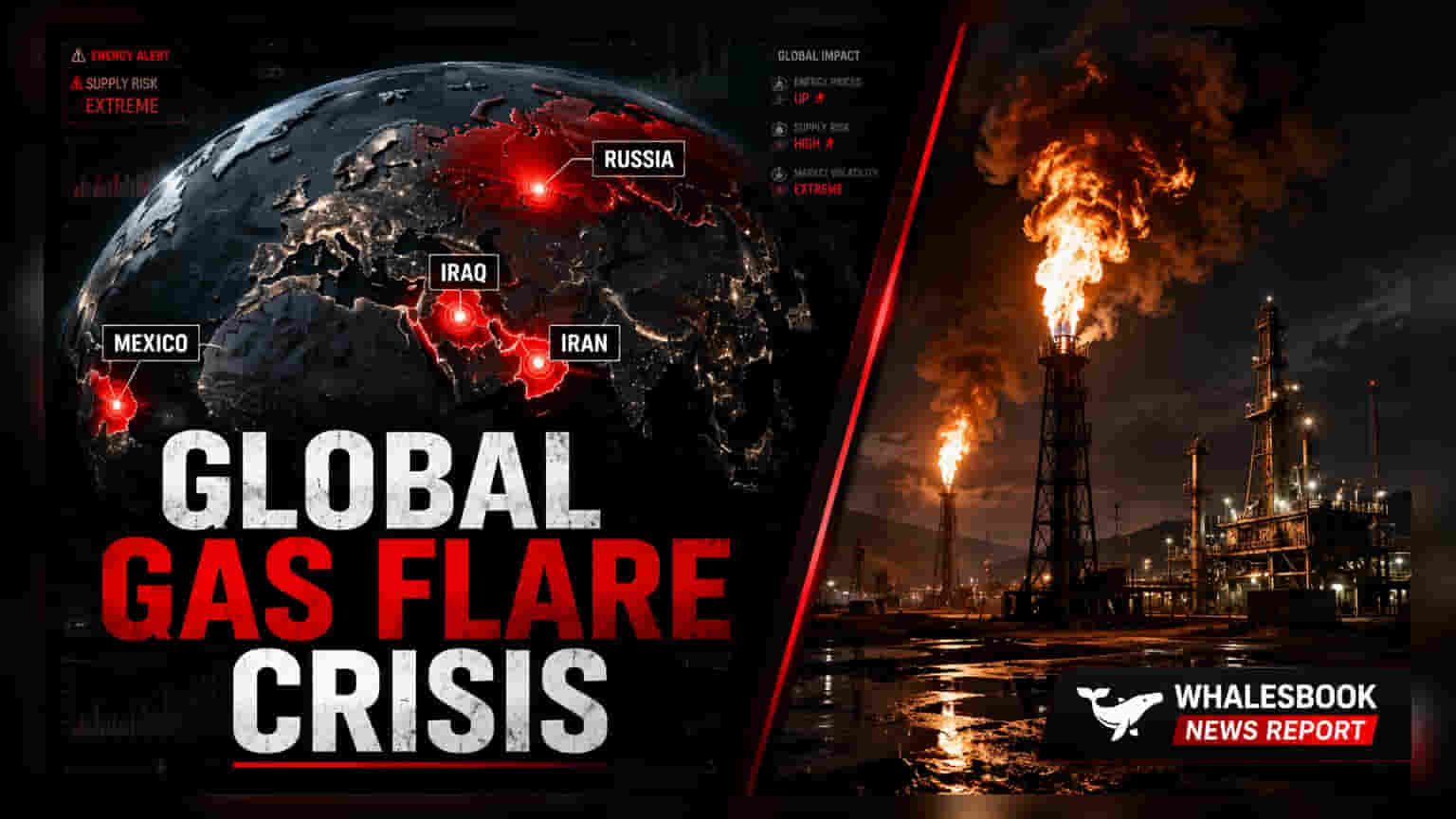
A 2026 World Bank report shows nine countries flared 167 billion cubic meters of gas, wasting $54 billion in energy. This practice contributes significantly to global emissions and highlights critical infrastructure gaps in oil-producing nations.
What Happened
Nine countries are responsible for over 83% of global gas flaring, according to the World Bank’s 2026 Global Gas Flaring Tracker Report. While these nations produce less than half of the world's oil, they continue to burn off natural gas extracted during oil production. Total global flaring reached 167 billion cubic meters (bcm) in 2025, up from 157 bcm in 2024. Russia, Iran, Iraq, Venezuela, Mexico, Libya, Algeria, Nigeria, and the United States remain the largest contributors to this waste.
Economic and Environmental Impact
Gas flaring is the practice of burning off unwanted natural gas. Beyond the environmental damage—which resulted in 429 million tonnes of carbon dioxide equivalent emissions in 2025—the economic loss is massive. The World Bank estimates that the gas flared last year was worth approximately $54 billion. For energy-importing nations like India, this wasted resource represents a missed opportunity for energy security. If this gas were captured and processed, it could potentially displace the need for costly natural gas imports.
The Investment Barrier
Stopping routine gas flaring is not technically impossible, but it is expensive. The report estimates that modernizing infrastructure to capture and utilize this gas would require between $70 billion and $100 billion in capital spending. The primary roadblocks identified by the World Bank include a lack of pipeline infrastructure to transport gas, limited domestic gas markets, difficulties in securing financing for projects, and weak regulatory enforcement in flaring nations.
Progress Through Infrastructure
Not all trends are negative. The United States reported a 7% reduction in flaring in 2025, largely attributed to the start of operations at the Matterhorn Express pipeline. This project shows how targeted investment in midstream infrastructure can directly prevent flaring by providing a way to transport gas to market. Kazakhstan serves as another example, having slashed its flaring volumes by 87% since 2012 through strong regulatory mandates and long-term government commitment.
What Investors Should Track
For investors following energy companies, the key monitorable is how firms manage their infrastructure spending and compliance with emissions regulations. Companies that invest in gas capture technology may face higher upfront costs but often benefit from long-term efficiency gains and reduced exposure to carbon-related taxes or penalties. Investors may track whether major oil-producing companies announce plans for new midstream pipeline projects or gas-gathering facilities, as these are the primary signals for potential reductions in waste and future improvements in operational margins.