 Whalesbook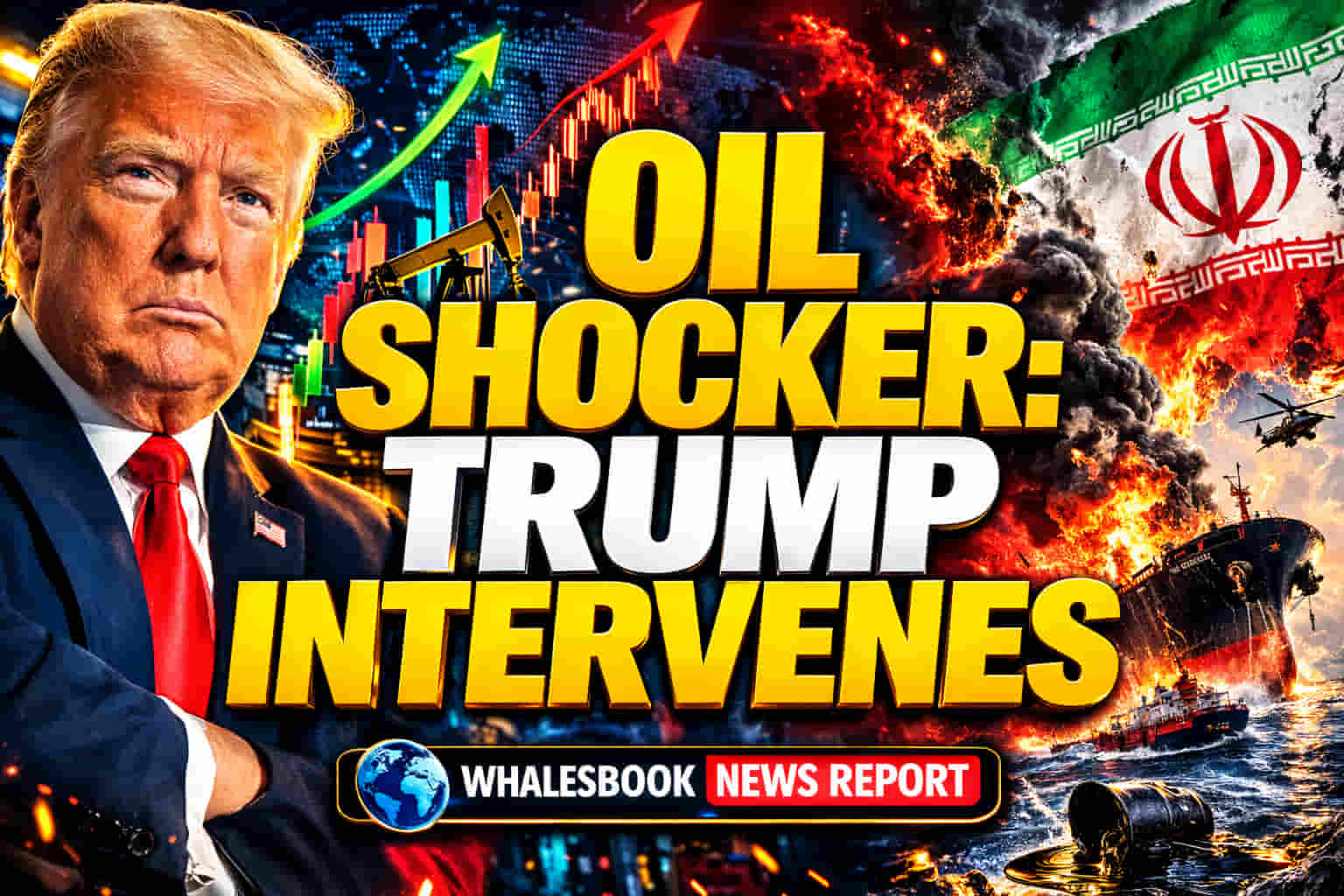


### The Political Imperative vs. Geopolitical Reality
The White House is under immense pressure to act as crude oil prices breach critical psychological thresholds, with WTI futures approaching $120 a barrel and Brent nearing $110. This surge is directly attributable to the ongoing military conflict involving Iran, which has heightened fears of significant disruptions to energy infrastructure and crucial shipping routes in West Asia. President Trump is reportedly set to review export curbs and tax waivers as early as Monday, signaling a clear intention to intervene in the market. This proactive stance is largely driven by domestic political considerations, aiming to cushion the economic blow to U.S. businesses and consumers as the November midterm elections loom. The potential easing of Jones Act requirements is also on the table, a move proponents argue could lower domestic shipping costs for oil products, though its actual impact on global prices remains debated.
### G7 Reserve Release: A Limited Balm for Supply Shocks
In response to the rapidly escalating situation, G7 finance ministers are reportedly considering a coordinated release of crude oil from strategic reserves, a measure previously employed during significant supply disruptions. The International Energy Agency (IEA) protocols facilitate such actions, which can provide immediate psychological relief and moderate price spikes by signaling collective resolve. However, historical precedent and market analysis suggest these releases offer only temporary stabilization. For instance, the 180 million barrel release in 2022 provided price suppression for about six weeks but did not prevent elevated prices for months thereafter, with demand destruction playing a larger role in eventual declines. A proposed 400 million barrel release, while substantial, would cover only a few days of global demand or a limited period of disruption in the Strait of Hormuz, which typically handles about 20% of global oil shipments. The effectiveness of such interventions is further complicated by the fact that strategic reserves are already depleted from past crises, raising future energy security concerns.
### The Forensic Bear Case: Geopolitics Dominates Fundamentals
Despite White House efforts and potential reserve releases, the underlying threat to global oil supply from the Iran conflict remains the dominant market driver. Strikes on Iranian military and fuel facilities, coupled with Iranian retaliatory actions targeting shipping routes, have choked off approximately 20% of global oil supplies transiting the Strait of Hormuz. Several key Middle Eastern producers, including Saudi Arabia, the UAE, Kuwait, and Iraq, have reportedly begun curbing production as storage facilities fill due to restricted tanker traffic. Analysts warn that protracted conflict could lead to sustained price increases, potentially reaching $120-$150 per barrel, and could trigger stagflationary pressures—a combination of stagnant economic growth and rising inflation. The IEA itself has stated that its emergency response system is not designed for price intervention or long-term supply management; its primary function is to alleviate short-term supply disruptions. Furthermore, historical data indicates that geopolitical tensions, particularly involving Iran, can lead to risk premiums of $4-$10 per barrel or more, and that while prices may spike, structural supply factors will ultimately influence long-term trends. The effectiveness of government policy interventions against a genuine geopolitical supply shock remains highly questionable, with forecasts suggesting Brent crude could average around $60-$63 per barrel in 2026, but with significant upward risk due to such geopolitical events. Even potential Jones Act waivers might not significantly alter the global price dynamics driven by war-time supply constraints.
### Future Outlook: Uncertainty and Volatility Prevail
Market sentiment remains highly sensitive to developments in the Middle East. While some analysts predict a return to more fundamental supply/demand balances, the immediate outlook is characterized by extreme volatility. The International Monetary Fund (IMF) has flagged escalating geopolitical tensions as a key downside risk to its global growth projections for 2026. The political imperative to lower energy prices before the midterms may lead to further interventions, but their impact is likely to be overshadowed by the persistent threat of supply disruptions. The energy sector faces a challenging period where the strategic decisions of governments collide with the harsh realities of regional conflict and its immediate impact on global energy flows.