

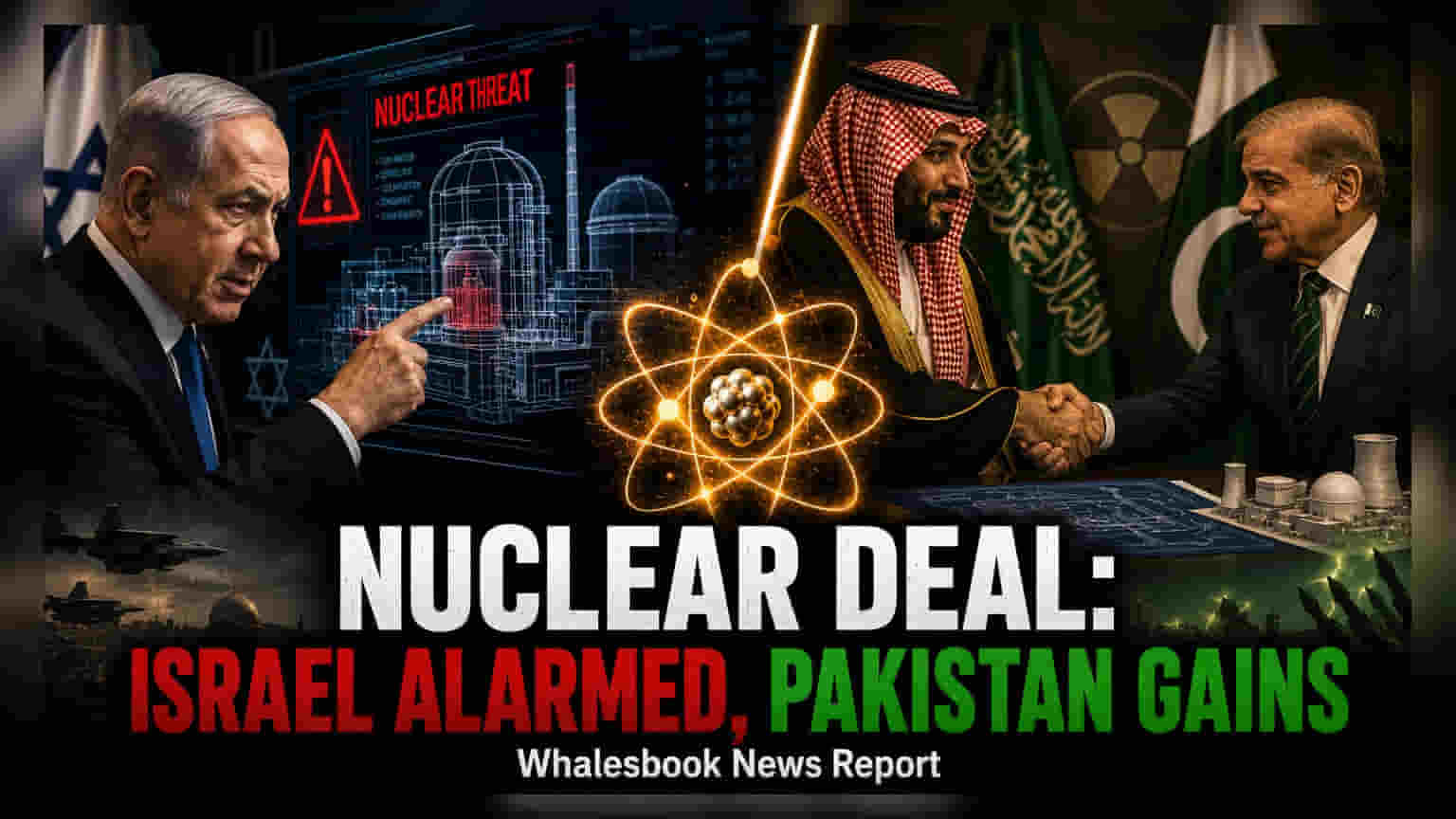
The US has approved a multi-billion dollar civil nuclear agreement with Saudi Arabia, permitting uranium enrichment under bilateral monitoring. This long-term pact aims to boost the Kingdom's civilian energy program but faces scrutiny due to the lack of traditional 'gold standard' safeguards. Investors should note that this deal may influence regional energy dynamics and strategic military alliances in the Middle East.
Detailed Coverage
The United States government has officially approved a civil nuclear cooperation agreement with Saudi Arabia, marking a significant development for the Kingdom’s energy infrastructure. Often referred to as a '123 Agreement,' the framework is designed to allow American corporations to participate in developing Saudi Arabia’s civilian nuclear energy program. This agreement is expected to span 30 years and represents a potential investment opportunity worth tens of billions of dollars for technology and infrastructure companies involved in the nuclear sector.
Absence of Gold Standard Safeguards
A primary point of discussion regarding this pact is the omission of the so-called 'gold standard' safeguards that were included in previous US nuclear agreements, such as the one signed with the United Arab Emirates. Under the current terms, Saudi Arabia is not explicitly required to permanently renounce uranium enrichment or the reprocessing of spent nuclear fuel. Additionally, the deal does not mandate an immediate commitment to the International Atomic Energy Agency’s (IAEA) Additional Protocol, which would provide for highly intrusive global inspections. Instead, the agreement relies on bilateral monitoring arrangements to be established between Washington and Riyadh, a departure from more rigid, internationally standardized oversight models.
Regional Security and Strategic Implications
The approval has raised notable security concerns in Israel, where officials have historically opposed nuclear expansion in neighboring states. The apprehension stems from the dual-use nature of nuclear technology; while officially intended for civilian power generation, critics and regional analysts warn that such programs can be adapted for military purposes. Israeli officials have publicly highlighted that civilian initiatives can serve as a foundation for broader nuclear capabilities.
At the same time, the agreement is expected to strengthen the strategic partnership between Saudi Arabia and Pakistan. Given Pakistan's established technical expertise in nuclear development and the recent 2025 mutual defense treaty between the two nations, analysts are evaluating whether this new civil nuclear access will lead to deeper technical cooperation. Historical financial and military support between Riyadh and Islamabad has long been a factor in regional geopolitics, and this shift in US policy may consolidate that alliance further.
What Investors Should Monitor
For investors and market observers, the next steps include the formal review process by the US Congress. The progression of specific infrastructure contracts, the involvement of major global energy and technology firms, and the subsequent implementation of the agreed-upon monitoring framework will be critical. Additionally, the broader impact on Middle Eastern geopolitical stability remains a variable that could influence energy markets and regional trade sentiment. Stakeholders should also track future IAEA reports and any subsequent diplomatic updates regarding the specific bilateral monitoring terms.