 Whalesbook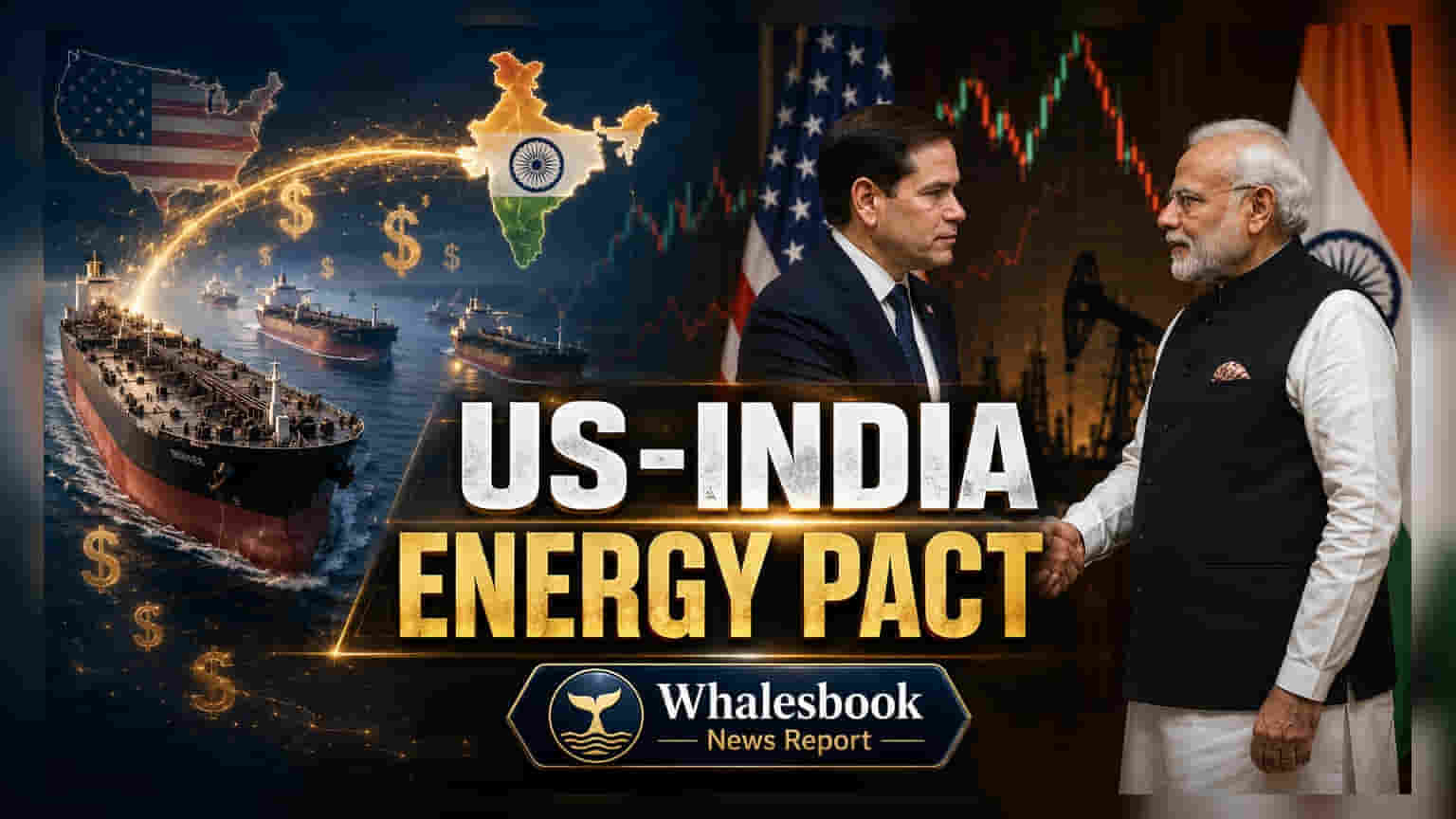


This strategic energy initiative by the U.S. is part of a wider effort to reshape global energy trade and strengthen partnerships in the Indo-Pacific.
Washington's push for American energy exports to India is directly tied to managing the economic and geopolitical fallout from the ongoing conflict involving Iran, which has significantly destabilized international oil markets. The U.S. aims to build a more dependable energy supply chain for India, a key Asian partner, thereby contributing to regional stability.
Boosting India's Energy Security
U.S. Secretary of State Marco Rubio discussed leveraging American energy supplies with Indian Prime Minister Narendra Modi as a core element of their bilateral relationship. The U.S. administration's position is to actively prevent the Iran conflict from controlling global energy markets and to offer India a reliable alternative to high-risk suppliers. This strategy is vital for India, a major crude oil buyer facing increased supply challenges due to current geopolitical events. The U.S. has stated its goal of becoming a primary energy provider for India, aiming to "sell them as much energy as they'll buy."
Navigating Geopolitical Challenges
The escalating tensions with Iran have not only complicated global oil price trends but also created hurdles for U.S. efforts to steer India away from purchasing Russian crude. This volatile situation complicates U.S. energy diplomacy in Asia, where supply chain reliability is crucial for strategic alliances. The conflict's consequences have slowed efforts to realign global energy trade away from sanctioned or otherwise risky sources.
Strategic Partnership Broadens
Beyond energy, Secretary Rubio's visit included discussions on other key areas of cooperation, such as trade initiatives like "Mission 500" and strategic alignment within the Indo-Pacific through the Quad. These talks highlight the broad scope of the U.S.-India relationship, with energy security being a critical aspect of Washington's long-term strategy for regional stability. The U.S. considers India a vital partner in navigating the changing geopolitical landscape.
Competitive Market Dynamics
The U.S. faces competition from established energy suppliers and countries with existing long-term contracts as it seeks to increase its exports to India. India's energy procurement strategy involves balancing cost, supply dependability, and geopolitical factors. The global energy market's current volatility, worsened by the Iran conflict, presents opportunities for U.S. suppliers but also highlights the complex decisions faced by major energy importers like India. The success of U.S. diplomatic efforts will depend on offering competitive prices and securing long-term supply agreements that meet India's significant energy needs.