

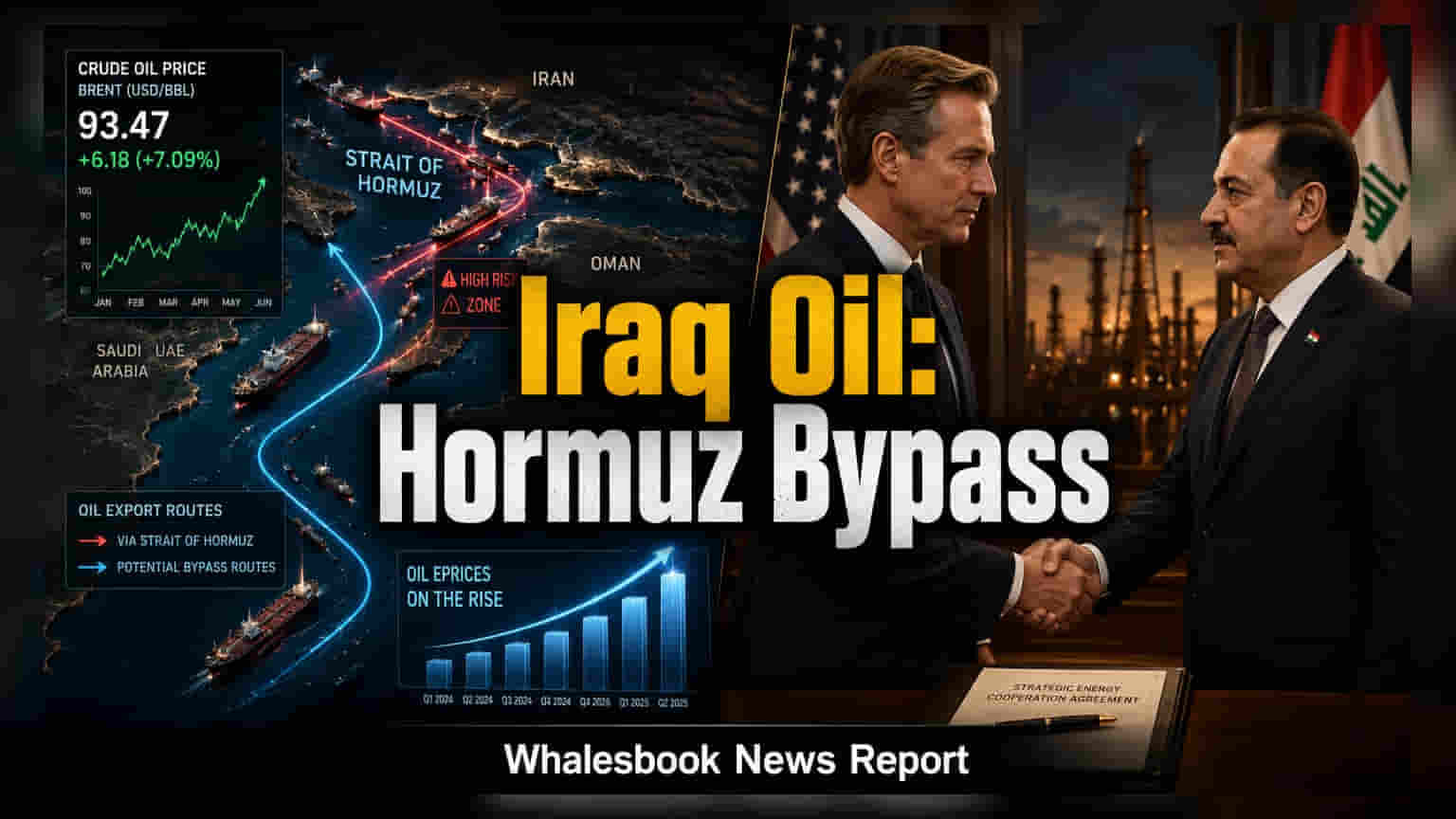
US companies have committed $60 billion to infrastructure and energy projects in Iraq. A key goal is building oil pipelines to bypass the Strait of Hormuz, a critical global shipping chokepoint. This strategy aims to improve regional stability and energy supply security for global markets by 2028.
A consortium of US corporations has entered into agreements worth approximately $60 billion with the Iraqi government to boost development in energy, healthcare, and infrastructure. These pacts, finalized at the US Chamber of Commerce, represent a major effort to diversify Iraq's economic capabilities while addressing long-standing risks to global energy transit.
Strategic Shift in Oil Export Routes
At the core of these investments is a plan to create alternative oil shipping routes that avoid the Strait of Hormuz. This narrow waterway is vital for the global economy, as it facilitates the transit of about one-fifth of the world's total oil supply. By investing in new pipeline infrastructure, these projects aim to provide a reliable export channel for Iraqi oil, potentially reducing reliance on the strait.
Financial analysts suggest that if these pipeline projects are completed, they could eventually divert a significant portion of oil exports—up to 14 million barrels per day—away from the Strait of Hormuz by the end of 2028. However, such large-scale infrastructure projects, which require crossing multiple national borders, involve significant planning and construction phases. Analysts expect these developments to span at least two and a half years before they become fully operational.
Impact on Energy Markets
Geopolitical tensions in the region have historically influenced global energy prices, particularly whenever there are threats to disrupt traffic through the Strait of Hormuz. The current initiative is designed to mitigate the impact of such threats on international markets. Following reports of these agreements and ongoing regional tensions, West Texas Intermediate crude oil prices recently rose by nearly 5% to reach $88 per barrel.
For investors and global energy participants, this move highlights a shift toward long-term infrastructure security. Iraqi Prime Minister Ali Falah al-Zaidi has indicated a preference for sustainable partnerships, with recent high-level discussions in Houston involving major energy players like Chevron. The success of this strategy will depend on the actual speed of project execution and the ability of the involved nations to navigate complex political and logistical landscapes.
The key monitorables for stakeholders in the energy sector will be the project commissioning timelines, the finalization of pipeline routes across participating territories, and how these alternative channels influence global crude oil price volatility over the next few years.