 Whalesbook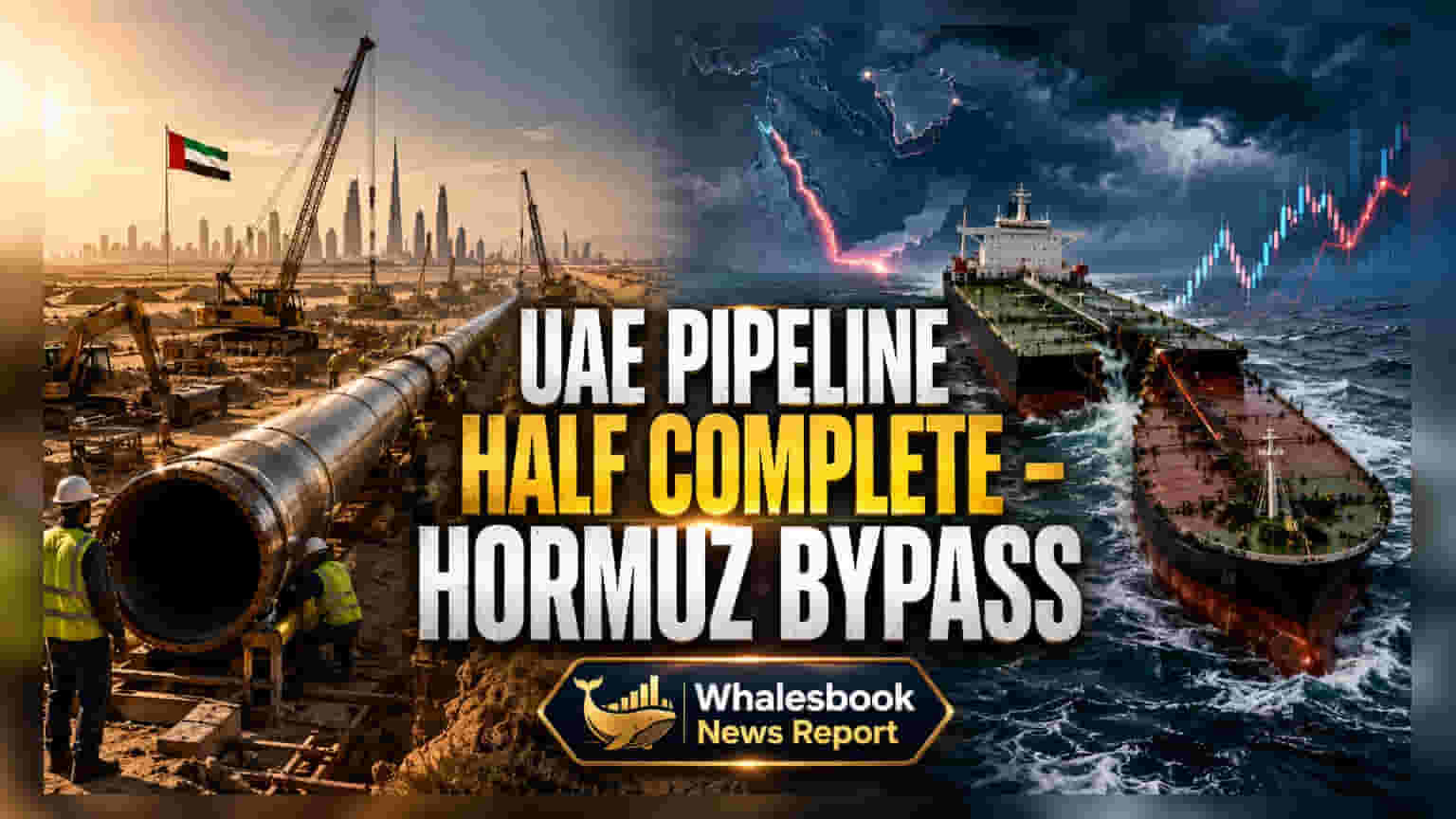


Strategic Energy Diversification Advances
The United Arab Emirates has reached a crucial halfway point in constructing a new pipeline, a key initiative to reroute oil exports and bypass the Strait of Hormuz. This significant infrastructure project, spearheaded by the Abu Dhabi National Oil Company (ADNOC), is poised to substantially increase export capabilities through the port of Fujairah. The advancement occurs against the backdrop of a persistent energy crisis exacerbated by the ongoing blockade of the Strait of Hormuz, a critical global energy transit point.
Capacity Expansion and Operational Timeline
ADNOC CEO Sultan Ahmed Al Jaber announced the project's progress, underscoring its role in enhancing export capacity. The pipeline, scheduled for full operation in 2027, is designed to channel exports directly to the Gulf of Oman. This strategic move will effectively double ADNOC's export capacity, offering a vital alternative to traditional shipping routes. The current energy crisis, triggered by the closure of the Strait of Hormuz in early March, has led to substantial reductions in global oil supply. Reports estimate over a billion barrels have been lost since the blockade began, highlighting the urgency of alternative export solutions. Al Jaber indicated that even an immediate de-escalation would necessitate at least four months to restore 80% of normal oil flow, with full recovery anticipated in 2027.
Geopolitical Ramifications and Competitive Positioning
The blockade of the Strait of Hormuz, which previously facilitated the transit of approximately 20% of the world's oil supply daily, has created a dangerous geopolitical precedent. The existing UAE pipeline to Fujairah has a limited capacity compared to the volume previously moved through the Strait. ADNOC's new pipeline offers a long-term solution to mitigate such supply chain vulnerabilities. While the existing Fujairah pipeline provides some redundancy, the new infrastructure represents a more robust and scalable alternative. Industry analysts note that ADNOC's proactive investment in diversifying export routes positions it favorably against competitors who remain heavily reliant on traditional, more vulnerable maritime passages. This strategic investment also aligns with broader regional efforts to enhance energy security and reduce exposure to geopolitical volatility.
Market Impact and Future Outlook
The progress on the pipeline is seen as a stabilizing factor in the volatile energy market. While the full impact will not be realized until 2027, the tangible steps toward increased export capacity signal a commitment to sustained supply. The energy sector is closely monitoring the situation, with projections suggesting continued price volatility until normal flows are restored. However, ADNOC's strategic infrastructure development aims to insulate its export operations from such disruptions, providing a degree of predictability for its international clientele. The successful completion of this project is expected to reinforce the UAE's position as a reliable global energy supplier.