

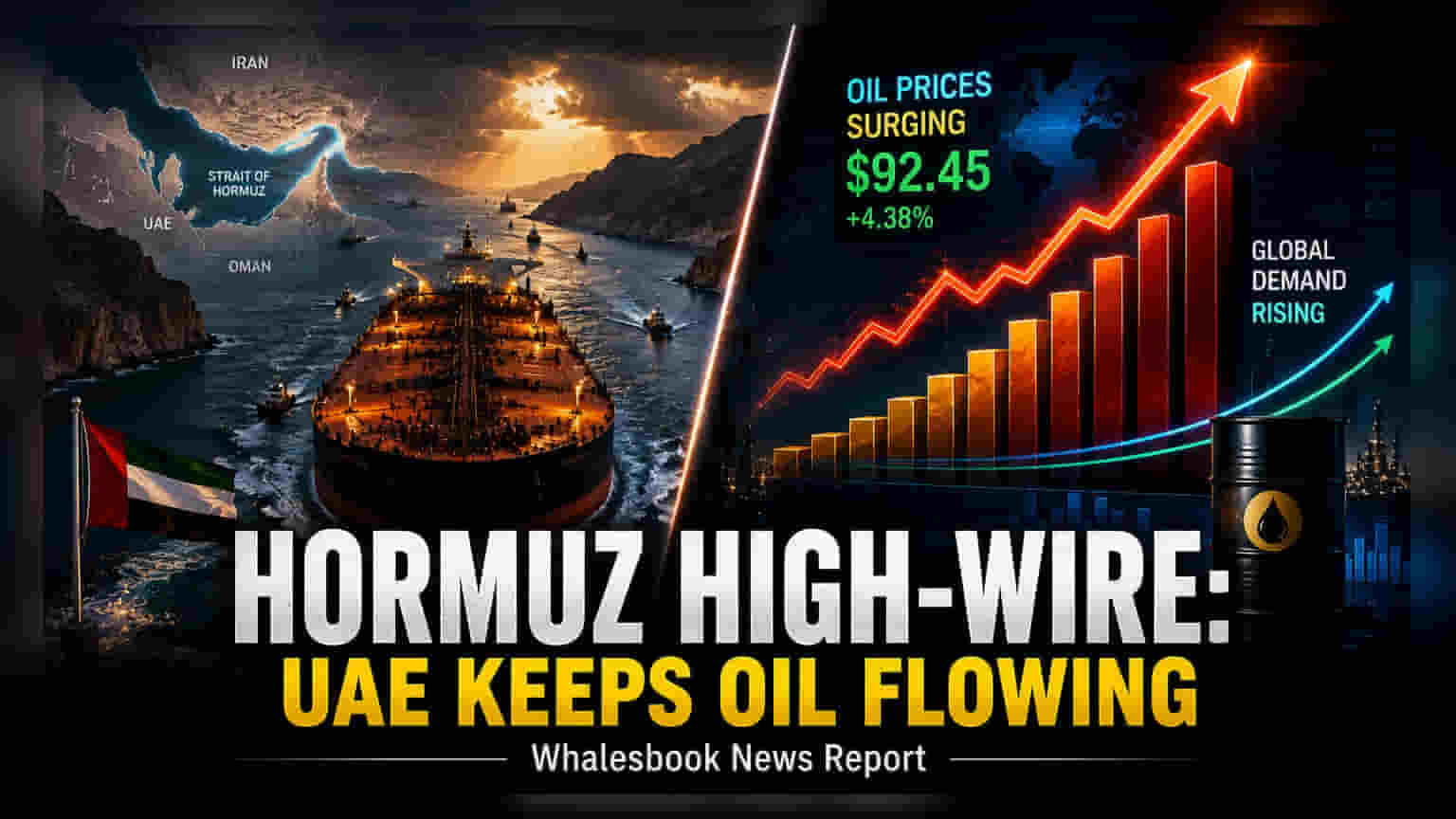
The UAE's state-owned ADNOC is using pipeline bypasses and alternative shipping strategies to keep crude oil moving to Asian markets. This effort helps stabilize global energy prices, while the country accelerates infrastructure projects to reduce reliance on the Strait of Hormuz by 2027.
The United Arab Emirates (UAE) has become a key stabilizer for global oil markets as regional tensions persist in the Strait of Hormuz. Through the state-owned Abu Dhabi National Oil Company (ADNOC), the nation has successfully managed to keep its crude oil exports flowing to key Asian destinations, including Japan and China. By utilizing a mix of advanced logistics and existing pipeline networks, the UAE is countering market fears of a supply shock.
To navigate the risks of moving oil through the Persian Gulf, ADNOC has employed complex shipping strategies. This includes vessels operating with transponders turned off to maintain security while moving through sensitive areas. More importantly, the UAE has relied on the Habshan-Fujairah pipeline, which allows oil to be transported directly to the coast of the Gulf of Oman, bypassing the Strait of Hormuz entirely. This infrastructure acts as a vital insurance policy for global energy security.
Looking ahead, the UAE is working to strengthen its supply chain further. The nation is currently accelerating the construction of pipeline infrastructure aimed at doubling export capacity through the port of Fujairah by 2027. This long-term project is intended to make the country's energy exports less vulnerable to maritime disruptions in the future. Additionally, ADNOC is updating its market approach, with plans to shift its crude oil pricing methodology from Murban futures to a prompt-month Platts Dubai benchmark starting November 1, 2026.
These maneuvers have helped keep global oil prices relatively steady, with the Brent crude benchmark recently trading in the $79 to $84 per barrel range. For Asian refiners, who depend heavily on Middle Eastern crude, the UAE’s ability to sustain supply is essential. This stability is particularly important as other traditional routes, such as the Red Sea, have faced disruptions from militant activity, making the UAE’s bypass routes even more critical.
Despite these efforts, significant risks remain. The ongoing geopolitical tension between the U.S. and Iran means that the situation in the Strait of Hormuz remains unpredictable. While current workarounds are effective, a major escalation in the region could test the limits of these unconventional shipping methods. Investors and market observers should monitor the progress of the Fujairah infrastructure expansion and any new updates regarding regional diplomatic stability, as these will dictate how effectively the UAE can continue to provide this critical buffer to the global energy market.