

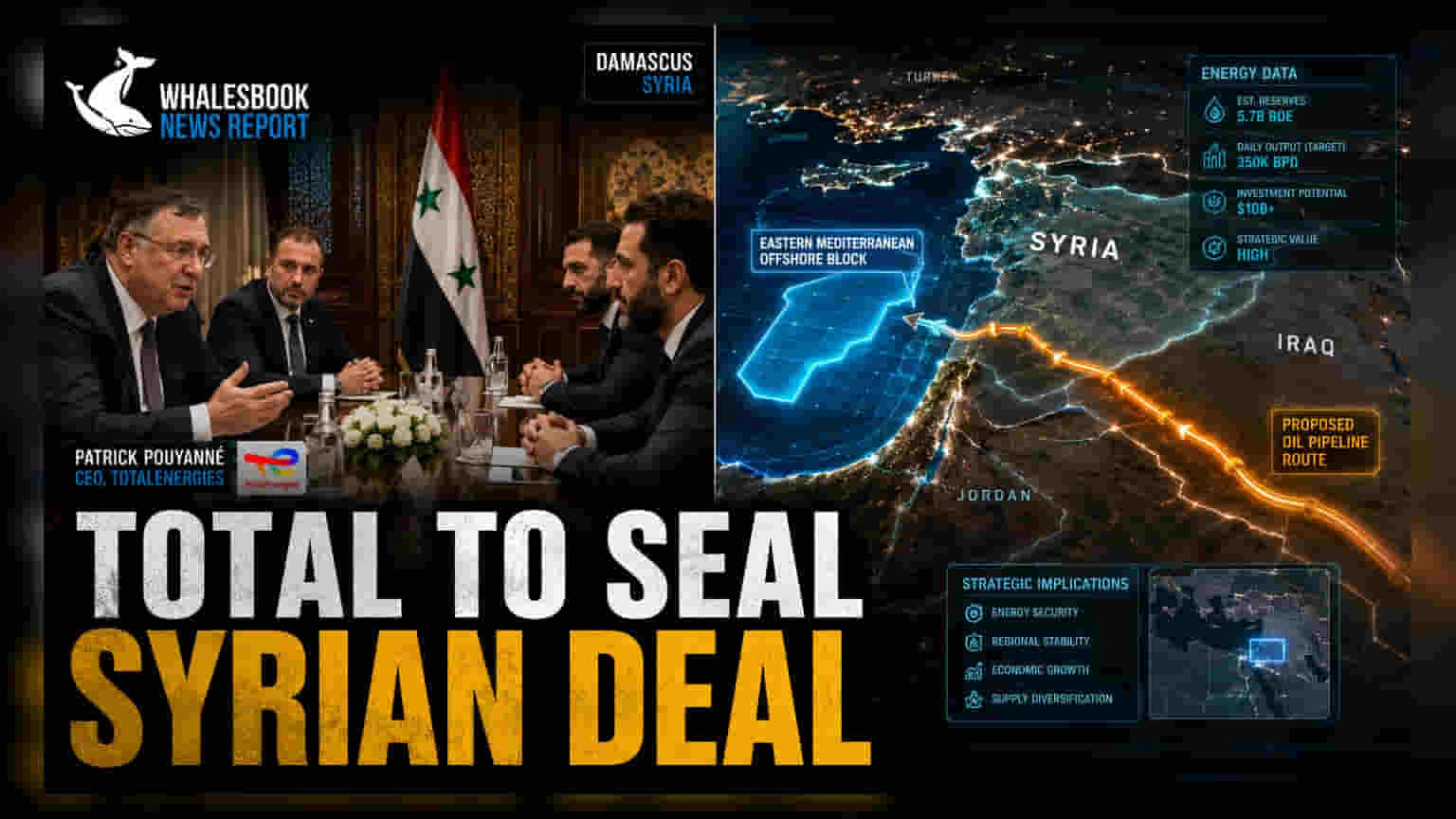
TotalEnergies CEO Patrick Pouyanne is in Damascus to negotiate a contract for an unexplored offshore Mediterranean block. The company is also evaluating Syria as a strategic transit route for Iraqi oil, aiming to reduce dependence on the Strait of Hormuz. Investors should note that operating in Syria involves significant geopolitical risks that could affect project stability.
TotalEnergies, the French energy giant, has initiated high-level discussions in Syria as it looks to secure an exploration contract for a largely untapped offshore block in the Mediterranean Sea. CEO Patrick Pouyanne’s visit to Damascus follows a memorandum of understanding signed in May with the Syrian Petroleum Company. This step marks a potential return to active exploration in a region that has remained historically underexplored for hydrocarbon reserves.
Strategic Interest in Regional Logistics
Beyond direct exploration, the company is evaluating Syria’s potential as a critical transit route for oil production from Iraq. By exploring the feasibility of building new pipelines through Syrian territory, TotalEnergies aims to create an alternative to the Strait of Hormuz. This logistical strategy is intended to provide a bypass for crude transport, which is currently subject to regional geopolitical tensions. Successfully establishing such a route would be a significant development for global oil logistics, though it faces complex regional implementation challenges.
Challenges and Exploration Risks
While the company is seeking new resource opportunities, the move highlights the business uncertainties associated with operating in volatile regions. The Eastern Mediterranean has seen successful gas discoveries in neighbouring Cyprus and Israel, but it remains to be seen if similar results can be replicated in Syrian waters. Furthermore, the company must navigate a challenging political and security landscape in Syria. For shareholders, these geopolitical risks mean that project timelines, investment safety, and regulatory stability are less predictable compared to operations in more stable jurisdictions.
Next Steps for Monitoring
Investors tracking this development should look for formal updates regarding the finalization of the exploration contract and any specific agreements concerning the proposed pipeline infrastructure. Because these projects involve long-term capital spending and cross-border logistical cooperation, the key monitorables will be the company's ability to secure reliable security guarantees, obtain necessary international regulatory approvals, and manage the high execution risks inherent in such a complex regional project.