

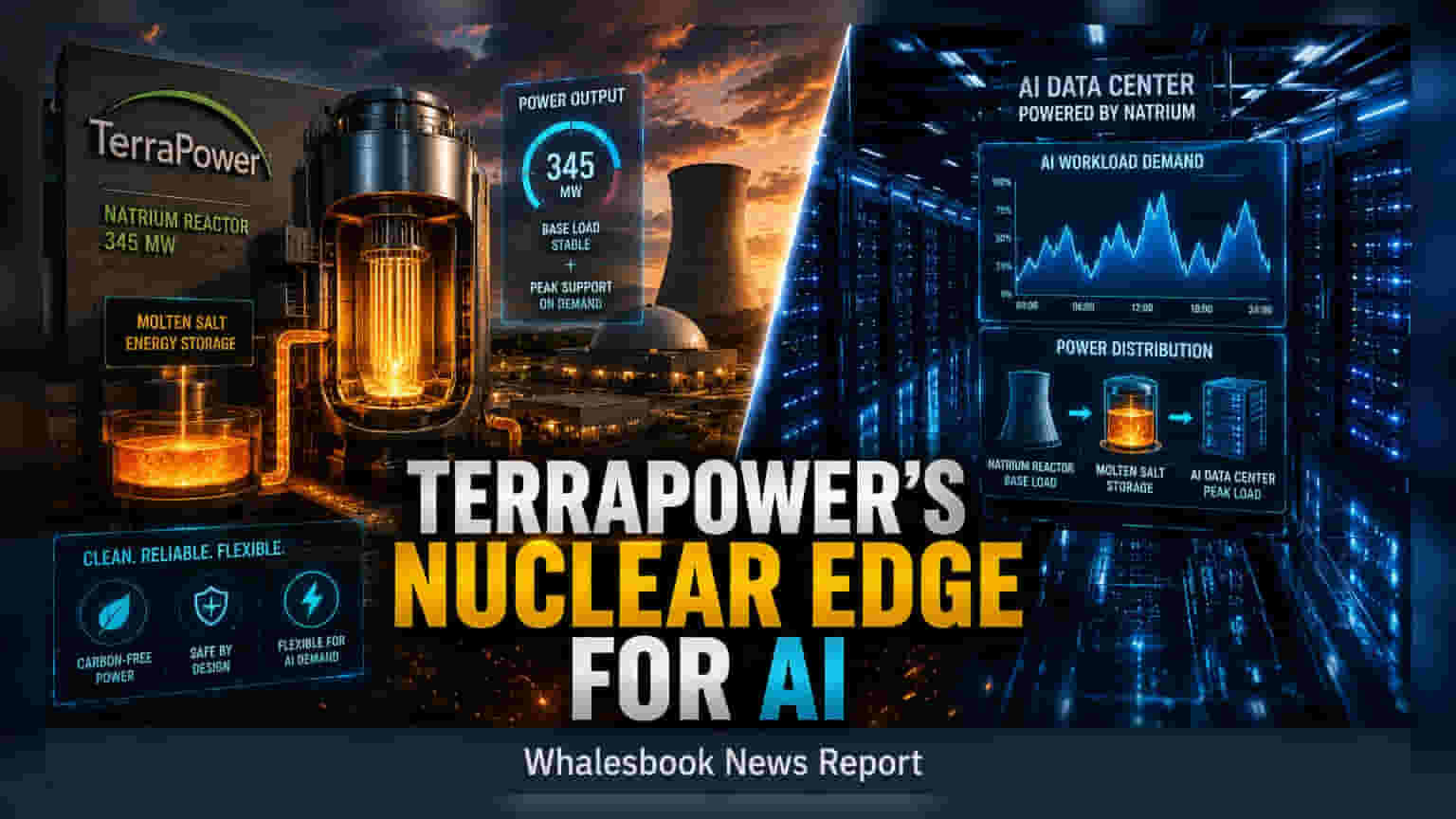
TerraPower, backed by Bill Gates, is developing a nuclear-powered data center to address the massive energy needs of AI. The project utilizes Natrium reactor technology with molten salt storage to handle fluctuating power demands. As a private entity, it offers no direct investment path for Indian retail investors, but its strategy highlights a major global shift in energy infrastructure for the tech sector.
TerraPower, the nuclear energy company founded by Bill Gates, is planning to unveil a data center project later this year. This move is part of the company's broader strategy to use its advanced nuclear technology to satisfy the immense and growing energy requirements of Artificial Intelligence infrastructure. While the specific customer for this data center has not been named, the initiative underscores the tech industry's search for reliable, carbon-free, and flexible power sources.
The Molten Salt Energy Edge
The core of TerraPower's approach is its 345-megawatt Natrium reactor. Unlike traditional nuclear plants that operate at a steady output, the Natrium design includes an integrated energy storage system. This system uses molten salt to hold excess heat from the nuclear fission process. When power demand from a data center spikes—a frequent occurrence with AI training and processing workloads—this stored heat is converted into steam to generate extra electricity. This flexibility allows the reactor to maintain consistent operation while meeting the rapid, unpredictable energy needs of modern data centers.
Expansion and Global Partnerships
TerraPower is currently building its first commercial-scale Natrium plant in Kemmerer, Wyoming. This initial project serves as the foundation for the company's future deployments. To support its scaling efforts, TerraPower has entered into strategic agreements with international engineering firms, including Hyundai Engineering & Construction and SK Innovation. These partnerships are designed to assist with the commercialization and construction of additional Natrium reactors, aiming to bring this technology to markets in the United States, South Korea, and other regions.
Challenges and Execution Risks
For investors monitoring the energy and technology sectors, it is important to recognize the hurdles facing this project. TerraPower is a privately held company, meaning it is not listed on the National Stock Exchange (NSE) or the Bombay Stock Exchange (BSE), and shares are not available for public trading. Furthermore, the technology is considered 'first-of-a-kind,' meaning it has yet to be proven at a commercial scale. Projects of this nature face significant risks, including regulatory approval processes, long construction timelines, and the need for high levels of capital investment. Success depends on the company's ability to navigate the complex safety and licensing requirements set by nuclear regulators.
What to Monitor Next
While Indian investors cannot invest directly in TerraPower, the company's progress is a bellwether for the global energy transition. The next key event to track will be the official unveiling of the data center project, expected before the end of 2026. Market observers should also monitor the progress of the Wyoming plant construction and any updates on regulatory clearances. These developments will provide insights into the viability of advanced nuclear power as a primary energy solution for the growing global AI infrastructure market.