

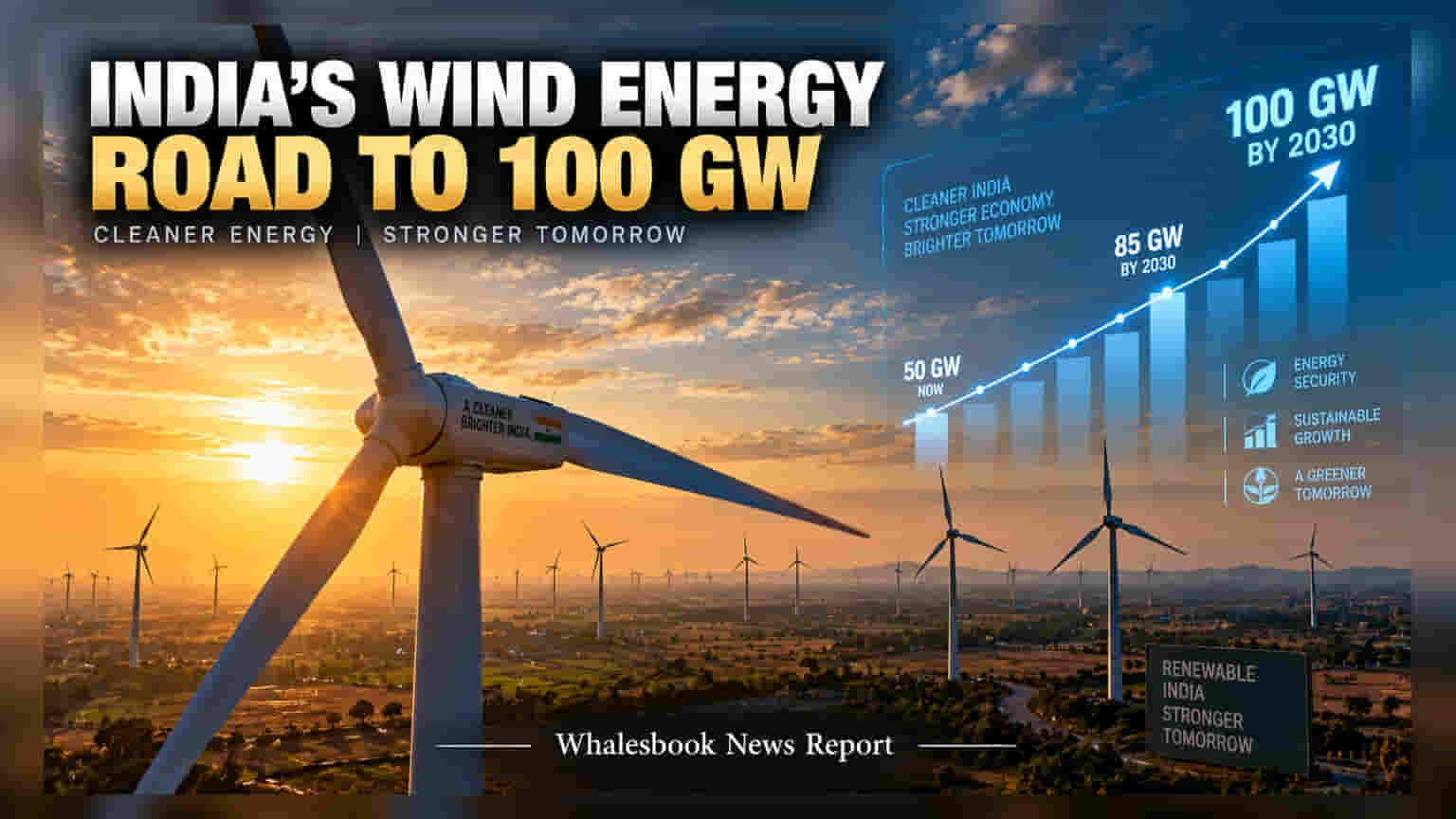
Girish Tanti of Suzlon Energy believes India can reach 85 GW of wind capacity by 2030, keeping the 100 GW government target in sight. However, developers continue to face challenges with grid connectivity and delays in signing power purchase agreements. Investors should watch for improvements in transmission infrastructure and state utility payments as these remain critical for project financing and speed.
India is working toward a national target of 100 GW of wind energy capacity by 2030, a significant jump from the current installed base of approximately 50 GW. Girish Tanti, co-founder of Suzlon Energy, recently stated that the industry is on a path to reach 85 GW by the end of the decade. This progress is backed by ongoing project developments and active government auctions. While the 15 GW gap to reach the full target remains, industry players expect upcoming bidding cycles to help cover the distance over the next five years.
Despite the growth, the sector faces two primary operational hurdles that often dictate the speed of new projects: grid infrastructure and power purchase agreements. The current electricity grid was historically designed for stable power from large thermal plants. It often lacks the flexibility to manage the fluctuating supply that comes from wind and solar sources. This creates a technical mismatch, often leading to situations where wind farms are built, but the transmission lines needed to carry that electricity to the main grid are delayed or insufficient.
Another significant risk for developers is the delay in signing power purchase agreements with state distribution companies. These agreements are essential contracts that guarantee the sale of electricity at a fixed price. When these contracts are delayed, it creates uncertainty for developers and banks, making it harder to secure the loans needed to fund projects. Without a signed contract, the financial viability of a wind farm remains unclear, which can stall execution even after a project is won in an auction.
For investors, these challenges explain why the pace of capacity addition does not always match the pace of contract awards. Suzlon Energy and its peers are currently focusing on executing their existing order books while managing the risks related to these bottlenecks. Companies with stronger balance sheets and better project execution track records are generally better positioned to handle these delays, as they have more flexibility to manage cash flow while waiting for projects to clear administrative hurdles.
Looking ahead, the long-term potential for wind energy remains tied to the government’s transition toward greener power sources. Industry stakeholders are already discussing more ambitious targets for 2047, which could require even larger investments in grid modernization. The most important monitorables for the sector remain the pace of transmission line commissioning by the Power Grid Corporation and the financial health of state discoms, as these two factors will determine if the 2030 capacity goal is met.