

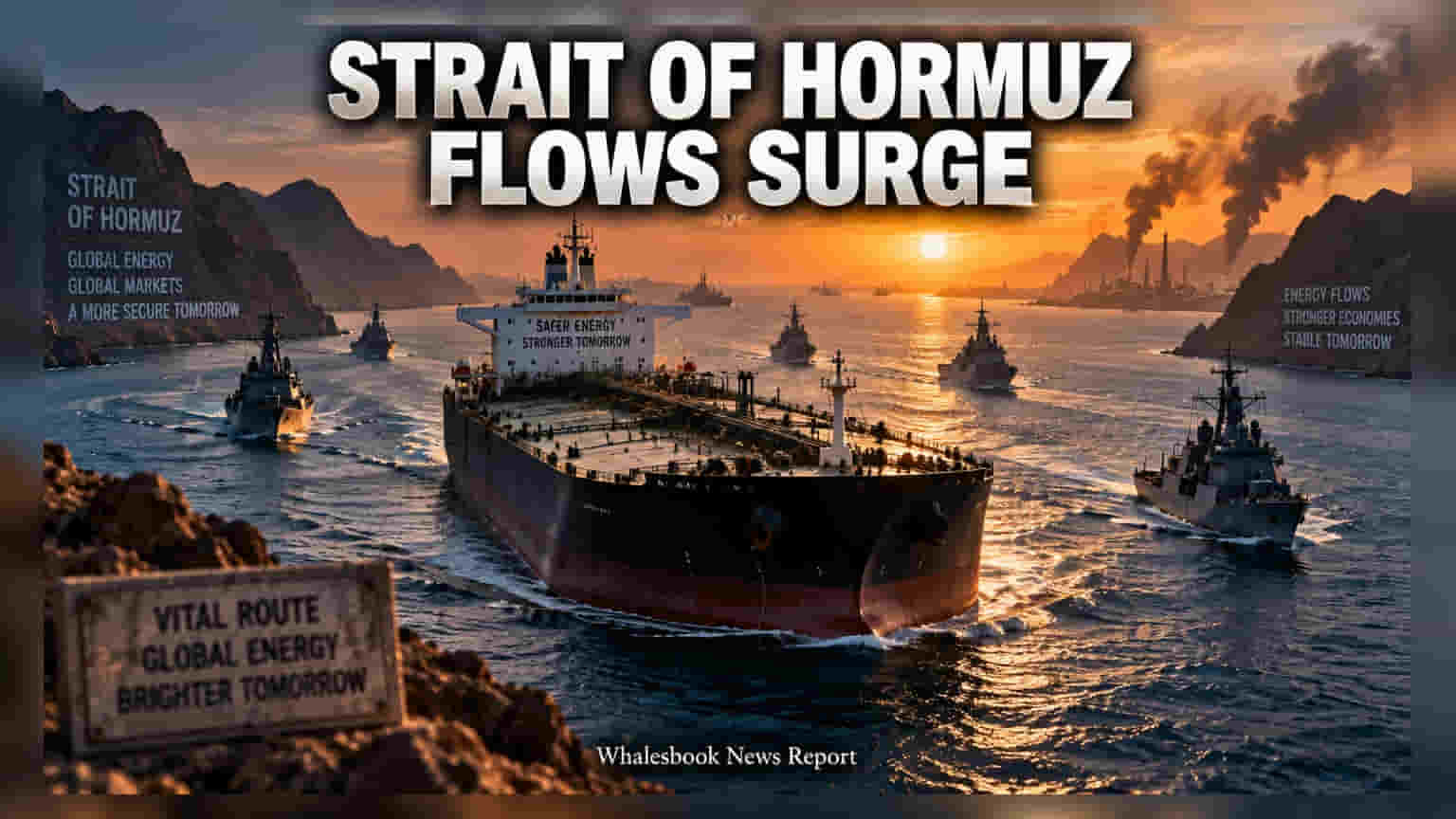
Oil and liquefied natural gas transit through the Strait of Hormuz has reached a six-month high, supported by increased naval security. This stability is critical for global supply and may help manage price volatility for Indian energy importers and oil marketing companies.
Oil and liquefied natural gas shipments through the Strait of Hormuz have reached a six-month high, providing relief for global energy supply chains. This increase follows intensified naval operations in the region, which have helped secure transit lanes. Approximately 10 million barrels of crude oil and petroleum products pass through this waterway daily, making it a critical choke point for the global energy market.
For Indian investors, the stability of this route is significant. India relies heavily on crude oil imports from the Middle East to meet its domestic energy needs. When transit volumes through the Strait of Hormuz are consistent, it reduces the risk of supply shocks that could otherwise spike global oil prices. A stable supply environment generally benefits Indian Oil Marketing Companies, such as Indian Oil Corporation, Bharat Petroleum, and Hindustan Petroleum, as it allows for better inventory planning and can reduce the pressure on fuel cost management.
Despite the recent rise in shipping volumes, regional security remains a concern. There are ongoing reports of infrastructure threats in Saudi Arabia, including security alerts related to energy facilities. Investors should be aware that while the immediate flow of oil has improved, the geopolitical situation in the Middle East remains fluid. Any escalation in conflict could still pose a risk to these supply routes, leading to potential volatility in Brent crude prices.
The ongoing US-led naval presence aims to keep these essential channels open, but the region requires close monitoring. The primary indicator for investors will be global crude oil price movements and any official updates regarding supply chain disruptions in the Persian Gulf. Sustained, safe passage is essential for keeping energy costs predictable, which in turn influences inflation and economic activity in energy-importing nations like India.