

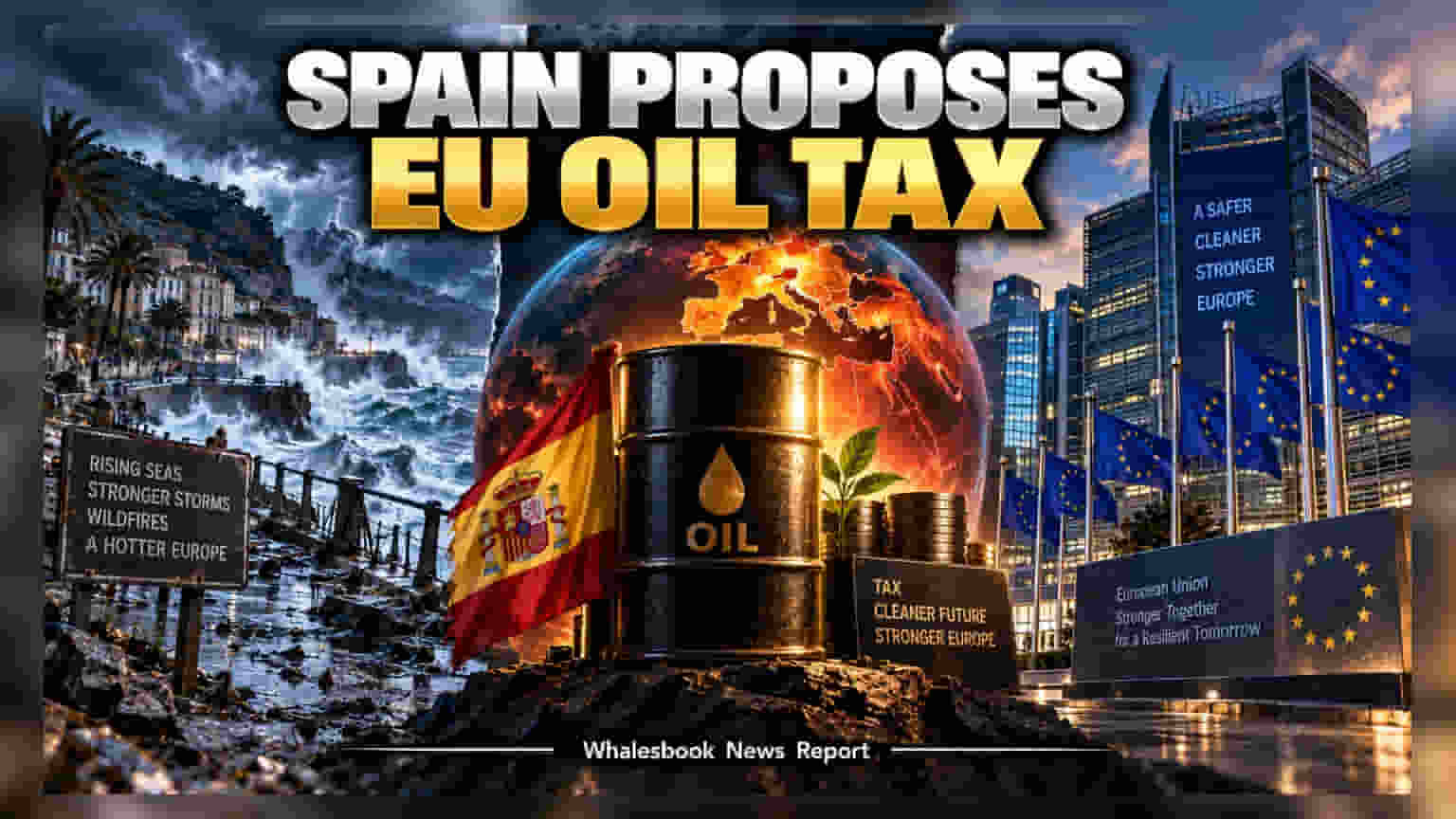
Spain and a coalition of five other European nations are urging the EU to implement a permanent windfall tax on oil and gas company profits. Driven by high energy margins following the Strait of Hormuz blockade, the proposal seeks to fund climate resilience. Finance ministers are set to debate the fiscal plan in Dublin on September 18–19, 2026.
Spain is leading a diplomatic effort to change how the European Union manages energy sector taxation. In a formal submission, Spain, along with Germany, Austria, Italy, Poland, and Portugal, is calling for a permanent, bloc-wide levy on the profits of oil and gas companies. This proposal aims to establish a dedicated fund to pay for climate adaptation, such as infrastructure protection against droughts and wildfires, which have caused over €50 billion in damages across Europe in recent years.
The push for this tax comes as energy firms report strong margins, fueled by supply disruptions linked to the ongoing blockade of the Strait of Hormuz that began in February 2026. Proponents argue that a portion of these extraordinary gains should be redirected to strengthen the region against climate-related economic risks, which could otherwise lead to a significant drop in GDP by 2050 if left unaddressed. Madrid is also suggesting that the EU should mandate climate-resilient engineering standards for all future infrastructure projects to better withstand extreme weather.
This initiative faces a difficult path to implementation. The European Commission has historically viewed windfall taxes as a matter of national policy rather than a collective EU responsibility. While individual countries have implemented their own levies, a unified, bloc-wide framework remains a point of tension between the European Commission and the coalition of six member states. Industry leaders have warned that a permanent tax could negatively impact long-term capital investment and energy security, as companies may choose to divert funds to more stable regions.
The debate is expected to intensify when European finance ministers gather for an informal meeting in Dublin on September 18 and 19. For investors, this creates an environment of policy uncertainty. Any move toward a standardized EU windfall tax could directly affect the profitability and cash flow of energy companies operating in the region. Market participants will be watching the outcome of the Dublin meeting to see if the coalition can gain enough support to shift the Commission’s position or if the proposal will result in narrower, national-level measures instead.
The key monitorable for the energy sector will be whether the European Commission changes its stance on the limits of its fiscal authority or if it offers a compromise that balances climate funding needs with industry demands for investment stability. Until a clear framework is announced, the regulatory landscape for energy companies remains subject to political negotiation.