 Whalesbook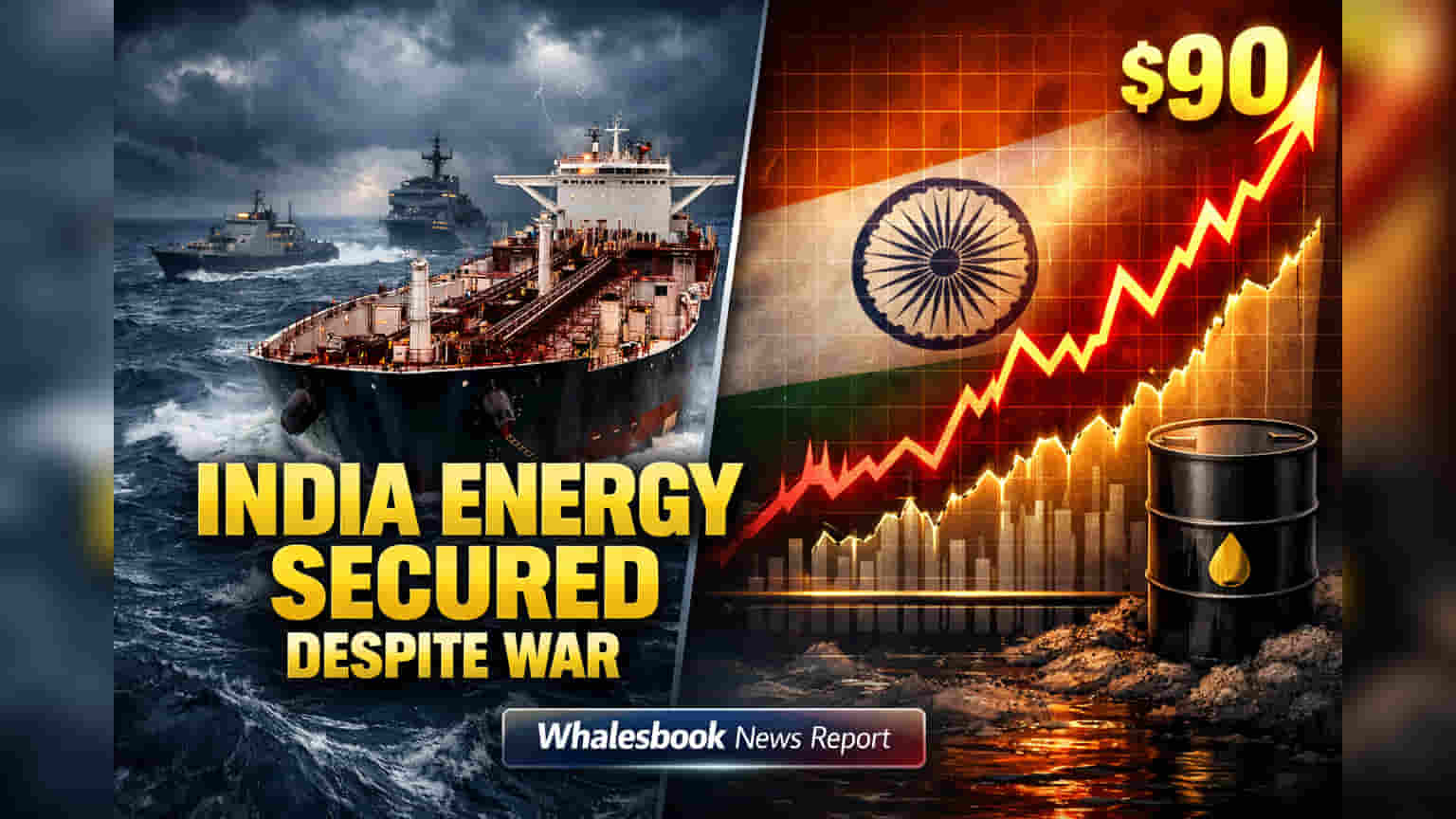


Smyrni Tanker's Risky Passage Through Hormuz
The crude oil tanker Smyrni arrived in Indian waters carrying one million barrels of Saudi Arabian crude, demonstrating the risk management of shipping firms operating in a tense geopolitical climate. Its successful passage through the Strait of Hormuz, which typically handles a fifth of global oil and LNG flows, shows a critical but costly way to secure energy supplies during intense conflict that has stopped most commercial traffic. Vessel movements through this chokepoint have plummeted, with few merchant ships transiting since late February. To avoid detection, the tanker reportedly switched off its Automatic Identification System (AIS) transponder before clearing the waterway, a tactic known as "going dark." This maneuver, while potentially shielding vessels, adds opacity to an already tense situation.
Soaring Costs and Market Impact
The escalating conflict has sent oil prices above $100 per barrel, with Brent crude reaching $103.82 on March 15, 2026. Beyond commodity prices, the cost of ensuring safe passage has dramatically increased. War-risk insurance premiums have seen exponential rises, with some reports indicating hikes of over 1000%. For large oil tankers, this means potentially millions of dollars in additional premiums per transit, significantly inflating energy transport costs. This financial burden is a direct result of heightened geopolitical risk, leading many insurers to withdraw coverage or demand substantially higher rates for vessels entering the Persian Gulf.
India's Energy Strategy Amidst Disruption
India, which relies heavily on the Strait of Hormuz for approximately 2.5-2.7 million barrels of crude imports daily and substantial percentages of its LNG (60%) and LPG (90%) supplies, has been working to diversify its energy sources. Imports from Russia and the US have increased, but West Asia remains a core part of its energy imports. The government has expanded its crude oil import agreements to include around 40 countries, up from 27 previously. This strategy aims to reduce the impact of disruptions in any single region, though it cannot fully shield India from price shocks stemming from events like the Strait of Hormuz closure.
Underlying Vulnerabilities and Long-Term Risks
While the Smyrni's transit was a tactical success, it reveals underlying vulnerabilities. The "going dark" strategy, though necessary for survival, reduces transparency and makes it harder to track incidents, which could complicate rescue and investigation efforts. Using foreign-flagged vessels, though practical, can add complexity to diplomatic and security issues. The surge in war-risk insurance premiums is a significant ongoing cost that will likely be passed on, contributing to global inflation and straining India's import costs. The situation also highlights the structural risk of relying heavily on a single supply route; around 52% of India's crude imports traditionally pass through the Strait of Hormuz, a dependency that remains a major vulnerability despite diversification efforts. Any prolonged conflict or escalation that further disrupts this chokepoint could lead to price volatility and potential physical shortages, especially for essential goods like LPG. The insurance market's withdrawal of coverage in key areas indicates serious risk concerns from insurers, meaning even state backing might not fully resolve the long-term financial and operational instability for shippers and cargo owners.
India's Path to Energy Security
India's energy security strategy is changing. Beyond diversifying suppliers, the nation is speeding up its shift to alternative energy, with major investments in renewable power. The government's focus remains on maintaining stable domestic fuel availability through strong inventory management and ensuring affordability for consumers, even if it means absorbing some increased import costs. However, the long-term solution depends on reducing dependence on volatile regions and building a more independent energy system that can withstand global geopolitical shocks.