

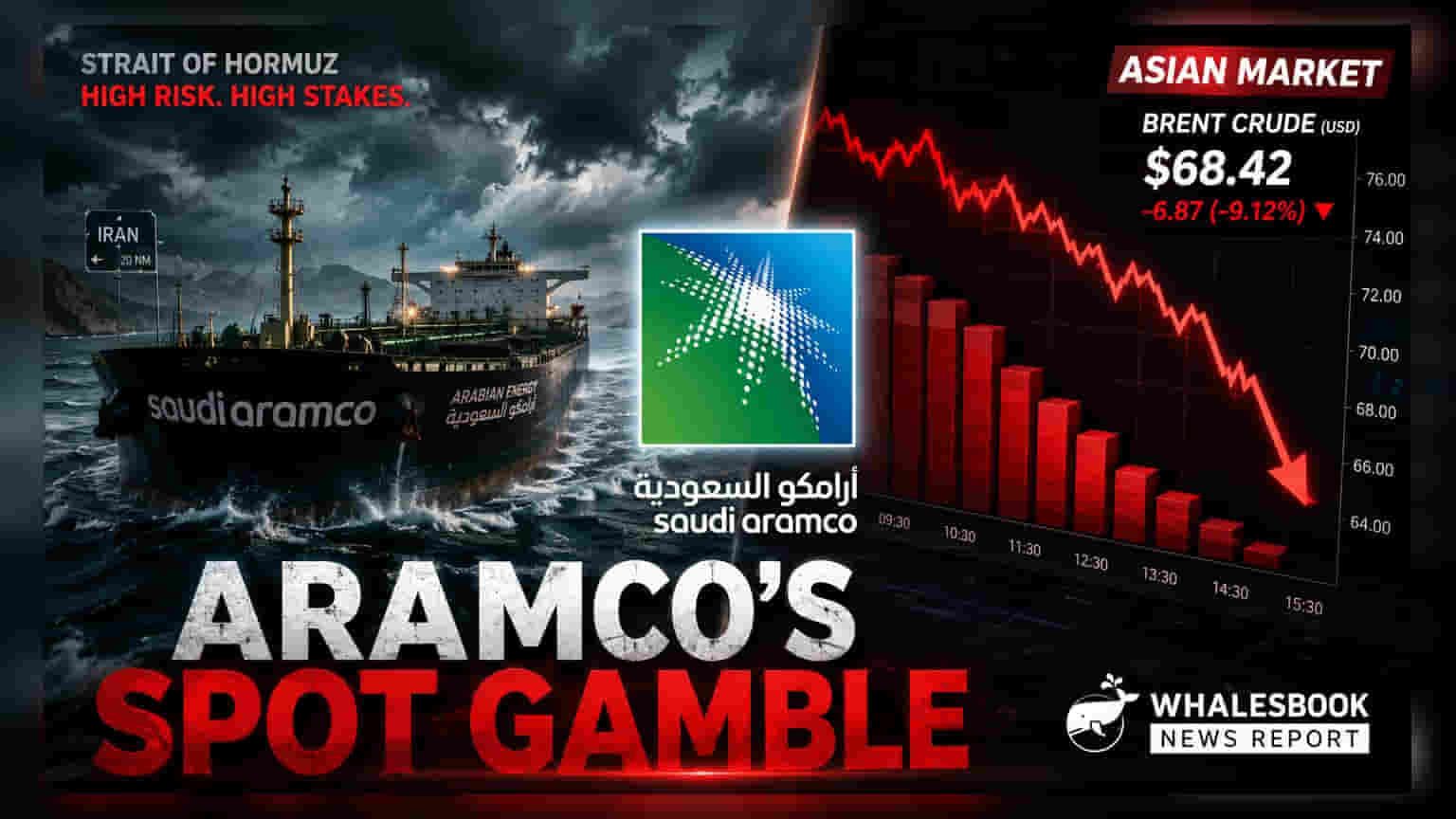
Saudi Aramco has restarted oil exports from its Ras Tanura port after a four-month pause and is now offering crude on a spot-pricing basis. This move to clear inventory amidst rising competition signals potential weakness in global oil demand. For Indian investors, the impact will be felt by oil marketing companies benefiting from lower import costs, while upstream producers may face pressure on earnings.
What Happened
Saudi Aramco, the world’s largest oil exporter, has resumed operations at the Ras Tanura port following an unexpected four-month halt. According to shipping data, at least five supertankers carrying a total of 10 million barrels of crude have departed the facility, which serves as a major hub on Saudi Arabia’s eastern coast. Alongside this restart, the company has begun offering crude to Asian customers on a spot-pricing basis. This is a significant change from its long-standing reliance on fixed monthly contract prices, known as Official Selling Prices (OSPs).
The Shift to Spot Sales
The move to spot pricing indicates that Saudi Aramco is aggressively trying to gain market share and clear its inventory. Traditionally, the company dictates prices through long-term contracts. However, with global Brent crude prices dropping to approximately $70 per barrel, down from nearly $120 earlier in the year, the market is facing stiff competition. By offering oil on a spot basis, Saudi Aramco can price its crude more competitively to attract buyers, particularly in major markets like China, which have been receiving discounted supplies from other regions.
Impact on Indian Investors
The price of crude oil is a major factor for the Indian stock market, affecting various sectors differently. For Indian Oil Marketing Companies (OMCs) like Indian Oil Corporation (IOCL), Bharat Petroleum (BPCL), and Hindustan Petroleum (HPCL), lower global crude prices can be positive. These companies import a significant portion of their crude requirements, so a reduction in global prices can potentially improve their Gross Refining Margins (GRMs), provided they can pass on the benefits or maintain stability in retail fuel pricing.
Conversely, domestic upstream companies like ONGC and Oil India may feel the heat. When global crude prices decline, the realization—the final price these companies receive for the oil they extract—usually drops, which can weigh on their quarterly profit margins.
Why Global Demand Matters
The decision to shift to spot sales highlights a potential cooling in global energy demand. If the world’s largest exporter is finding it necessary to bypass traditional contracts to secure buyers, it suggests that the market is currently oversupplied or that demand from large economies is slowing down. This creates a challenging environment for global energy producers.
Risks and Monitoring
While the resumption of exports is a return to normalcy, the underlying reason for the four-month pause—which reportedly involved geopolitical tensions and regional conflicts—remains a risk factor. Any further escalation in the Middle East could disrupt supply chains again, leading to sudden price volatility.
Investors should monitor Brent crude price trends closely. Furthermore, they should watch for management commentary from Indian OMCs regarding their refining margins and inventory valuation in upcoming quarterly results. The ability of these companies to manage fuel pricing in a fluctuating commodity environment remains a key factor to track.