

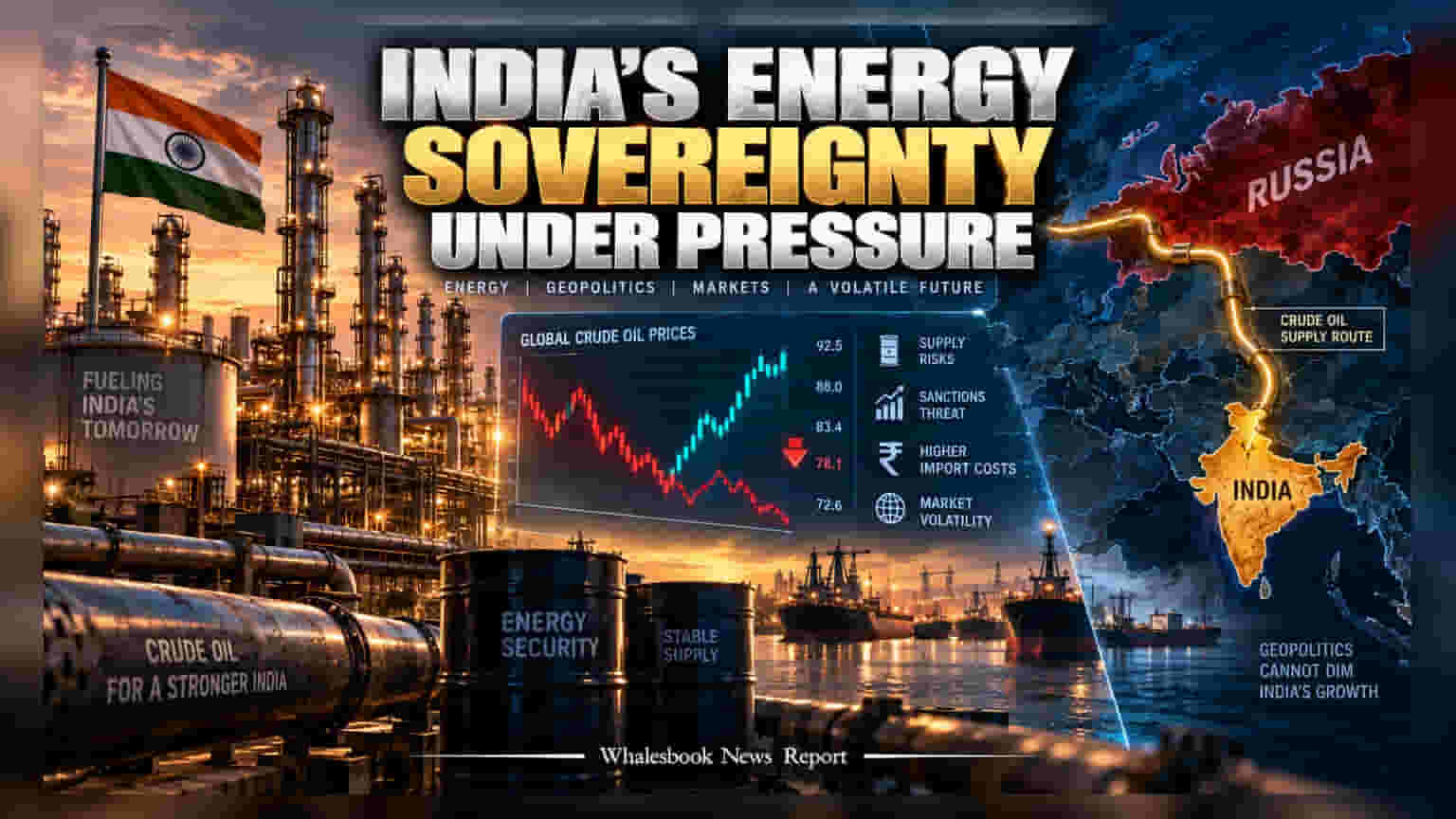
Russian Ambassador Denis Alipov has defended India’s crude oil imports as a move for national welfare, not political alignment. This comes as the US weighs a bill to impose heavy tariffs on countries importing Russian energy. Investors are watching the situation closely, as any shift in import policies or US trade barriers could impact energy costs and the profit margins of India's major oil marketing companies.
Russian Ambassador to India, Denis Alipov, has firmly defended India’s continued purchase of Russian crude oil. He described the trade relationship as a pragmatic necessity for India’s development rather than a sign of political support for Moscow’s geopolitical agenda. This defense comes at a sensitive time as Washington considers new legislative action, specifically the proposed 'Sanctioning Russia and Iran Act of 2026,' which could impose tariffs of up to 100% on nations that continue to import significant volumes of Russian energy.
The Impact of Energy Logistics
While the diplomatic discourse remains intense, recent trade data reveals a shift in import volumes. In August 2026, India’s imports of Russian crude oil declined by approximately 26% compared to the previous month. Analysts attribute this dip primarily to supply-side constraints, such as maintenance at Russian refineries, increased competition for supplies from China, and logistical disruptions caused by regional instability. Despite this decrease, Russia maintains its position as India’s dominant supplier, accounting for roughly 45% of the total crude import basket.
Why Investors Are Watching
For Indian investors, the primary concern is the potential impact of these geopolitical tensions on the energy sector. India relies heavily on imported crude to meet domestic demand. Any move by the US to impose harsh tariffs could force India to pivot toward more expensive sources, which would drive up the national import bill and increase costs for oil marketing companies like Indian Oil Corporation, Bharat Petroleum, and Hindustan Petroleum.
Higher procurement costs can put significant pressure on the profit margins of these companies, especially if they are unable to pass the entire cost burden to consumers due to regulatory or social considerations. Additionally, any major shift in supply chains creates uncertainty, which often impacts market sentiment regarding energy-dependent sectors. While India has repeatedly emphasized that it will not compromise on its energy security for the foreign policy objectives of other nations, the risk of a trade clash remains a key factor to monitor.
Potential Risks and Next Steps
Beyond the diplomatic rhetoric, the actual enforcement of US tariffs remains the critical uncertainty. If the proposed legislation moves forward, it could create a significant trade hurdle. Investors should continue to track developments regarding US legislative actions, as well as monthly updates on crude import volumes and pricing. The ability of Indian energy companies to navigate potential supply chain adjustments—or maintain access to discounted crude—will be a defining factor for their future profitability and stock performance.