 Whalesbook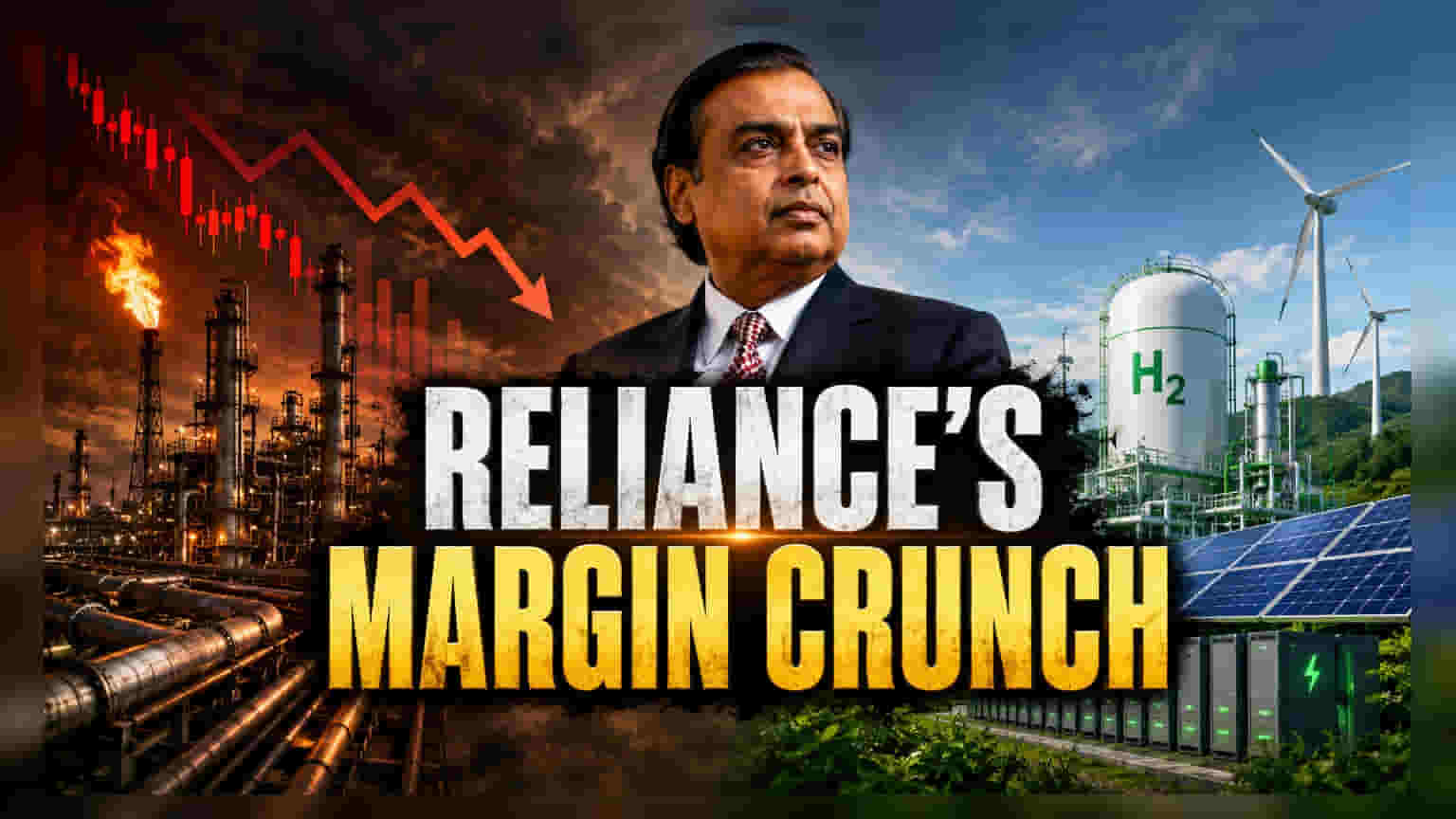


The Structural Margin Compression
The identified 5% decline in global gasoline consumption represents more than a cyclical fluctuation; it signals a definitive shift in the refining economics that historically anchored Reliance Industries' valuation. While the Oil-to-Chemicals segment has traditionally served as the group's profit engine, the current demand environment suggests that the crack spreads—the difference between the price of crude oil and finished products—are under sustained pressure. Unlike competitors who remain tethered to upstream exploration risks, Reliance is currently navigating a transition where its massive Jamnagar refining complex must contend with an accelerating global mandate for fuel efficiency and electric vehicle penetration.
The Competitive Valuation Gap
When benchmarked against global peers like Valero or Saudi Aramco, Reliance’s strategic reliance on domestic retail and digital services provides a non-correlated revenue hedge that pure-play refiners lack. While pure-play energy firms are currently witnessing valuation multiples contract alongside oil prices, Reliance maintains a premium derived from its retail and telecommunications ecosystem. Investors must weigh the volatility of the O2C margin against the consistent, albeit capital-intensive, growth of the green energy vertical. The market is currently pricing in a cautious outlook, reflecting the inherent difficulty of scaling solar and battery manufacturing to offset the high-margin cash flows generated by traditional hydrocarbon processing.
The Forensic Bear Case
Investors should remain wary of the significant capital expenditure required for the green energy transition. Critics often point to the heavy debt burden associated with funding aggressive, multi-year infrastructure projects in a high-interest-rate environment. There is also the operational risk inherent in pivoting a conglomerate that has historically optimized for oil throughput toward complex, hardware-heavy new energy technologies. Furthermore, any failure to achieve competitive unit costs in green hydrogen production could leave the company over-leveraged and exposed to a declining fossil fuel market without a fully optimized successor revenue stream. The reliance on heavy, upfront R&D investment creates a potential liquidity trap if consumer demand for transition-related energy products fails to scale in tandem with internal production targets.
Navigating the Transition Path
Moving forward, the focus shifts to quarterly margin updates rather than mere top-line growth. As the global energy mix continues to pivot, the company’s ability to maintain its Return on Invested Capital (ROIC) while funding its massive capital intensity will be the ultimate metric for institutional support. Analysts are tracking whether the conglomerate can successfully reallocate its refining profits toward its emerging solar and hydrogen business units without cannibalizing shareholder returns or triggering credit rating adjustments.