 Whalesbook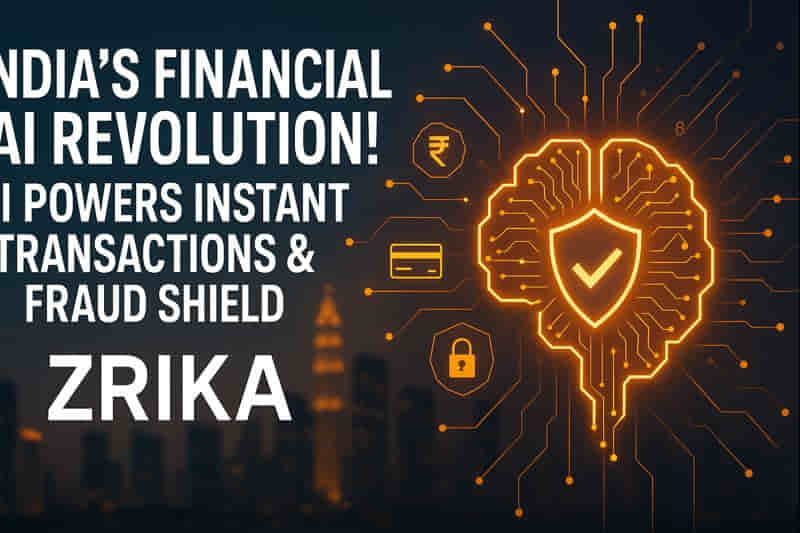
India's Financial System Undergoes Silent Revolution
The financial architecture of India is undergoing a profound, albeit subtle, transformation. This evolution is not marked by grand policy pronouncements but by continuous advancements in data processing and decision-making, embedding intelligence into the very fabric of financial operations. From instant vendor settlements to real-time reconciliations that drastically cut down processing times, the system is becoming faster and more secure.
The Core Issue: Scaling Digital Transactions
The sheer volume of digital transactions in India has surpassed the capacity of traditional financial systems. This surge necessitates a delicate balance between expanding operational scale and maintaining stringent scrutiny. Merchants, particularly those managing multiple accounts across diverse markets, are demanding greater speed and transparency without compromising operational consistency. Fintech innovators are navigating a complex path, pushing the boundaries of innovation while adhering strictly to regulatory frameworks and robust risk management principles.
The margin for error in today's financial landscape is shrinking. A single operational oversight can quickly erode years of established trust, making precision and reliability paramount.
Intelligent Infrastructure Takes Hold
Intelligent systems are fundamentally reshaping financial operations. Real-time monitoring capabilities have significantly reduced the reliance on manual reviews, streamlining processes. Automated compliance workflows are systematically addressing operational bottlenecks. Sophisticated anomaly detection tools, powered by pattern learning algorithms, are identifying subtle behavioral patterns that previously went unnoticed. These systems do not replace human judgment but enhance it, providing an extended layer of vision and support for increasingly stretched teams.
Account connectivity and payment orchestration have become critical. Unified account interfaces simplify previously fragmented processes. Bulk disbursements, utility payments, loan releases, and vendor transfers are now efficiently managed through cohesive, integrated platforms.
Zrika's Contribution: Zrai Shield
At the Global Fintech Fest, industry leaders discussed the escalating demand for intelligence-led financial infrastructure. Pramod Ganji, CEO of Zrika, and Chief Business Officer Dr Kopal emphasized that as transaction speeds approach real-time, decision-making processes must accelerate in tandem. Actor Suniel Shetty, Zrika's brand ambassador, underscored trust as the vital currency in modern finance during his presence at the event.
Zrika launched Zrai Shield, an advanced AI-enabled solution designed for fraud and risk monitoring. This innovative tool instantly detects irregularities in online transactions, automatically assesses merchant risk profiles, and identifies malicious digital footprints left by web robots. The solution aims to provide compliance and risk teams with crucial insights, helping them stay ahead of highly sophisticated digital threats.
The Shift to Predictive Risk Management
Financial institutions are progressively transitioning from reactive measures to adopting predictive risk models. Human expertise is shifting from mere monitoring to strategic planning, and from inspection to proactive foresight. The focus is no longer on responding to failures but on anticipating and preventing them.
India's financial future will be shaped by organizations that successfully integrate artificial intelligence with human experience. Achieving this synergy is key to navigating the digital-first economy, where trust remains the ultimate currency.
Impact
This technological evolution in India's financial sector enhances operational efficiency, reduces fraud, and builds greater trust, potentially boosting investor confidence in Indian fintech and banking stocks. It signifies a maturing market capable of handling global transaction volumes with advanced security. (Rating: 7/10)
Difficult Terms Explained
- Real-time reconciliation: Matching financial transactions instantly as they happen, instead of waiting to process them later.
- Anomaly detection: Using systems to find unusual or unexpected patterns in data that might indicate fraud or errors.
- Predictive risk models: Using data and AI to forecast potential future risks before they occur.
- Digital footprints: The trail of data left behind by a user's online activities.
- Web robots: Automated software programs, often called bots, that can perform tasks online; some can be used maliciously.