

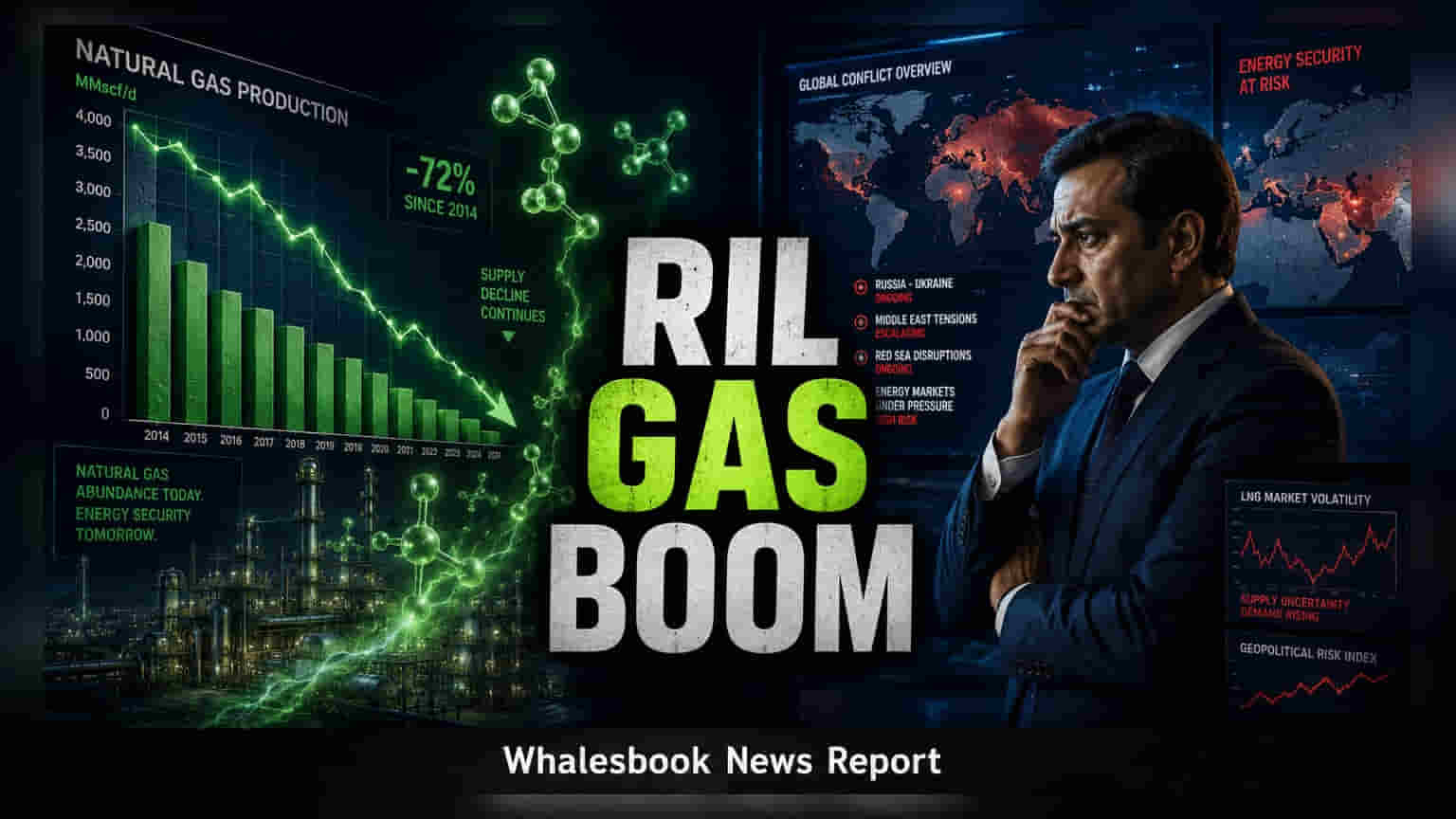
Reliance Industries is launching a multi-year drilling campaign to offset natural output declines in its KG-D6 and coal-bed methane fields. The company expects higher gas price ceilings in the coming months, citing ongoing geopolitical tensions in West Asia as a key factor supporting revenue realization.
Reliance Industries Limited is initiating a strategic, multi-year expansion of its natural gas drilling activities to counter the expected natural decline in production from its established KG-D6 fields and coal-bed methane blocks. This move reflects the company's efforts to maintain output volumes while navigating a global energy landscape influenced by regional conflicts.
Management shared these plans during an earnings discussion held on July 17, 2026. A central component of the strategy involves a new multilateral drilling program that includes 40 wells. This investment is designed to sustain production levels and ensure the company remains a stable domestic supplier, even as individual gas wells naturally produce less over time.
Pricing Trends and Geopolitical Impact
The company’s financial outlook is closely tied to domestic gas price ceilings, which are influenced by international benchmarks. While global gas prices have moderated from earlier peaks, Reliance executives anticipate that the ongoing tensions in West Asia will keep prices above historical averages. The current ceiling price for gas produced from the KG-D6 block is set at $8.9 per million metric British thermal unit (mmBtu). Management expects this ceiling to rise toward $9.9 per mmBtu in the second half of the fiscal year, which could provide better price realization for the company's output.
Operational Context and Demand
While Reliance is focused on production growth, the broader Indian energy sector is experiencing shifting demand patterns. During the June quarter, India saw a year-on-year decline of approximately 10% in natural gas consumption. This drop is attributed by company leadership to regional disruptions affecting traditional supply chains. Despite this temporary dip in consumption, the company continues its capital spending on drilling to prepare for future demand cycles.
Investors should note that energy exploration projects carry inherent risks, including the possibility that production from new wells may not fully offset the natural decline of older fields. Additionally, the company’s revenue realization is dependent on government-regulated price ceilings, which can fluctuate based on global benchmark pricing formulas. The primary monitorables for shareholders moving forward will be the execution speed of the 40-well drilling program, the stability of production volumes at the KG-D6 site, and whether the anticipated increase in the gas price ceiling materializes as per current management expectations.