 Whalesbook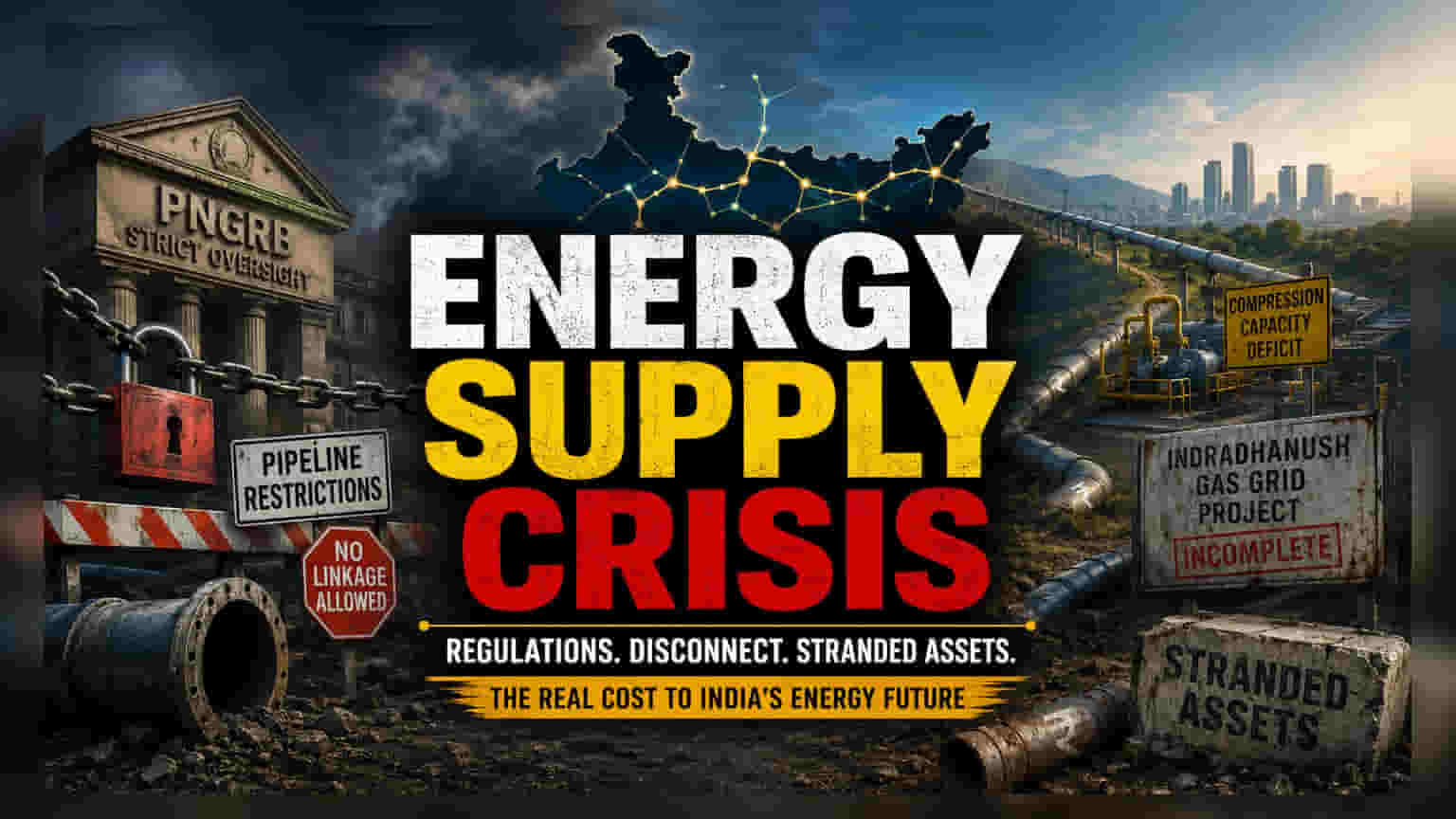


The Regulatory Friction
The push by major energy players to bypass existing restrictions on common carrier pipelines is exposing deep structural cracks in India’s energy distribution network. While the Petroleum and Natural Gas Regulatory Board (PNGRB) maintains strict oversight, industry participants argue that these regulations have inadvertently created a self-imposed supply crisis. By preventing the linkage of established regional pipelines to the Numaligarh Refinery and wider networks, the regulator is essentially forcing domestic producers to keep output offline, driving the nation toward more expensive global spot market alternatives.
The Infrastructure Disconnect
Beyond mere administrative hurdles, the situation reveals a severe lack of connectivity between regional grids and the national pipeline backbone. Even if the current regulatory waiver for the Northeast is granted, technical barriers remain significant. The absence of adequate compression capacity to equalize pressure between the regional network and GAIL’s Urja Ganga pipeline creates an impossible scenario for gas integration. This is not just a policy failure; it is a manifestation of decades of poor demand forecasting and fragmented infrastructure development that prioritized local reach over national interoperability.
The Forensic Bear Case
Investors must look past the immediate supply narrative to recognize the long-term capital intensity required to fix these errors. Even with a rapid regulatory breakthrough, these energy companies face a grueling path to profitability regarding this trapped supply. The reliance on the Indradhanush Gas Grid Limited project—which remains unfinished—suggests that even successful lobbying will not yield immediate financial windfalls. Furthermore, should the PNGRB refuse to waive current standards, these assets may remain stranded, rendering previous capital expenditure on regional production entirely unproductive. This highlights a governance risk where reliance on public sector infrastructure planning often leads to multi-year stagnation in asset utilization.
Sectoral Performance and Outlook
Market participants continue to watch Oil India and ONGC, as both entities remain sensitive to domestic production targets. Despite favorable government policies designed to increase domestic production, these producers are frequently hampered by bureaucratic friction. Historical data suggests that while regulatory relief often triggers short-term positive sentiment, it rarely offsets the prolonged margin compression caused by the inability to evacuate production efficiently. The current standoff underscores that until the national grid achieves true physical and regulatory cohesion, energy producers will continue to see their valuation impacted by external factors far beyond their operational control.