

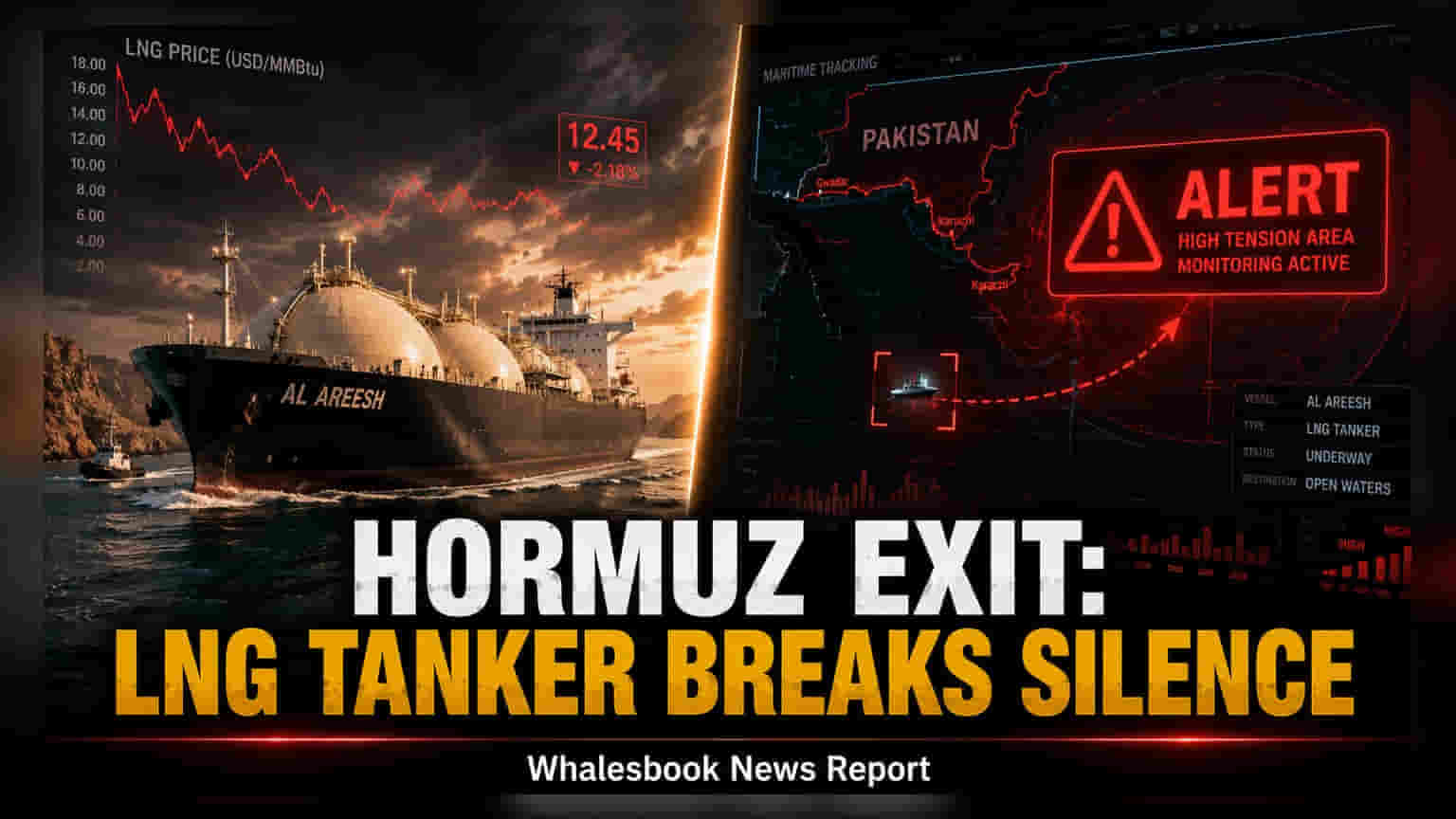
A QatarEnergy-controlled LNG tanker, Al Areesh, has exited the Strait of Hormuz for the first time since mid-July. The vessel is currently heading to Port Qasim in Pakistan. This movement is being closely tracked by energy analysts as a signal for potential easing of regional tensions that had previously disrupted energy shipping routes.
The Al Areesh, a liquefied natural gas (LNG) tanker managed by QatarEnergy, successfully exited the Strait of Hormuz overnight on July 29, 2026. Data from tracking firms Kpler and LSEG confirms this is the first departure of a QatarEnergy-controlled LNG carrier from the waterway since July 11. The vessel had previously loaded its cargo at Qatar’s Ras Laffan terminal between July 4 and July 6 and is now en route to Port Qasim, Pakistan, with an expected arrival of July 31.
Impact on Energy Shipping Routes
The Strait of Hormuz is a critical global chokepoint for energy supplies. The movement of the Al Areesh is significant because it follows a period of heightened caution among tanker operators following the Al Rekayyat incident earlier this month, which had caused delays in transit. The return of shipping activity is a key indicator for energy markets that rely on consistent flow through this region. Furthermore, an ADNOC Gas-controlled tanker, the Mraweh, was observed re-entering the strait on Thursday, suggesting that major energy producers are resuming standard logistics operations.
Broader Regional Logistics and Security
While traffic in the Strait of Hormuz has shown signs of stabilization, energy logistics remain sensitive to broader geopolitical developments. According to Kpler data, twelve commodity ships transited the Strait of Hormuz on Wednesday, reflecting a balance of six vessels entering and six exiting the passage. This represents a noticeable increase in activity compared to the preceding two days.
In contrast, activity in the Bab el-Mandeb strait, another major maritime transit point, has been more volatile. Nineteen commodity ships passed through that strait on Wednesday, a decline from the 26 transits recorded earlier in the week. Industry analysts, including those from Vortexa, have observed a shift in the behavior of crude and condensate tankers, with more vessels heading north after loading in the Red Sea. This trend is often linked to evolving security assessments in the region. Some operators may continue to manage risks by keeping vessel transponders turned off, which can complicate accurate traffic reporting.
Investors in energy, shipping, and logistics companies should continue to monitor transit volumes through these chokepoints. Any sustained increase in tanker traffic is a positive indicator for global energy supply chain stability, whereas sudden drops or security-related delays could impact shipping costs and regional energy pricing.