

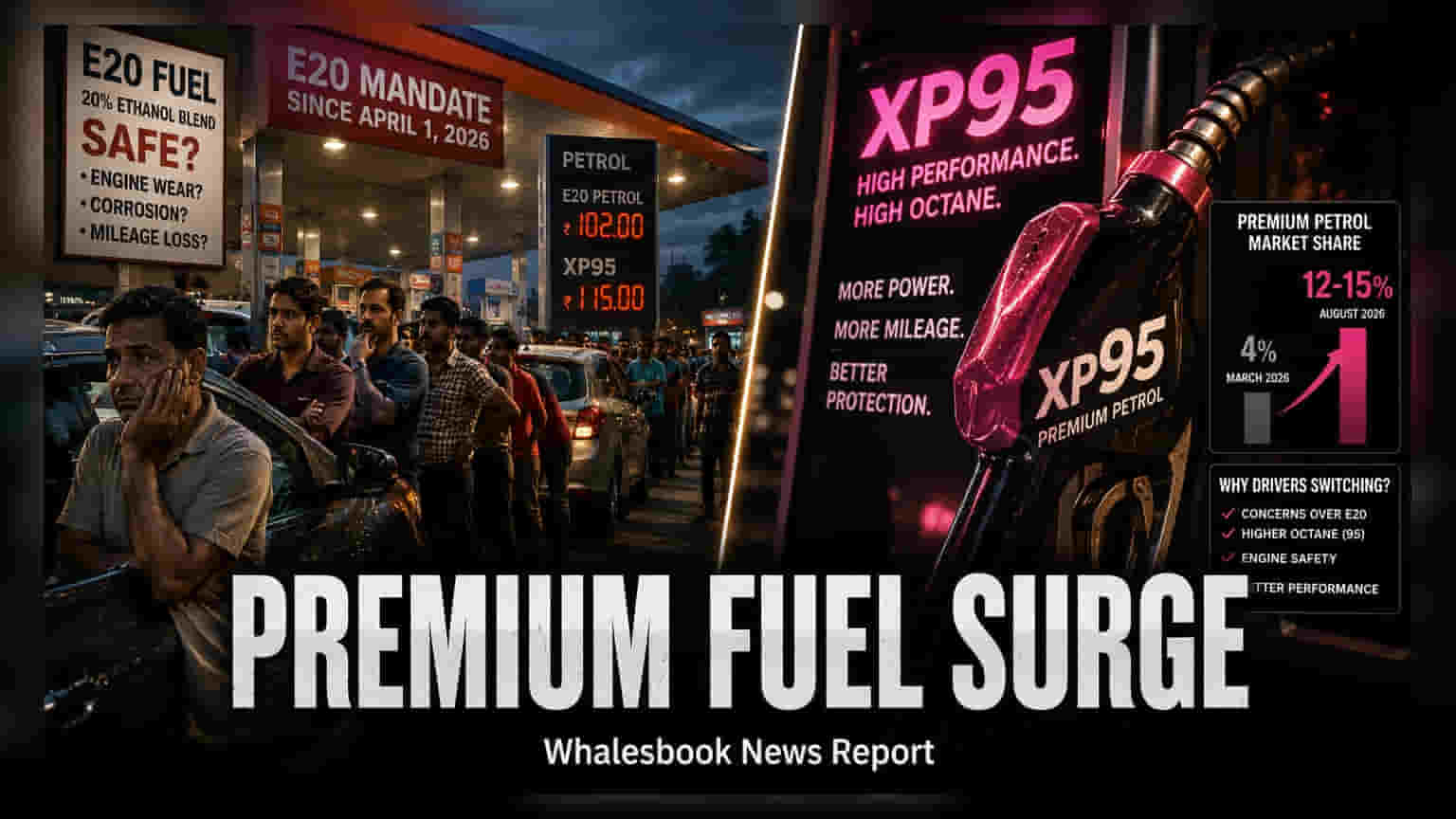
India's premium petrol market share has tripled to 15% as of August 2026, as motorists switch away from the mandatory E20 ethanol-blended fuel. Driven by concerns over vehicle mileage and engine health, consumers are increasingly choosing higher-priced brands like XP95 and SPEED. This shift toward premium variants is a notable trend for state-owned oil marketing companies, as it influences retail product mix and profit margins.
A significant change is playing out at fuel stations across India. As of August 2026, the market share of premium, high-octane petrol has surged to 12-15%, marking a sharp rise from just 4% in March. This shift is being driven by consumer anxiety surrounding the government-mandated E20 fuel, which contains a 20% ethanol blend.
Since the E20 mandate became effective on April 1, 2026, many vehicle owners have raised concerns about potential impacts on engine longevity, component corrosion, and reduced fuel efficiency. In response, a growing number of motorists are opting for premium fuel variants, such as Indian Oil’s XP95, Bharat Petroleum’s SPEED, and Hindustan Petroleum’s poWer95. Although these premium fuels cost approximately ₹110-₹115 per litre compared to the roughly ₹102 price tag for standard E20 petrol, consumers appear willing to pay the extra cost for the perceived reliability and higher octane ratings offered by these specialized products.
For major state-owned oil marketing companies like Indian Oil Corporation, Bharat Petroleum Corporation, and Hindustan Petroleum Corporation, this change in consumer behavior is important. Premium fuel variants typically allow companies to earn better profit margins per litre compared to regular petrol. As consumers increasingly prioritize these premium products, the retail product mix of these companies shifts toward higher-margin sales, which can support the profitability of their retail fuel business.
However, this trend also brings policy risks. The government has maintained that E20 fuel is safe for vehicles and is central to its goal of reducing crude oil import costs. While public demand for alternatives like E10 or ethanol-free petrol persists, any government decision to reconsider the blending policy or adjust regulations could alter the competitive landscape for these premium offerings. If policy changes were to simplify the fuel options or if demand for premium variants plateaus, the current boost in retail margins could face pressure.
Investors monitoring this space may track how the demand for premium fuel sustains in the coming quarters and whether it continues to offset the operational challenges associated with the E20 rollout. The primary factors to watch include potential government policy updates on ethanol blending, whether retail prices for premium fuel remain stable, and if the shift in consumer preference significantly impacts the overall sales volumes of regular petrol. As of now, the increased uptake of premium petrol reflects a defensive strategy by consumers, creating a unique operational dynamic for India’s fuel retailers.