 Whalesbook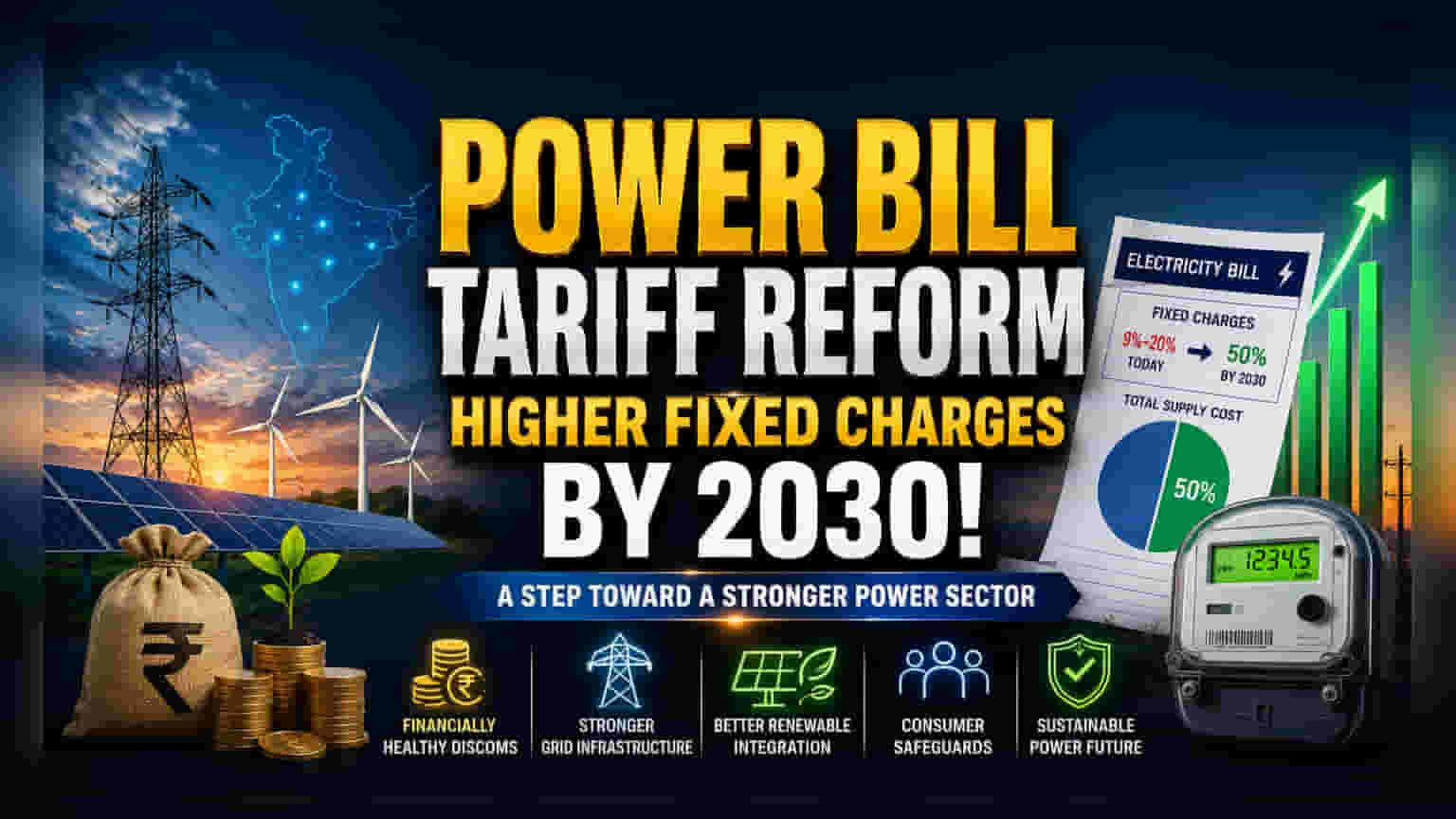


The Central Electricity Authority has proposed a major shift in electricity tariffs, aiming to increase fixed charges by 2030. This move seeks to align consumer bills with the true infrastructure costs incurred by power distribution companies (Discoms). With Discom debt reaching ₹7.26 lakh crore by March 2025, this change is designed to improve financial stability and support grid upgrades. Investors should track how state regulators implement these changes, as the shift may lead to higher consumer bills and potential political sensitivity.
What Happened
The Central Electricity Authority (CEA) has released a draft proposal suggesting a significant change in how electricity tariffs are calculated in India. The proposal outlines a phased increase in the fixed-charge component of power bills, aiming to bring them in line with the actual fixed costs of electricity supply by 2030. Currently, fixed costs—which include infrastructure investments, maintenance, and employee expenses—account for roughly 50% of the total supply cost for power distribution companies (Discoms). However, these costs currently make up only 9% to 20% of the bills paid by consumers. The proposal suggests that correcting this imbalance is essential for the long-term sustainability of the power sector.
Why This Matters For Investors
The financial health of Discoms is a critical link in the entire power value chain. When Discoms operate under financial stress, the ripple effect is felt by power generators and transmission companies, who may face delayed payments. According to official data, the combined debt of Discoms reached an estimated ₹7.26 lakh crore as of March 2025. This debt burden restricts the ability of these utilities to invest in critical grid upgrades, smart metering, and the infrastructure needed to integrate more renewable energy. For investors, a successful shift toward higher fixed charges could improve the cash flow position of utilities, potentially making them more reliable counterparties for power producers.
The Shift Toward Fixed Costs
The energy landscape in India is changing rapidly, with a greater move toward renewable sources like solar and wind. Unlike traditional thermal power plants, which have significant fuel costs, renewable projects are capital-intensive. They require high upfront spending on storage and grid connectivity, meaning that fixed costs represent a larger share of the overall expense. As the grid integrates more of these intermittent energy sources, the nature of billing must evolve. The CEA’s proposal recognizes that the grid is increasingly being used as a backup and peaking support system, which necessitates a tariff structure that reflects availability rather than just volume of energy consumed.
Managing Consumer Impact
A significant challenge for this reform is balancing utility finances with consumer affordability. Any increase in fixed charges will likely lead to higher monthly bills, particularly for low-consumption households. The proposal recommends that regulators create a clear, transparent roadmap over the next five years to implement these changes. It suggests the inclusion of consumer safeguards, such as lower fixed charges for households that stay below a certain usage threshold. This tiered approach is intended to protect vulnerable consumers while encouraging efficient demand management among others. Furthermore, the proposal calls for a smoother process for consumers to adjust their sanctioned load, allowing users to better match their grid connection with their actual usage needs.
Potential Risks and Challenges
While the financial logic for the change is strong, implementation faces substantial hurdles. Electricity is a concurrent subject in India, meaning state governments and state-level regulators play a massive role in tariff setting. Increasing fixed charges can be politically sensitive, and state governments may hesitate to hike tariffs, especially if they are concerned about public perception. Additionally, the move must be coordinated carefully to ensure that consumers with rooftop solar or captive power plants are not double-charged for grid support and standby power. If the implementation is inconsistent across states, it could lead to fragmented efficiency in the power sector.
What Investors Should Track Next
The next important steps involve how individual states and their electricity regulatory commissions respond to these recommendations. Investors should monitor whether states begin to incorporate these fixed-charge hikes in their annual tariff filings. It is also important to observe how this impacts the operational performance of Discoms, specifically regarding their collection efficiency and ability to clear dues to power generators. Finally, tracking the pace of grid integration for renewable energy will provide insight into whether the sector is successfully moving toward a more sustainable and cost-reflective billing model.