

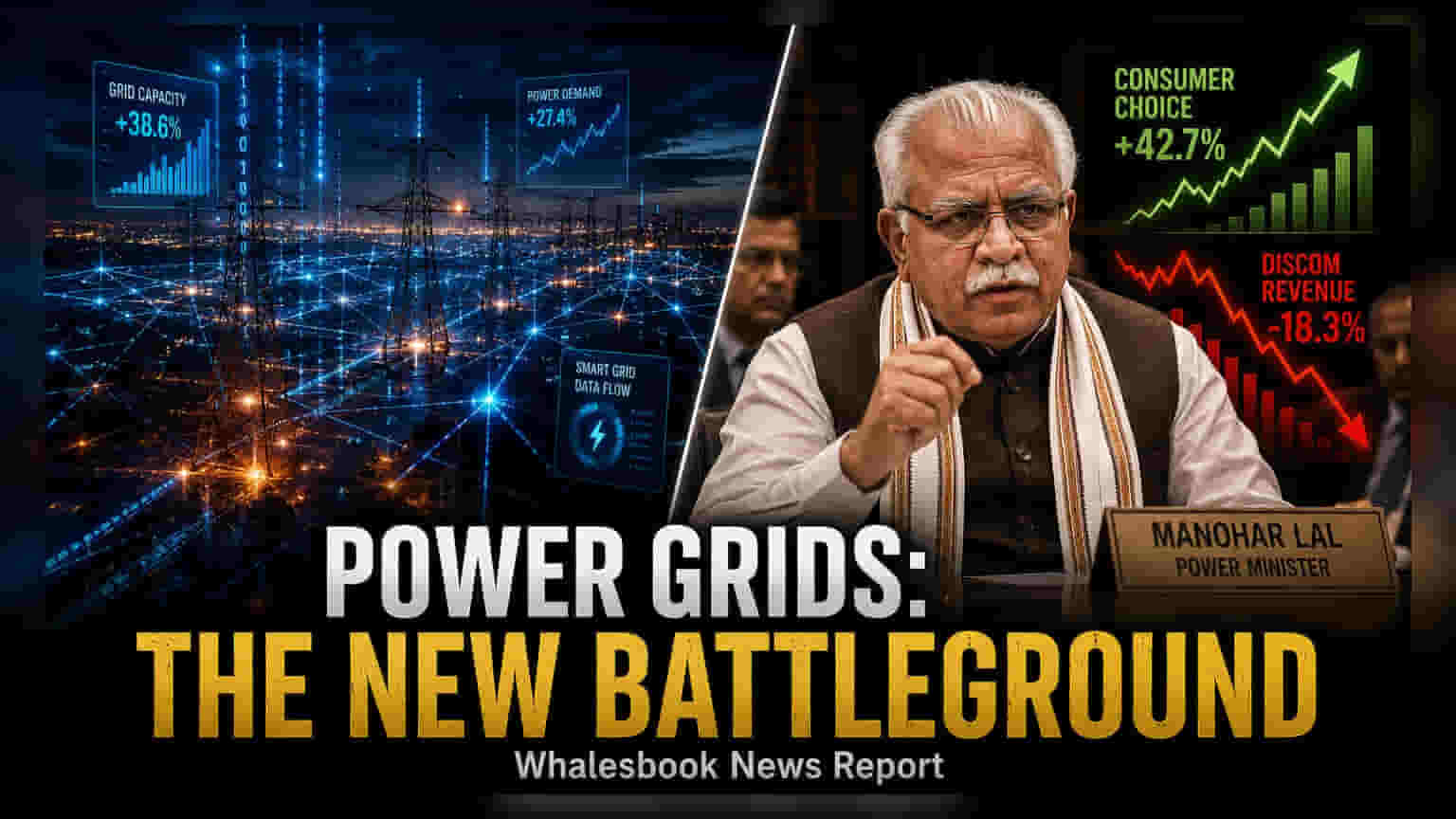
The government is proposing changes to the Electricity Act to allow new power suppliers to use existing networks by paying regulated fees. The move aims to increase consumer choice and service quality, though it faces concerns regarding potential revenue impacts on public distribution companies.
Detailed Coverage
The Ministry of Power is moving ahead with plans to amend the Electricity Act, 2025, to allow new electricity distribution companies to operate using existing power infrastructure. Under this proposed framework, new entrants would pay regulated wheeling charges to the original network owners. This change is designed to foster competition in the power distribution sector without requiring every new company to build its own separate network, which often leads to high costs and inefficient land use.
Potential Impact on Consumer Choice
The central government, led by Power Minister Manohar Lal, has highlighted the success of multi-licensee models in cities like Mumbai, where consumers have experienced better service and competition. By enabling this structure nationally, the ministry aims to replicate these benefits, allowing consumers in more regions to choose their power provider. The government noted that State Electricity Regulatory Commissions will be responsible for creating clear rules to ensure the process remains fair and transparent for all participants.
Financial Risks for Public Discoms
The proposal has encountered resistance from several state governments, employee unions, and trade organizations. A primary concern is the risk to public Distribution Companies, or Discoms, which currently handle most of the country's electricity supply. Critics fear that if private entities are allowed to use existing infrastructure, they might focus exclusively on high-paying industrial and commercial customers. This practice, often called cherry-picking, could reduce the revenue base for public utilities.
Such a shift might also weaken the system of cross-subsidy, where higher rates paid by commercial users help keep electricity affordable for domestic and rural households. The Electricity Employees' Federation of India has raised concerns that allowing large industrial consumers with demand over 1 megawatt to switch providers could significantly erode the financial stability of public utilities. While the government has stated that all distributors will still have to follow universal service obligations, the long-term impact on the financial health of public Discoms remains a key monitorable for the sector.
Investors in the power sector may track how state regulatory commissions manage these transition rules and whether they implement policies that protect public utilities from sudden revenue loss while encouraging new investment. The next major update will be the formal introduction of the amendment and the subsequent guidelines from state regulators regarding how wheeling charges are calculated and how universal service obligations are enforced.