 Whalesbook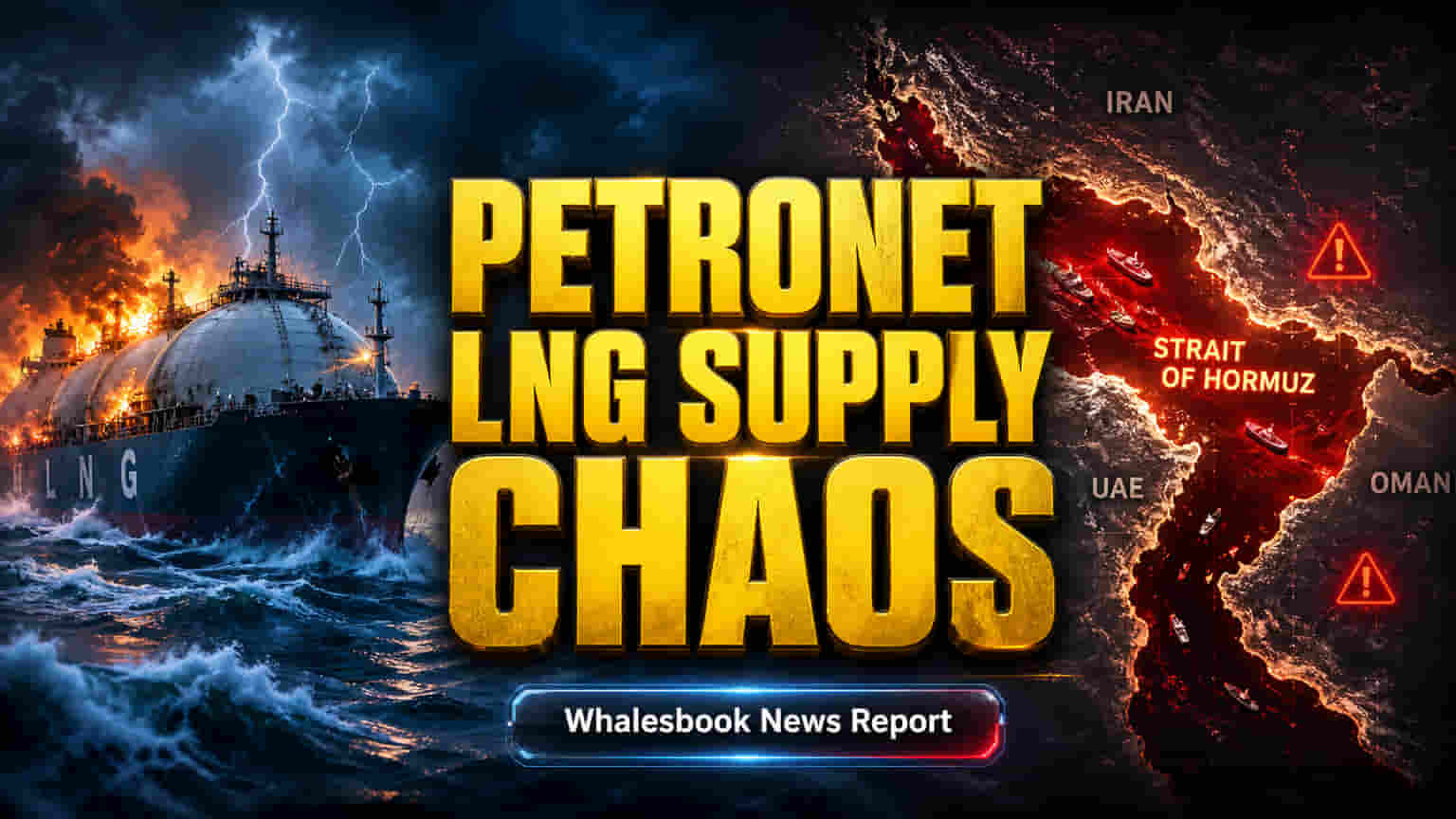


Disruption Hits Key Shipping Route
The lack of clarity on June LNG shipments stems from ongoing geopolitical tensions that have disrupted critical shipping routes, particularly the Strait of Hormuz. This vital waterway handles approximately 60% of India's LNG flows. QatarEnergy's force majeure has already led to the cancellation of May shipments, creating a significant gap during a period of peak demand.
India Faces Energy Crunch
As India's largest LNG buyer, Petronet LNG has been forced to curtail gas allocations to petrochemical plants and industries. The nation is leaning more heavily on coal to bridge the shortfall. Consequently, the federal power ministry has deferred maintenance at coal-fired plants because gas-based generation remains constrained. This situation could worsen inflation and hinder industrial output during the summer months.
Petronet Plans Future Resilience
Petronet LNG, which had expected roughly 10 cargoes in March and another 10 in April under its annual 7.5 million-ton deal, is actively exploring supply diversification. Managing Director Akshay Kumar Singh stated the company plans to add seven storage tanks to its existing ten to enhance resilience against future disruptions. While QatarEnergy has indicated a return to normal operations once stabilized, concrete timelines remain unclear.
LNG Prices and Buyer Sensitivity
Spot LNG prices have cooled to around $16 per million British thermal units from $25 after the conflict escalated. However, Singh noted these prices are still too high for price-sensitive Indian buyers, who require rates in the single digits for demand to rebound significantly.