

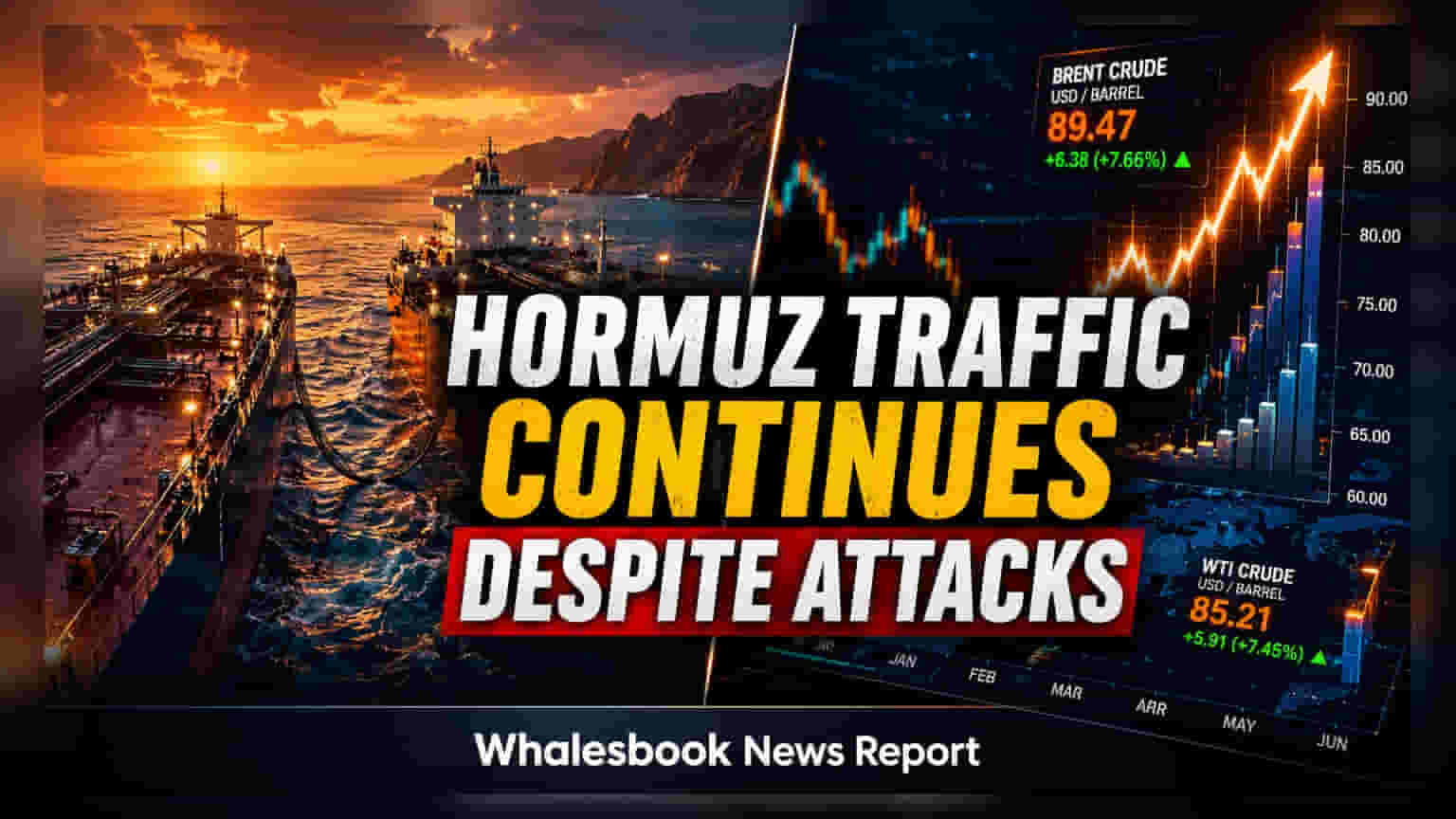
Oil tankers are performing ship-to-ship transfers off the coast of Oman, confirming that energy trade through the Strait of Hormuz continues despite regional security concerns. While shipping companies remain cautious due to rising insurance costs and recent vessel attacks, cargo movement persists with U.S. naval assistance.
Ship-to-ship oil transfers are currently being observed near the ports of Fujairah and Sohar off the coast of Oman. Satellite imagery has identified at least four tankers conducting these operations, which serve as a critical logistical workaround for vessels transiting the Strait of Hormuz. By offloading cargo in these waters, shipowners can manage the complexities of regional logistics amidst a volatile security environment.
Operational Reality in the Strait of Hormuz
Data from maritime tracking services indicates that while commercial transit volumes have declined following recent attacks on vessels, the flow of energy products has not stopped. Two vessels were tracked exiting the Gulf of Oman as of Wednesday, confirming successful passage through the strait. This activity suggests that despite the heightened threat environment, the economic imperative to maintain supply chains remains high.
Impact of Security and Insurance Costs
The maritime shipping sector is currently grappling with increased operational pressure. The Joint Maritime Information Center has acknowledged that many operators have exercised extreme caution, with some choosing to delay their journeys in response to the recent targeted incidents. This environment has naturally led to higher insurance premiums for vessels operating in the Persian Gulf. For shipowners, the decision to navigate these waters is a direct calculation of the potential financial rewards against the rising costs of risk mitigation and increased insurance coverage.
U.S. Naval Support and Future Monitorables
To help maintain stability, the United States has been providing assistance to commercial vessels moving through the region. Official reports indicate that U.S. forces aided the transit of 10 commercial vessels over a recent 48-hour period. For investors and energy market watchers, the primary monitorables moving forward will be the frequency of these security incidents, any changes in insurance pricing structures, and the volume of tanker traffic reported in official maritime logs. Sustained disruption could eventually impact global oil prices and shipping logistics costs, making the consistency of these transits a key indicator of regional stability.