 Whalesbook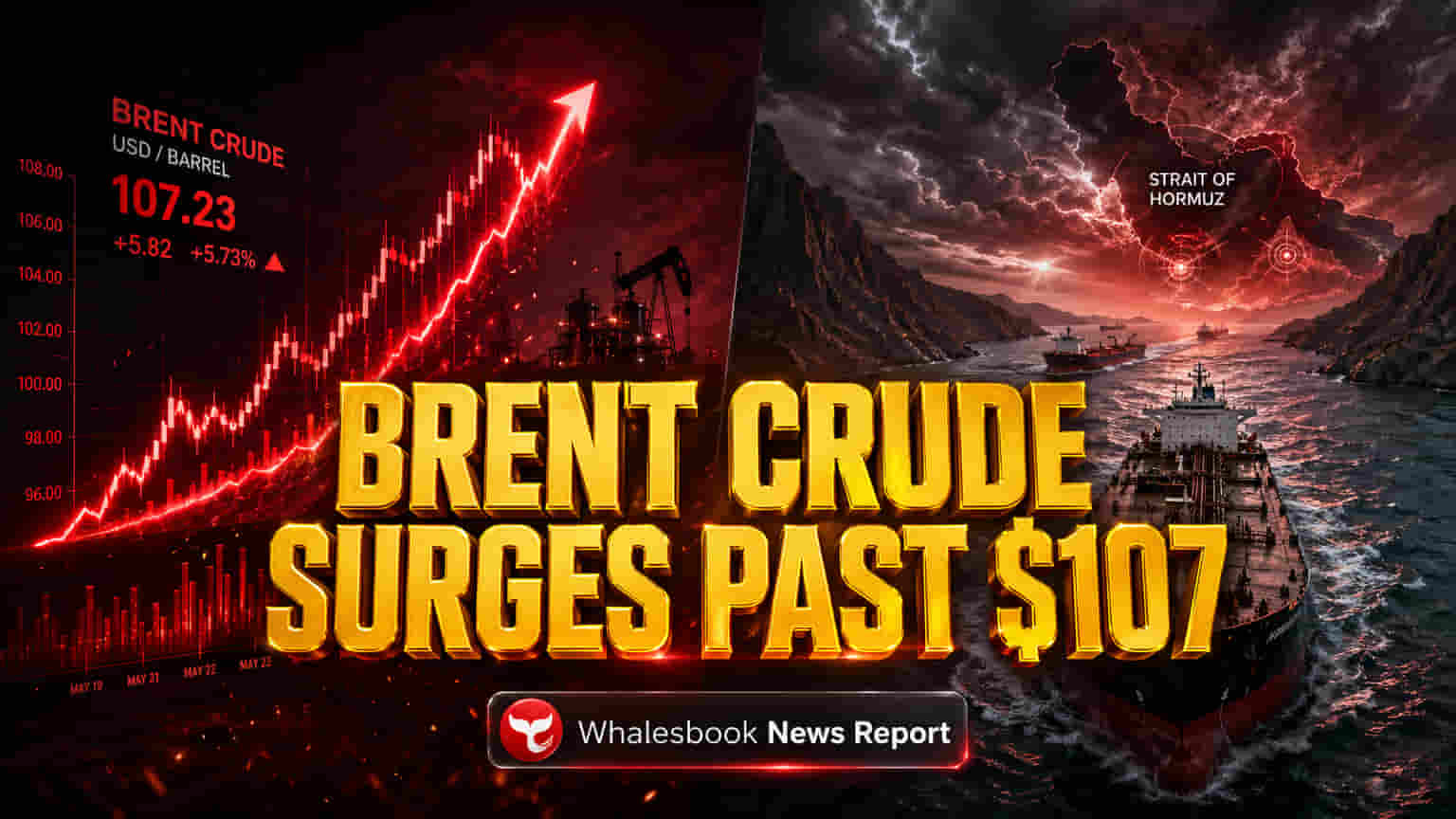


Hormuz Closure Triggers Global Supply Shock
The escalating friction between the U.S. and Iran, and the closure of the Strait of Hormuz, have tightened global energy supplies. This is creating a ripple effect that threatens widespread inflation for industrial goods and consumer products. Markets are now grappling with how long this supply shock will last, and the situation is unlikely to improve quickly due to the ongoing diplomatic stalemate.
Hormuz: A Critical Artery Closed
The Strait of Hormuz, through which roughly 20% of global oil passes, has effectively shut down a vital artery of international trade. Daily ship transits have fallen to near zero as both U.S. and Iranian forces enforce blockades. Brent crude for June settlement rose 2.2% to $107.66 a barrel, and WTI for June delivery gained 2.2% to $96.47, reflecting market anxieties. This disruption is affecting not just crude oil but also supplies of fuel, natural gas, and fertilizers, raising concerns about a broad inflationary shock. Traders estimate supply has already dropped by at least 10%, potentially amounting to hundreds of millions of barrels lost. The International Energy Agency (IEA) has called this one of the largest supply shocks on record.
Stalled Diplomacy Worsens Crisis
Hopes for de-escalation were dashed after U.S. President Donald Trump canceled a planned visit by senior envoys to Pakistan, which had been mediating talks. Trump stated Iran's proposals were inadequate, while Tehran indicated it would not negotiate under pressure or blockade conditions. Iranian President Masoud Pezeshkian reiterated that negotiations cannot proceed under "threats or blockade." This diplomatic deadlock suggests energy markets will likely face higher prices due to geopolitical risk for an extended period.
Inflationary Ripple Effects Spread
This conflict, now in its ninth week, is starting to impact global markets beyond just energy. Shortages of key fuels like liquefied petroleum gas (LPG) have appeared in countries such as India. Airlines are reducing routes due to rising operational costs, a direct result of higher jet fuel prices and increased energy expenses. The impact on fertilizer supplies, crucial for agriculture, adds another layer of inflationary risk, potentially affecting global food prices. The IEA considers the current situation among the most significant supply disruptions in history, comparable to past oil crises.
US Escalates Pressure on Iran
The U.S. has intensified its blockade enforcement, intercepting vessels and redirecting shipments, with military data showing dozens of ships turned back. Simultaneously, Washington is tightening financial pressure on refiners, especially in China, that continue to process discounted Iranian crude. This strategy aims to cut off Iran's oil revenues but also risks escalating tensions and complicating global trade.
Market Vulnerabilities and Long-Term Risks
Beyond the immediate price hikes, deeper structural issues are emerging. The global oil trade's heavy reliance on the Strait of Hormuz makes it highly vulnerable to disruption, unlike more varied supply routes. This prolonged standoff means prices are unlikely to return to pre-crisis levels soon, as geopolitical risk premiums will persist. While buyers, particularly Chinese refiners, have often absorbed discounted Iranian crude, intensified U.S. sanctions could disrupt these flows. This, along with retaliatory actions, could worsen instability. The wider inflation from higher fertilizer and fuel costs also risks global economic growth, potentially forcing central banks to confront stagflationary pressures.
Outlook: Persistent Risk and Volatility
With the Strait of Hormuz remaining closed and diplomatic talks stalled, a swift resolution appears unlikely. Analysts expect geopolitical risk premiums to keep oil prices volatile. The IEA's view of this as a historic supply shock means market participants must adjust expectations for energy availability and cost. While the situation may spur investment in alternative energy and routes long-term, consumers and industries will face higher energy costs and inflation risks in the meantime.