 Whalesbook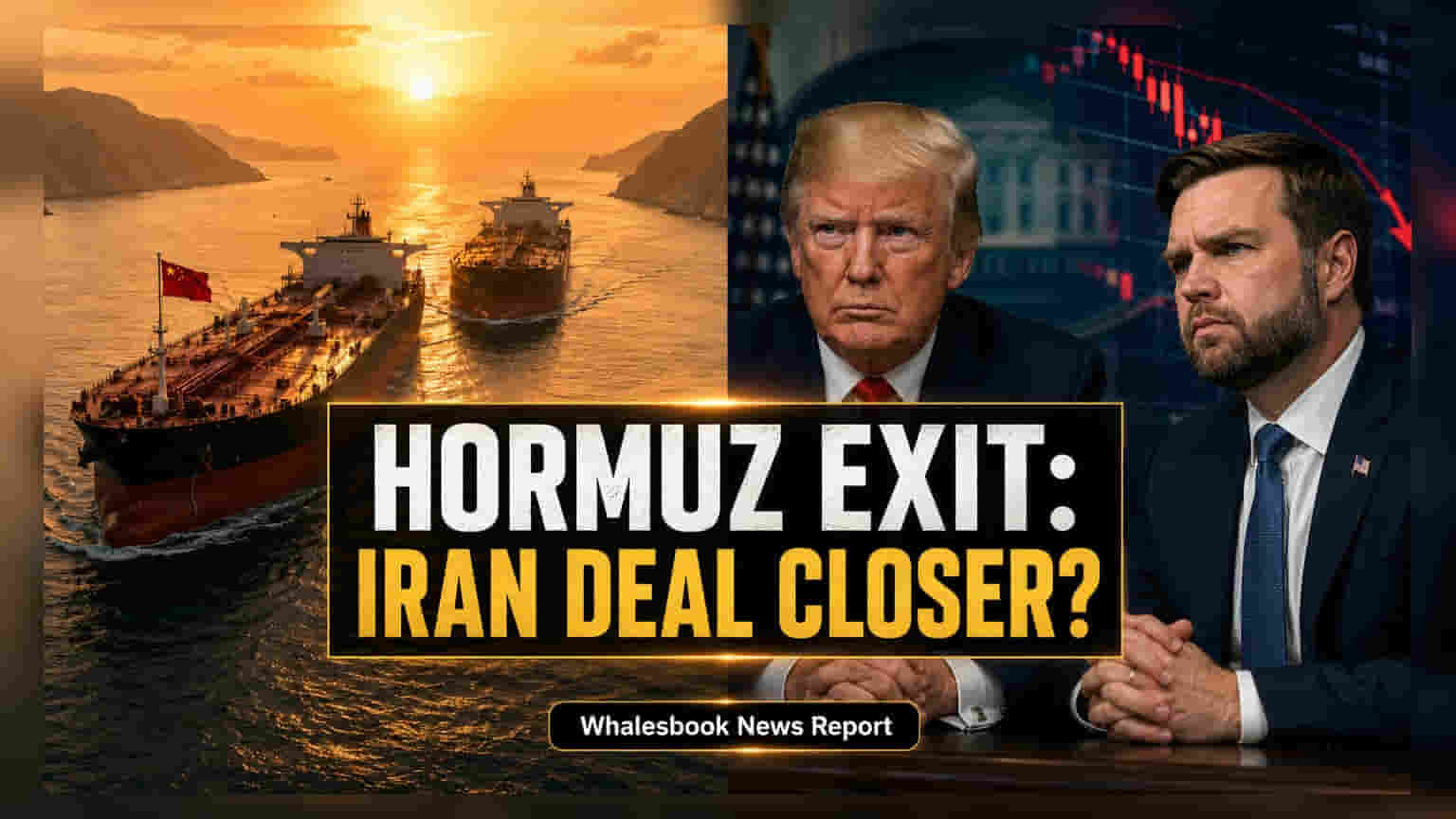


Tanker Movement Signals Diplomatic Thaw
The Yuan Gui Yang and Ocean Lily, Chinese supertankers laden with approximately 4 million barrels of crude oil, have successfully exited the Strait of Hormuz after a prolonged two-month anchorage. This significant movement of oil from the Persian Gulf comes as U.S. administration officials signal optimism regarding a potential de-escalation of hostilities with Iran. The White House has indicated swift conclusion to current conflicts.
Oil Market's Cautious Outlook
While diplomatic overtures led to a brief dip in Brent crude futures to $110.16 per barrel, market sentiment remains guarded. Analysts point to the potential for continued price volatility, as Emril Jamil, a senior oil research analyst at LSEG, suggests that supply may not immediately rebound to pre-conflict levels even if a deal is brokered. This cautious outlook is informed by the considerable economic disruption caused by the Strait of Hormuz blockade, which previously propelled Brent crude futures to their highest point since June 2022.
Global Economic Ripples and Growth Forecasts
The elevated energy costs stemming from regional instability have prompted a downward revision of the United Nations' global growth forecast to 2.5% for the current year. The report highlights the disproportionate impact on low-income nations, where escalating food and energy expenditures are consuming an increasing share of household budgets, outpacing wage growth. The broader energy sector is closely monitoring geopolitical developments, with the potential for supply disruptions remaining a key price driver.
Geopolitical Risks Persist
Despite the positive signals from the U.S. administration, the underlying geopolitical tensions in the region continue to pose risks to energy markets. Past ultimatums regarding potential deals and threats of military action underscore the fragile nature of any diplomatic progress. The historical volatility of oil prices during periods of Middle Eastern instability suggests that market participants will remain vigilant for any signs of renewed conflict or trade disruptions.