

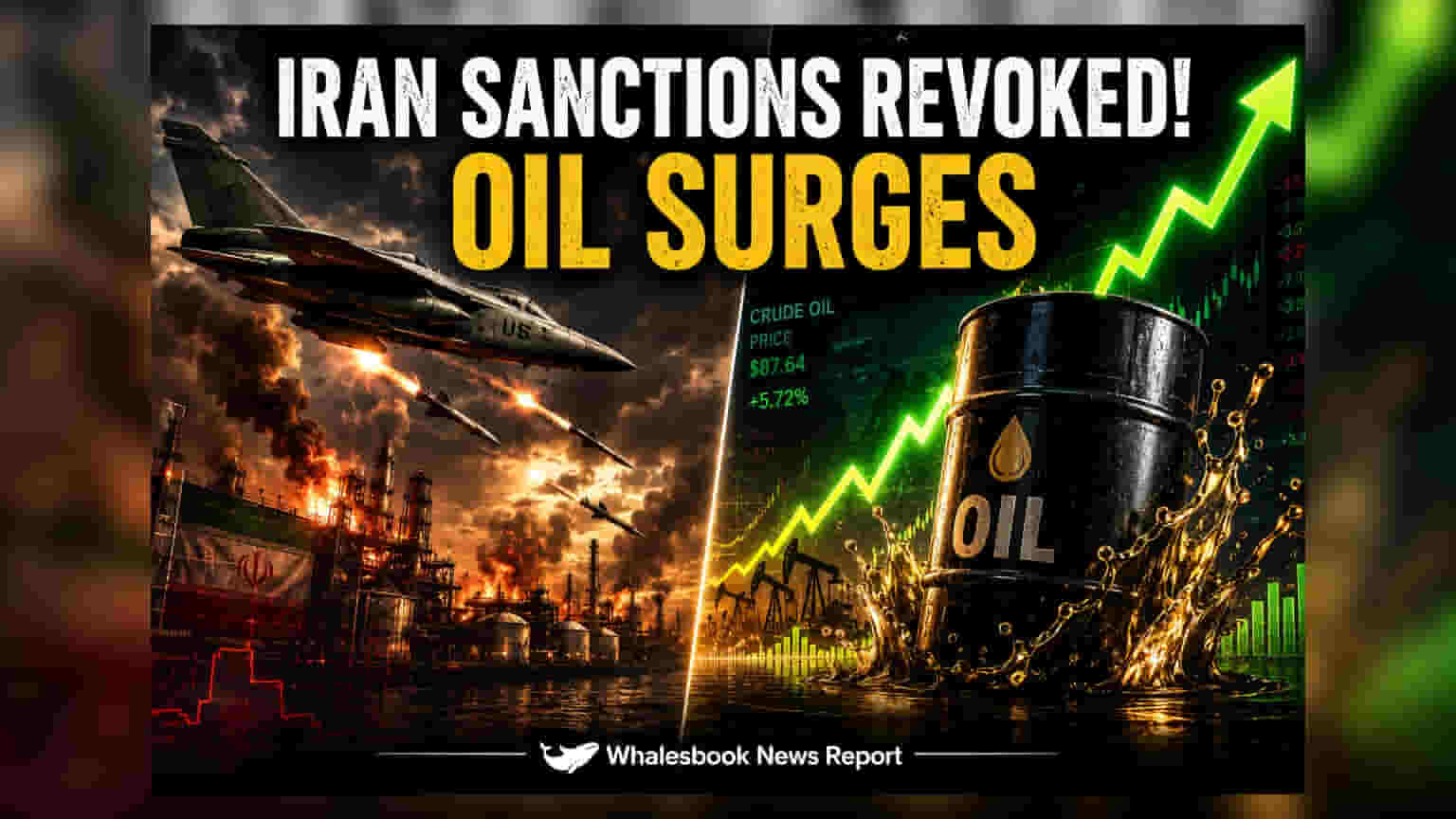
Global oil prices climbed over 3% after the US revoked a license allowing Iranian oil sales following tanker attacks in the Strait of Hormuz. Investors are monitoring the potential impact on global crude supply and geopolitical risk premiums as the July 17 wind-down deadline approaches.
Global crude oil prices jumped more than 3% in early trading on Wednesday after the United States revoked a key license that previously allowed Iran to sell oil on international markets. The U.S. Treasury Department’s decision follows a series of retaliatory military strikes against Iranian infrastructure, including air defense and missile systems, after projectile attacks targeted three oil tankers in the Strait of Hormuz.
Impact on Oil Supply and Trade
The license, which was originally issued on June 22, provided a window for Iranian crude and petroleum product exports through August 21. Following its sudden revocation on Tuesday, the U.S. has mandated that all outstanding transactions must be wound down by July 17. This sudden policy shift introduces immediate uncertainty into the energy markets, as it effectively reinstates sanctions that were briefly eased. The Strait of Hormuz remains a critical global transit point for oil, and the escalation of hostilities has historically led to volatility in energy commodity prices due to concerns over supply chain security.
Geopolitical Context and Market Risks
The military action and the subsequent withdrawal of the export license represent a significant escalation in the ongoing tensions between the two nations. This move follows reports of drone strikes on commercial vessels, including a Qatari liquefied natural gas tanker, which further complicated the region's fragile ceasefire agreement. For Indian investors, the energy sector is particularly sensitive to these developments. India is one of the world's largest importers of crude oil, and any sustained rise in global prices often impacts the country’s trade deficit, domestic fuel pricing, and the profit margins of oil marketing companies.
Monitorables for Investors
Investors may track the behavior of global oil benchmarks in the coming days to gauge the market's assessment of the supply disruption. Key monitorables include any official responses from major oil-producing nations regarding output adjustments and whether the July 17 wind-down deadline is met without further incidents in the region. The broader energy sector, including upstream producers and downstream refiners, will likely see increased volatility as markets adjust to the restricted supply outlook. Shareholders in energy-dependent industries should remain cautious, as prolonged geopolitical pressure in the Middle East often leads to higher input costs for manufacturers and potential margin pressure across various industrial sectors.