 Whalesbook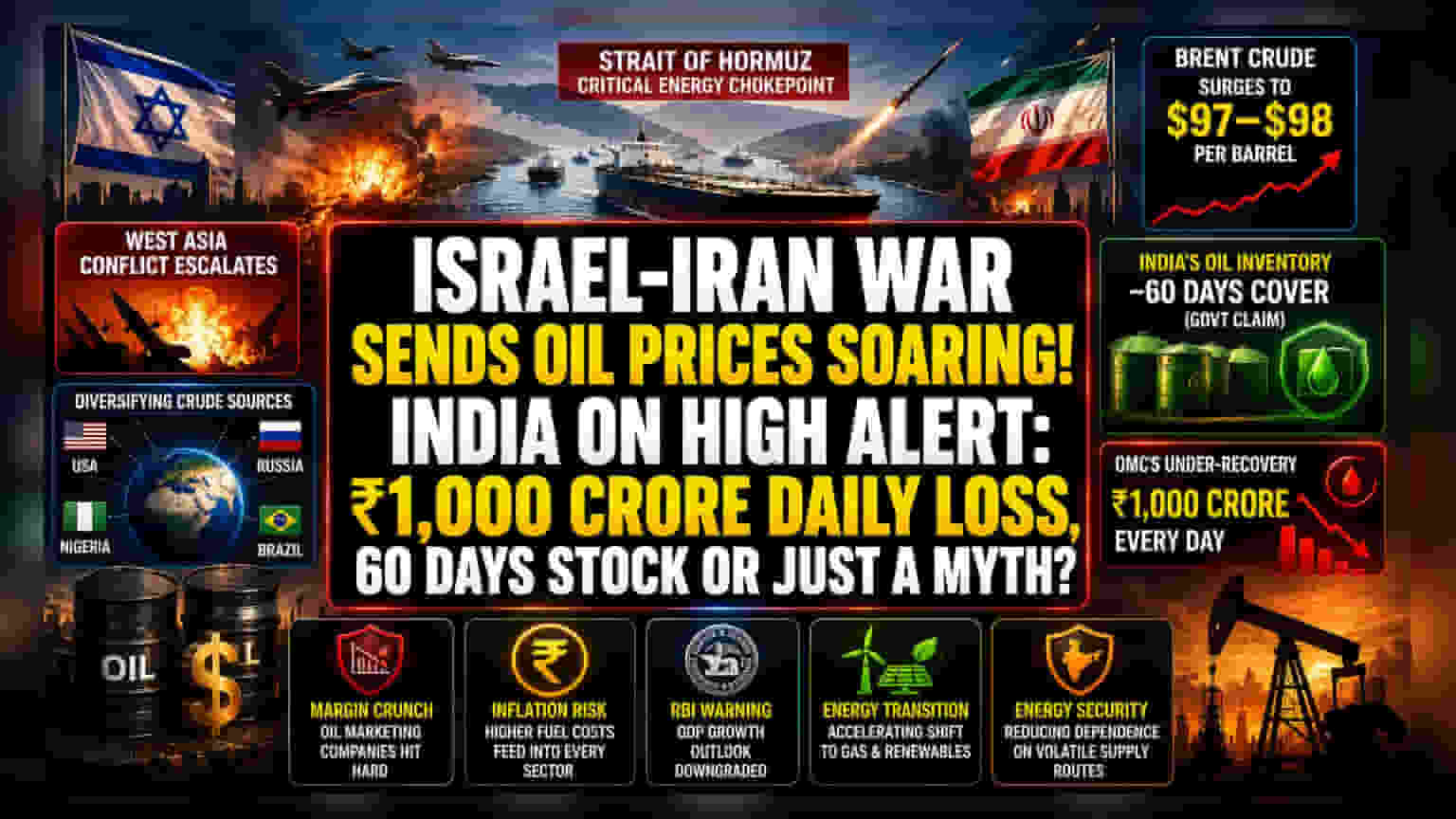


The Geopolitical Risk Premium
The optimism surrounding a near-term cooling of global energy markets has evaporated following a fresh wave of military strikes between Israel and Iran. On June 8, 2026, Brent crude futures surged, trading near $97–$98 per barrel, as market participants reacted to the collapse of hopes for a durable ceasefire. This volatility stems directly from the ongoing near-closure of the Strait of Hormuz, a critical energy artery that handles a substantial portion of global oil transit. The failure to reopen this chokepoint has embedded a geopolitical risk premium into the price of crude that shows no sign of abating as direct hostilities continue to escalate.
Domestic Inventory and Strategic Positioning
While officials, including Petroleum Minister Hardeep Singh Puri, emphasize that India is well-buffered against immediate supply shocks with approximately 60 days of crude oil and natural gas stock, independent audits and market scrutiny suggest a more nuanced reality. Government data and legislative disclosures have frequently debated the calculation of these reserves, with some estimates of actual liquid fuel cover being significantly lower than the stated capacity. Despite these discrepancies, the government’s shift toward diversifying crude sourcing—increasing reliance on non-Gulf suppliers—has been a necessary pivot to maintain energy flow in the face of a systemic breakdown in traditional Persian Gulf supply routes.
The Forensic Bear Case: Margin Compression and Inflation
For domestic oil marketing companies, the current market environment is increasingly punitive. State-run retailers are effectively absorbing the brunt of higher import costs, with industry estimates highlighting daily under-recoveries in the range of ₹1,000 crore. If global crude prices remain anchored at these elevated levels, the financial pressure on these entities will likely reach a breaking point, potentially forcing a choice between government-mandated price caps and severe margin compression that could impair capital expenditures. Furthermore, the Reserve Bank of India has already flagged the conflict as a primary driver of downward revisions to GDP growth forecasts, as the ripple effects of energy inflation permeate everything from transportation and logistics to agricultural inputs like fertilizer.
The Future Outlook
The reliance on diplomacy to resolve the West Asia conflict remains the primary variable for energy price projections. Should the current escalation persist, the market will likely continue to price in higher volatility, with some analysts forecasting a sustained trading range above $100 per barrel. India’s long-term energy strategy is increasingly forced toward a forced-march transition to domestic gas and renewable alternatives, not merely as a climate objective, but as an urgent geopolitical imperative to decouple the economy from the fragility of trans-Hormuz supply chains.