 Whalesbook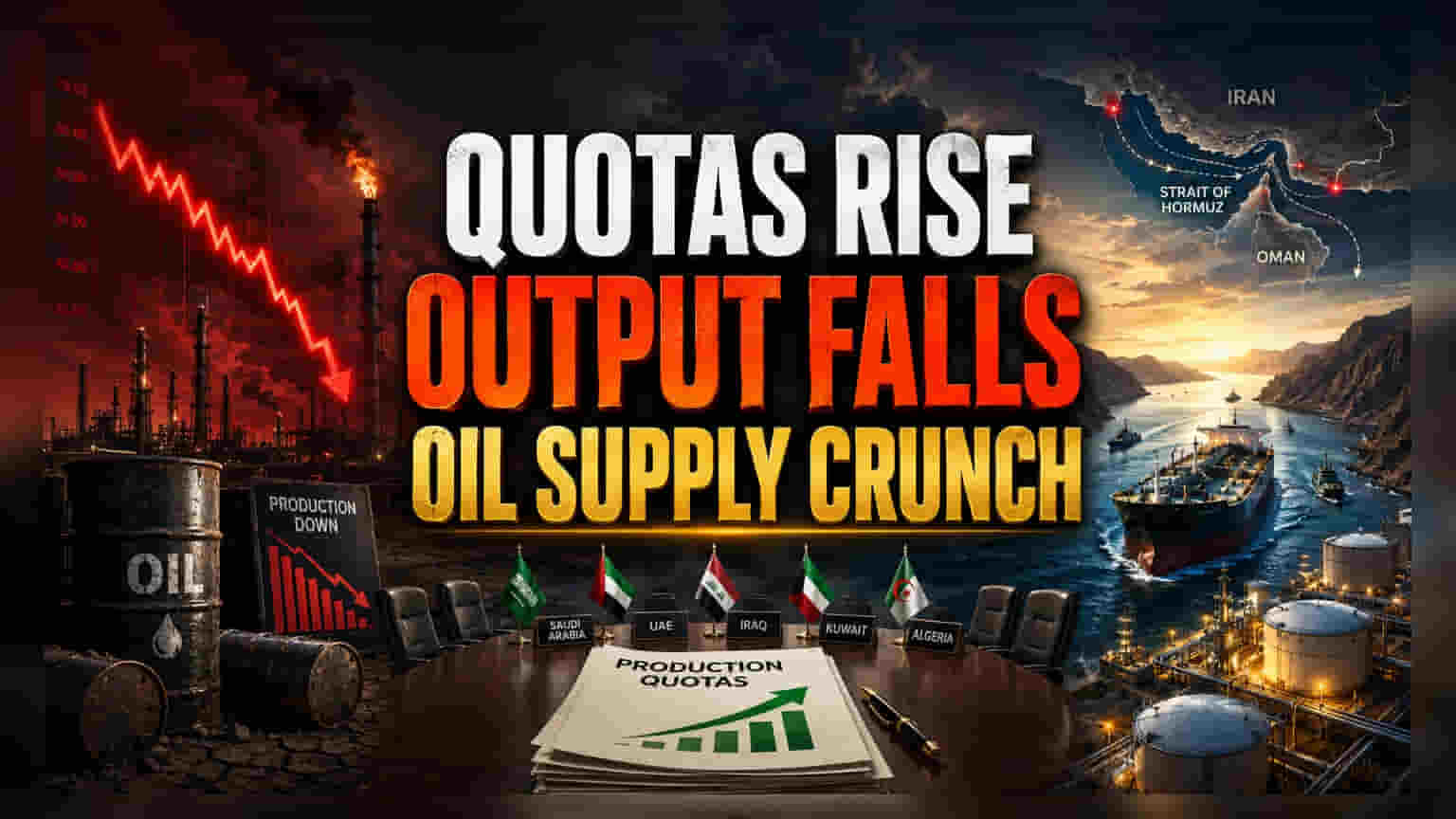


The Illusion of Capacity
The recurring decision to raise production targets masks a deepening systemic failure within the energy bloc. By consistently lifting output quotas while physical extraction rates plummet, the organization is attempting to project market stability that the data contradicts. This administrative maneuvering serves to appease consumer nations while obscuring the fact that core members like Saudi Arabia and Iraq are increasingly unable to capitalize on current price environments. The output gap has widened into a structural deficit, creating a market where the quota itself has become decoupled from the reality of oil extraction.
Geopolitical Constraints and Structural Decay
The disruption of trade routes through the Strait of Hormuz has evolved from a temporary inconvenience into a persistent drag on global supply. When analyzed alongside the departure of the United Arab Emirates, it becomes clear that the internal cohesion of the group is fracturing at the exact moment global dependency on its output is highest. Production figures show a decline from over 42 million barrels per day in February to roughly 33 million in April, a shortfall that exceeds the minor, incremental adjustments currently proposed for July. This downward trajectory in output suggests that infrastructure neglect and regional instability are outpacing the group's ability to coordinate a recovery.
The Bear Case for Energy Stability
Market participants should view the current strategy with extreme skepticism. The reliance on paper quotas to stabilize prices is fundamentally flawed when actual supply is inhibited by regional conflict and potential capital expenditure exhaustion among members. Unlike historical periods where OPEC could flood the market to defend share, current output limitations suggest a supply-side crunch that is beyond the control of central ministerial planning. The exit of the UAE removes a vital stabilizing member, leaving the remaining core to shoulder the burden of production targets they are demonstrably failing to meet. This creates a precarious floor for prices, as any further escalation in the Middle East could render these output targets entirely irrelevant.
Assessing Future Market Impact
Moving forward, the divergence between stated quotas and actual delivery will likely amplify volatility. Analysts remain concerned that the market is mispricing the duration of supply constraints, specifically as production averages continue to crater compared to early-year figures. Unless the group addresses the underlying production shortfalls rather than simply adjusting the target threshold, the current policy of 'hikes' will offer little solace to global markets facing a tightened energy environment.